Why "Cuts You Up" Still Feels Dangerous
The meaning of Cuts You Up Peter Murphy is not hard to feel, even if it is hard to pin down. The song describes a force that seems beautiful, energizing, and even necessary, yet it also leaves damage behind. That tension is why the track still stands out in Murphy’s solo catalog.
"Cuts You Up" - Peter Murphy
After dreams of distant signs
You pour yourself over me
Loading lyrics...
Unable to load lyrics
We're unable to display the lyrics at this time. Please try again later.
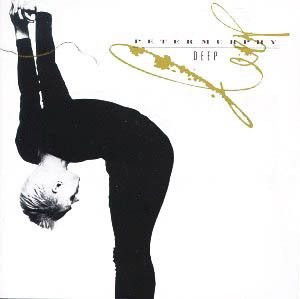
Released on Deep in 1989, the song became Peter Murphy’s biggest solo hit after his years fronting Bauhaus. Murphy co-wrote it with Paul Statham, and its success helped define his post-Bauhaus identity as something more melodic and expansive than pure goth rock. Those are factual points commonly noted in standard discographies and reference sources.
A Beautiful Force With Teeth
At the center of the song is a paradox. The speaker describes something that brings comfort and motion, almost like a life force. Early images suggest warmth and renewal, with morning light and closeness. But that comfort quickly turns unstable.
The lyrics say this force can lift me up
and keep someone moving, yet it can also spit you out
. In plain terms, the song is about an attraction that empowers a person while also breaking them down.
Interpretation: That attraction could be love, desire, artistic inspiration, ambition, or even fame itself. The song never names it directly, which gives it lasting mystery.

Watch the official Cuts You Up
music video
The Narrator Walks a Thin Line
One reason the song feels so compelling is that it does not sound like a simple warning. The speaker is not standing outside the experience. They are inside it, pulled forward by it.
That is clear in phrases like you know the way
and the line is thin
. The song suggests a path that must be followed carefully. The listener hears someone who knows the risk but keeps going anyway.
This makes the emotional point sharper. The danger is not accidental. The speaker seems to accept that pain may be part of pursuit, whether the goal is love, transcendence, or self-discovery.
How the Verses Build the Theme
The song moves in a loose emotional sequence:
- It begins with intimacy and awakening.
- It shifts into warning, showing how this force tosses people around.
- It becomes almost instructional, saying one must be honest and disciplined to follow it.
- It returns to the cost: elevation and injury arrive together.
That middle section is especially important. When the lyrics mention being clean
and making mistakes one truly means, the idea seems to be that real growth requires sincerity. Empty ambition will not work.
Interpretation: This can sound spiritual. Murphy often used grand, symbolic language, and here the song may describe a kind of initiation. The person must approach the experience with humility, not ego.
The Chorus Turns Ecstasy Into Wound
The hook is simple, but it carries the whole song. The title phrase, cuts you up
, gives the experience a physical edge. This is not mild sadness or ordinary heartbreak. It feels invasive, slicing through a person’s defenses.
Yet the song never presents that wound as meaningless. The lyrics connect pain to height, motion, and altered feeling. The same force that harms also intensifies life. That is the key to the chorus: the song is about emotional experiences so powerful that they transform the self.
It cuts you up
And takes you high
That brief pair of lines explains why the song remains so memorable. It captures a truth many listeners recognize: the things that make people feel most alive often carry the greatest risk.
Symbols That Keep Shifting
Murphy fills the song with changing images rather than fixed plot points. Morning light suggests hope. Wind suggests distance and calling. Gold suggests temptation, value, and illusion all at once.
When the lyrics ask whether something is honey or gold, the song seems to question appearances. Is this force nourishing, or is it just shiny and seductive? That uncertainty deepens the song’s meaning.
There is also constant movement: walking, spinning, twisting, turning. Nothing stays stable. That fits a song about a desire that never settles into safety.
Why the Sound Matters So Much
The arrangement helps explain the meaning of Cuts You Up Peter Murphy as much as the lyrics do. The track is rock-based, but it feels airy and grand rather than heavy. Its rhythm pushes forward while the melodic textures create a floating sensation.
That combination mirrors the words. The song feels uplifting and uneasy at the same time. Murphy’s vocal delivery is crucial too. They sing with a dramatic calm that suggests knowledge, not panic. Even when the lyrics describe emotional damage, the voice sounds almost entranced.
This is why the song does not feel like a breakup rant or a moral lesson. It feels more like a confession from someone who has learned that ecstasy and harm can live together.
The Strongest Readings of the Song
Two readings make the most sense.
A song about love and desire
The most direct interpretation is romantic obsession. The beloved brings light, motion, and intensity, but the relationship also destabilizes the speaker.
A song about ambition or transcendence
A broader interpretation is that the song describes chasing something bigger than the self—art, success, spiritual meaning, or emotional extremes. That pursuit can elevate a person, but it can also consume them.
Both readings work because the song stays abstract enough to hold them at once.
Why It Still Connects
What makes "Cuts You Up" endure is its honesty about contradiction. Many songs choose between pleasure and pain. This one insists they are often mixed together.
That is the heart of the meaning of Cuts You Up Peter Murphy: some forces guide people forward, reveal them to themselves, and still leave scars. The song does not solve that tension. It simply names it in a way that feels true.
Disclaimer: This interpretation is based on the lyrics, recording context, and common critical readings. As with most poetic songs, meaning can vary from listener to listener.








