Why "Brand New Second Hand" Hits So Hard
The meaning of Brand New Second Hand Peter Tosh starts with a blunt insult, but the song reaches beyond simple mockery. On the surface, Tosh is calling out a woman he sees as fake, flashy, and dishonest. Under that, he is attacking a wider kind of performance: the gap between appearance and character.
"Brand New Second Hand" - Peter Tosh
You are somebody
But I don't no say
Loading lyrics...
Unable to load lyrics
We're unable to display the lyrics at this time. Please try again later.
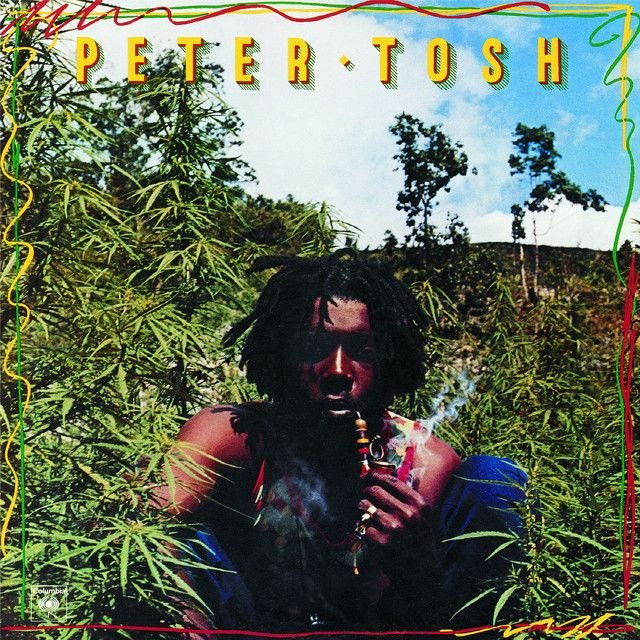
Released on Legalize It in 1976, the song sits inside Peter Tosh's first major solo statement after leaving the Wailers. Critics have described that album as one of the great reggae records of the 1970s, full of conviction, strong melodies, and bold stylistic choices. In that setting, this track works as a sharp social sketch rather than a love song gone wrong.
The Core Idea Beneath the Insult
At the center of the song is a speaker who believes someone is selling an image instead of showing real substance. Early lines accuse the woman of acting important and using style as a mask. When Tosh points to a painted face
, the point is not makeup by itself. It is the idea of presentation covering emptiness.
The title phrase brand new second hand
is the song's key paradox. Something cannot really be both new and used at the same time. That contradiction becomes Tosh's main weapon. He is saying this person tries to look fresh and desirable, yet carries a reputation that, in his view, cannot be hidden.
Interpretation: the song is less about romance than exposure. Tosh frames the woman as someone trying to remake herself through clothes, attitude, and display, while the singer insists the past still shows.
Watch the official Brand New Second Hand
music video
A Harsh Portrait of Image and Status
One verse attacks the belief that clothing creates class. Tosh mocks the idea that wearing the right outfit can instantly make someone respectable. When he warns that glitter is gold
is a false belief, he uses a familiar proverb to reinforce the lesson: shine is not value.
That message links the song to a larger reggae tradition of moral commentary. Many reggae songs speak plainly about hypocrisy, pride, and social masks. Here, Tosh does it with humor and cruelty at once. The chorus is catchy, but the judgment in it is severe.
You think it's the dress you wear
That make you a lady
Those lines summarize the song's conflict. Tosh rejects outward status symbols and measures worth by conduct instead.
How the Story Builds Its Case
The lyrics move in steps, each one adding to the speaker's case against the woman:
- They say she acts important.
- They argue her beauty is a cover.
- They reject her attempt at social elevation.
- They claim her reputation is widely known.
By the time the song mentions Dick know 'bout you
, the point is not literal gossip alone. Tosh is creating the feeling of public exposure. In the song's world, secrets do not stay hidden. The community sees through the performance.
This is where the track gets uncomfortable for some listeners. Its language is intentionally shaming. It tries to strip power from someone by turning private history into public judgment. That harshness is part of the song's effect, but it also limits its sympathy.
Peter Tosh's Persona Matters Here
Artist context helps explain why the song sounds so unfiltered. Peter Tosh built his career on confrontation. After splitting from Bob Marley and Bunny Wailer in 1973, he developed a solo voice that was even more defiant, whether addressing religion, politics, police violence, or personal integrity. Reviews of Legalize It often praise that fearless stance and Tosh's commanding vocal presence.
That matters because "Brand New Second Hand" is not sung like a private complaint. It is delivered like a public calling-out. Tosh sounds amused, disgusted, and fully certain of his judgment. The performance makes the song feel less like heartbreak and more like a warning shot.
Why the Music Feels So Cutting
The production sharpens the lyric's bite. Legalize It blends Jamaican reggae with rock, blues, and soul touches, and commentators have noted that guitarist Donald Kinsey's riffs help define the sound of both "No Sympathy" and "Brand New Second Hand." That blues edge gives this track a sly, needling quality.
Instead of softening the lyric, the groove makes it more memorable. The rhythm rolls along with ease, while Tosh's voice keeps pressing the accusation. That contrast matters: the music is relaxed, but the message is not. The result is a song that sounds almost playful while delivering a cutting moral verdict.
A Song of Its Time, and a Complicated One Now
For modern listeners in the United States, the song can land two ways at once. First, it works as a critique of shallow image-making. That part still feels familiar in any era shaped by status, fashion, and performance. Second, it reflects older gender attitudes that judge women more harshly than men for sexuality and reputation.
Interpretation: both readings can be true. The song's attack on fakery is clear, but so is its reliance on humiliation. That tension is part of why the track still stands out. It is catchy, vivid, and musically strong, yet morally abrasive.
The Lasting Meaning of the Song
So what is the meaning of Brand New Second Hand Peter Tosh? It is a reggae put-down aimed at someone the singer sees as fake, socially ambitious, and unable to hide who they really are. More broadly, it is a song about the failure of image to erase character.
Its staying power comes from that central contradiction in the title. Tosh compresses his whole argument into one phrase: you can dress up the surface, but you cannot make something new just by making it look new.
That said, any reading of a song involves interpretation. This article offers a grounded view based on the lyrics, Peter Tosh's artistic context, and the track's musical style, but listeners may hear its message differently.







