Why “Legalize It” Still Sounds Defiant
Peter Tosh did not hide the point of this song. The meaning of Legalize It Peter Tosh starts with a direct demand: stop treating cannabis as a crime and stop shaming the people connected to it. But the song lasts because it is more than a slogan. It turns a political argument into a calm, catchy reggae statement that feels both playful and confrontational.
"Legalize It" - Peter Tosh
Don't criticize it
Legalize it, yeah yeah
Loading lyrics...
Unable to load lyrics
We're unable to display the lyrics at this time. Please try again later.
A Protest Song Disguised as an Easy Groove
On the surface, Tosh repeats a simple hook built around Legalize it
and don’t criticize it
. He is not being subtle. They use repetition like a rally chant, making the song easy to remember and impossible to mistake.
Factually, the track appears on Tosh’s debut solo album Legalize It, released in 1976, and the album was produced by Tosh himself. It was recorded in Kingston after his time with the Wailers, helping define his solo identity as more openly militant and political than many mainstream reggae releases of the era. The title track was reportedly banned in Jamaica after its release, a move that only increased its profile and helped push Tosh toward international fame.
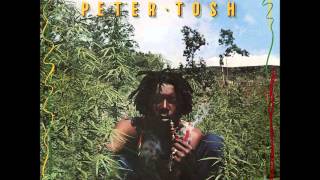
Watch the official Legalize It
music video
What Tosh Is Really Arguing
The song’s main claim is that cannabis use is already common, so criminalizing it is both unfair and hypocritical. Tosh supports that idea by naming many groups of people who use it, from artists to professionals. When he says singers smoke it
and later includes doctors, judges, and lawyers, he is flattening social rank. The point is simple: society condemns something many parts of society already accept in private.
That makes the song feel satirical as well as serious. Tosh is exposing double standards. He is saying the law is not just harsh; it is dishonest.
The Chorus Turns Politics Into Pop
The chorus is the engine of the song. Its repeated phrasing works like a campaign message, but it is delivered with a laid-back swing rather than angry shouting. That contrast matters.
Interpretation: the relaxed tone suggests confidence. Tosh does not sound unsure or defensive. They sound certain that history will move their way. That confidence becomes even clearer in the boast I will advertise it
, which turns activism into public promotion. He is not asking for quiet tolerance. He is promising visibility.
A Song About More Than One Plant
The lyrics also name the plant in several ways, including marijuana
and ganja
. That naming does two things at once. First, it shows the plant crossing languages, cultures, and social worlds. Second, it connects the song to Caribbean and Rastafarian speech without needing a long explanation.
Interpretation: by stacking up names, Tosh suggests that the plant is bigger than any one legal label. Laws may classify it one way, but culture already knows it in many forms.
He also mentions health benefits, presenting cannabis as useful rather than dangerous. Some of those claims reflect popular beliefs of the time more than settled medical consensus. Still, within the song, the effect is clear: Tosh is challenging the idea that the plant deserves automatic fear.
How the Sound Carries the Message
Musically, “Legalize It” is classic roots reggae: steady drums, deep bass, clipped guitar, and space in the arrangement. That spaciousness is important. Nothing feels rushed. The groove gives Tosh room to sound firm without over-singing.
The album’s personnel included major Jamaican players such as Aston Barrett and Robbie Shakespeare on bass-related roles across the sessions, Carlton Barrett and Carlton “Santa” Davis on drums, and backing vocals from figures including Rita Marley, Judy Mowatt, and Bunny Wailer. Those connections place Tosh inside a powerful reggae network even as he steps out as a solo artist.
Interpretation: the groove behaves like the argument itself. It is grounded, repetitive, and hard to push off course. Reggae’s pulse gives the protest patience.
The Politics Behind the Song
“Legalize It” was not created in a vacuum. Reports about the song and album note that Tosh wrote it partly in response to police victimization in Jamaica. That context sharpens the message. This is not only about personal freedom or recreational pleasure. It is also about state power, surveillance, and who gets targeted.
That is why the song can sound cheerful while carrying real anger underneath. Tosh’s delivery is warm, but the issue behind it is coercion. In that light, the track becomes a civil-liberties statement as much as a drug-policy one.
Why It Lasted
The song endured because it is specific and universal at the same time. It speaks plainly about cannabis, but it also speaks to a larger pattern: when laws punish ordinary behavior unevenly, music can turn dissent into something memorable.
Its legacy matches that reach. The album later earned platinum certification in the United States, and the title track remains one of Tosh’s signature songs. For many listeners, it is still the cleanest entry point into his worldview: blunt, rhythmic, rebellious, and unwilling to soften its politics.
The Takeaway That Still Lands
So what is the meaning of Legalize It Peter Tosh? At its core, it is a demand to end stigma and criminalization around cannabis. More deeply, it is a challenge to hypocritical authority.
Tosh makes that challenge feel inviting instead of academic. They wrap protest in groove, humor, and repetition, which is exactly why the song still sounds alive.
Legalize it
don’t criticize it
I will advertise it
That brief refrain says almost everything: policy, pride, and public defiance in one loop.
Disclaimer: This article offers informed interpretation based on the song, its historical context, and documented release information. Interpretations can vary from listener to listener.







