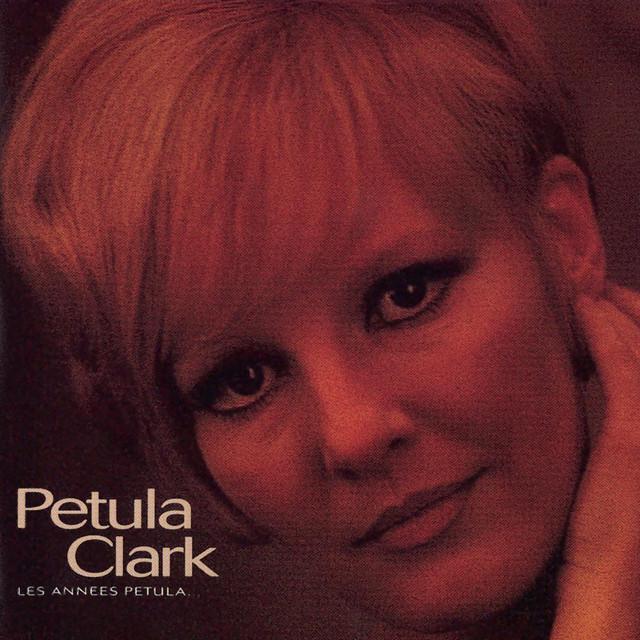
Downtown by Petula Clark
They know the timeless pull of a city at night: when stress piles up, the streets promise relief. That core idea sits at the heart of the meaning of Downtown Petula Clark, a pop classic that turns urban bustle into a gentle prescription for loneliness and worry.
"Downtown" - Petula Clark
You can always go
Downtown
Loading lyrics...
Unable to load lyrics
We're unable to display the lyrics at this time. Please try again later.
The Urban Cure Behind the Smile
At its core, the song offers practical comfort. If life feels heavy, the narrator suggests action—leave the quiet room, step outside, and let the city reset your mood. A line like When you're alone
sets the scene, but the advice is upbeat rather than pitying.
Interpretation: The city becomes a self-serve antidote. By choosing movement and noise over isolation, the listener swaps rumination for sensory balm. That’s why the repeated invitation to go “downtown” feels less like escapism and more like self-care.
Watch the official Downtown
music video
Who’s Talking, and Who Needs Comfort?
The narrator speaks directly to “you,” like a friend. They list small, doable options—walk the sidewalks, catch a film, hear music—and suggest that connection may follow. The promise that you might meet somebody kind
reframes downtown as a place of empathy, not just entertainment.
Clark briefly steps into the scene herself later, hinting she’ll meet you there. That shift turns the advice into community: not only can you go; you won’t go alone.
How the Story Unfolds, Beat by Beat
- The problem: the listener feels lonely or anxious.
- The plan: go to where the energy is—lights, sidewalks, cinema, music.
- The pivot: let the rhythms and crowds interrupt worry.
- The hope: human contact—someone kind—might appear.
- The close: the singer joins in, making the trip a shared vow.
Short images power each step: neon signs are pretty
paints the lure, while everything's waiting for you
turns the city into an open door.
What the Chorus Really Promises
The chorus reframes the verses’ advice as guaranteed relief. It’s the emotional payoff and the memory hook.
The lights are much brighter there You can forget all your troubles, forget all your cares
Interpretation: Brightness symbolizes attention training. By flooding the senses, downtown lets the mind release its grip on worry—at least for tonight.
Symbols, Sounds, and That Big-City Glow
The imagery is simple and vivid: sidewalks, cinema marquees, and a traffic “orchestra.” Even the reference to a gentle bossa nova
signals sway and ease rather than frenzy. The city is noisy, yes, but the song recasts that noise as music—patterned, welcoming, human.
Production deepens the meaning. Recorded with a large live ensemble at Pye Studios, Tony Hatch’s arrangement fuses strings, brass, woodwinds, rhythm section, and backing vocals into a punchy, modern sheen. His goal was to make a big orchestra feel like a pop/rock band, bridging generations. That blend mirrors the lyric’s mission: take something overwhelming (a metropolis) and shape it into comfort.
Details matter. The snappy tempo, crisp drum accents, and clarion brass hits create lift on each refrain. Clark’s clear, buoyant vocal rides above it all, sounding reassuring but never saccharine—more companion than cheerleader.
Backstory and Cultural Footprint
Hatch conceived the melody after soaking in New York’s theater districts; the neon and foot traffic gave him the title and tune. He finished the lyric in time for an October 1964 session, and Clark’s recording became a global hit. In the US, it reached No. 1 on the Billboard Hot 100 in January 1965 and earned a Grammy for Best Rock and Roll Recording. It also made Clark the first UK female artist of the rock era to top the US chart.
The song’s longevity comes from its universal fix: when the room feels too small, go where life is. Covers by artists from Frank Sinatra to Dolly Parton, and later revivals like “Downtown ’88,” show how flexible that fix can sound—brassy, country-tinged, or dance-leaning—without losing the central promise.
Two Readings That Can Both Be True
- Interpretation: Pure uplift. The city is a tonic. People, movies, and music reroute mood, no deeper strings attached.
- Interpretation: Comfort with a shadow. The cure works, but only for a night. The verses’ quiet moments and the tender wish to find
somebody kind
hint at the loneliness that sparked the trip in the first place.
Both readings fit because the record balances sparkle and warmth. It celebrates distraction while admitting why we need it.
Takeaway
“Downtown” isn’t just about place; it’s about agency. The song says you can choose light, sound, and company when solitude turns heavy—and that a city’s open door is worth walking through.
Disclaimer: Song meanings are subjective. This analysis reflects informed interpretation alongside reported context and public reception.








