How 'Cirrus Minor' Turns Calm Into Cosmic Drift
The meaning of Cirrus Minor Pink Floyd becomes clearer when they listen to how gently the song moves from earthbound images into something stranger. It starts in a quiet natural setting, then slowly slips into a dream. That shift is the key to the track.
"Cirrus Minor" - Pink Floyd
Lazing in the haze of midday
Laughing in the grasses and the graze
Loading lyrics...
Unable to load lyrics
We're unable to display the lyrics at this time. Please try again later.
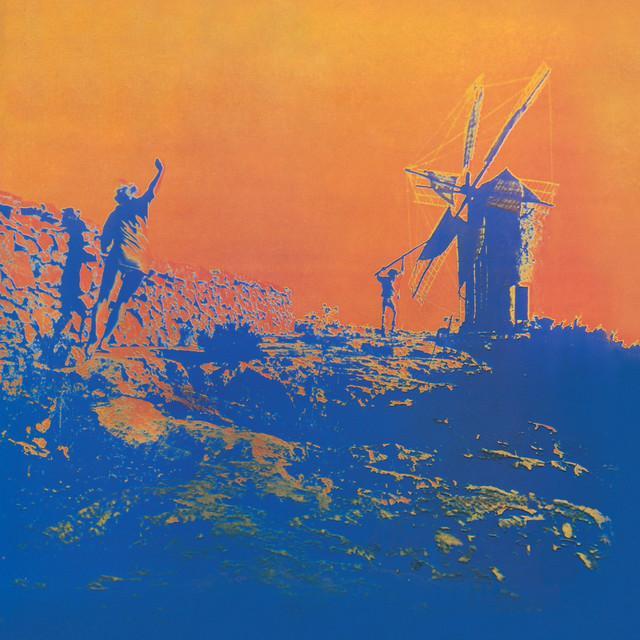
Released on Soundtrack from the Film More in 1969, the song opens Pink Floyd’s soundtrack album and sets a reflective, slightly hallucinatory mood. Reference sources credit Roger Waters as the writer, with David Gilmour singing and playing acoustic guitar, and Richard Wright shaping the organ-heavy atmosphere. It was recorded in March 1969 and released that summer in the UK and US. Factually, it is often described as psychedelic folk, space rock, and ambient in style.
A pastoral opening with a hidden sadness
At first, the lyrics seem simple. They place the listener in a still landscape: a churchyard, a river, midday haze, grasses, birds, and water. The images feel peaceful, but they are not fully carefree. A churchyard already hints at death, memory, or passing time.
That is why the song’s beauty feels fragile. When they hear the phrase churchyard by a river
, they are not just hearing scenery. They are hearing a place where life, time, and loss meet.
The same is true of the bird imagery. The line Yellow bird
sounds bright and light, yet the song quickly reminds them that this beauty will not stay. The bird sings, flies, laughs, and leaves. In other words, the song presents joy as something brief.
Watch the official Cirrus Minor
music video
What the lyrics seem to be saying
Interpretation: The most convincing reading is that the song is about impermanence. Everything in it moves away: birds, water, sunlight, even stable reality. The speaker does not fight that movement. They simply observe it.
That calm tone matters. Pink Floyd do not frame the passing of beauty as a dramatic tragedy. Instead, they treat it like part of nature. The willow bends, the water moves, and the bird disappears because that is what living things do.
When the song reaches trip to Cirrus Minor
, the language leaves ordinary nature and enters a more visionary space. This may suggest a mental journey, a psychedelic drift, or a poetic escape from the physical world. The title itself points upward, toward sky and cloud, but the destination feels more emotional than geographical.
From riverbank to dreamscape
The song’s small narrative can be followed in three loose steps:
- They begin in a pastoral scene filled with sunlight and movement.
- They notice that beauty is temporary and already slipping away.
- They rise into surreal imagery, including
crater in the sun
andmoonlight later
.
That last move is important. The song does not stay in realism. It lifts into impossible images, which makes the ending feel less like description and more like altered consciousness.
Interpretation: Some listeners hear this as a soft comedown from innocence into cosmic awareness. Others hear it as a drug-influenced reverie, which fits the More film’s themes. Either way, the song moves from observation to disorientation.
Why the sound matters as much as the words
A big part of the meaning of Cirrus Minor Pink Floyd comes from the arrangement. According to standard reference details, the recording features acoustic guitar, double-tracked vocals, organ, birdsong effects, and notably no drums. That absence removes any grounded pulse. The song seems to float.
The opening bird sounds are especially effective. Before a lyric even arrives, the track builds a world. Then Gilmour’s soft vocal enters without force, as if they are stepping into an already-living landscape.
The organ coda is where the song becomes truly otherworldly. Richard Wright’s Hammond and Farfisa textures stretch the ending into a hovering, echoing space. The result feels stately but uncanny, almost like a doorway opening after the words stop. The listener is left inside atmosphere rather than story.
The churchyard, willow, river, and sky
Pink Floyd pack the song with old, symbolic images:
- Churchyard: mortality, memory, silence
- River: time, movement, change
- Willow: grief, softness, surrender
- Bird: freedom, beauty, fragility
- Sky imagery: transcendence, imagination, altered perception
These symbols are not explained directly. That is part of the song’s appeal. They leave space for the listener to feel the mood before they pin down an exact meaning.
A bridge between early Floyd eras
Historically, this track also matters because it shows Pink Floyd in transition. The Syd Barrett era had already ended, and the band were still shaping the atmospheric style that would later define parts of their 1970s work. More let them experiment with mood pieces, and “Cirrus Minor” is one of the clearest examples.
It is more restrained than their louder psychedelic material, but it is not simple. Even the chord movement has an unsettled quality, helping the song sound beautiful and slightly off-balance at the same time. That tension supports the lyrics perfectly.
The lasting meaning of "Cirrus Minor"
In the end, the meaning of Cirrus Minor Pink Floyd lies in its quiet mix of peace and disappearance. The song watches the natural world, then slips beyond it. It suggests that beauty is real, but never permanent. It also suggests that losing oneself in sound, nature, or imagination can feel both comforting and strange.
That is why the track still lingers. It does not demand one fixed explanation. Instead, it creates a gentle passage from the visible world into a dream.
Disclaimer: This article separates factual background from interpretation. Because Pink Floyd’s lyrics are often open-ended, any reading of “Cirrus Minor” remains an informed interpretation rather than a single confirmed meaning.








