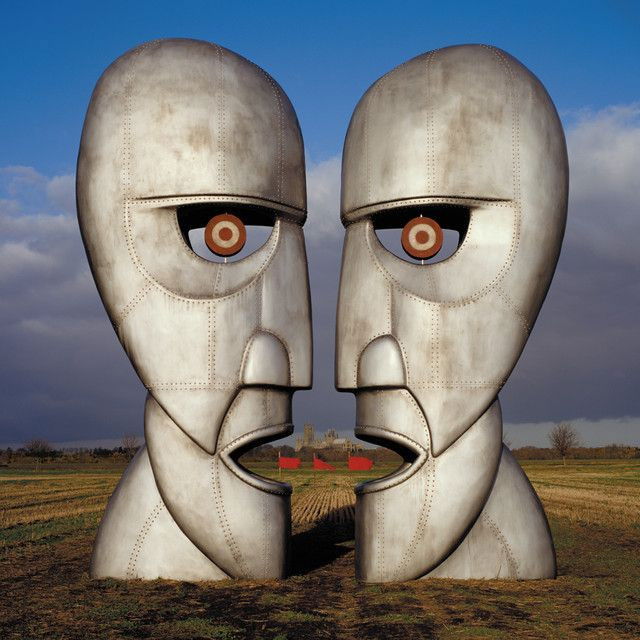
Why 'High Hopes' Still Hurts
The meaning of High Hopes Pink Floyd comes down to one powerful tension: they remember youth as magical, but they know they cannot go back. Closing The Division Bell, the song works as both personal memoir and emotional farewell. Factually, it was written by David Gilmour and Polly Samson, released as a single in 1994, and produced by Gilmour with Bob Ezrin.
"High Hopes" - Pink Floyd
In a world of magnets and miracles
Our thoughts strayed constantly and without boundary
Loading lyrics...
Unable to load lyrics
We're unable to display the lyrics at this time. Please try again later.
Even without long lyric quotes, the message is clear. The song looks at childhood freedom, old friendships, and the way ambition changes people. It is nostalgic, but not naive.
A Song About Youth Seen From Far Away
At its core, "High Hopes" is about distance. The speaker looks back at an earlier life and sees a world that felt bigger, brighter, and less limited. Short phrases like the grass was greener
and the light was brighter
show how memory softens the edges of the past.
This does not mean the past was perfect. Interpretation: the song suggests that what they miss is not just a place, but a state of mind. Youth felt open-ended, full of wonder, before adult pressure narrowed the path.
That reading fits the known background. Accounts summarized in reliable references describe the lyric as autobiographical from Gilmour's perspective, focused on his early years and leaving his hometown behind.

Watch the official High Hopes
music video
Cambridge, Memory, and the Song's Real-World Roots
Part of what makes the song so moving is its local detail. References to roads, a causeway, and the Cut
point listeners toward Cambridge-area imagery. The music video, directed by Storm Thorgerson, deepens that connection with bicycles, college symbols, and East England landscapes.
These facts matter because they keep the song grounded. It is not vague nostalgia alone. It is built from real places, which makes the emotions feel earned.
Interpretation: once the setting is this specific, the song becomes more universal. Their private memories open into a common feeling: almost everyone has a version of a hometown they carry inside them.
The Chorus Turns Memory Into Myth
The chorus is simple, and that simplicity is the point. Instead of telling a long story, it stacks glowing comparisons: brighter light, sweeter taste, and nights full of wonder. The result is less like a diary entry and more like a flash of feeling.
The grass was greener
The light was brighter
With friends surrounded
The nights of wonder
That brief passage shows how friendship shapes memory. They do not just miss being young; they miss who they were with. The emotional center is community, not only innocence.
Ambition Is the Song's Quiet Villain
The second half of the song complicates the warm memories. It admits that adulthood brought striving, hunger, and repeated searching. A phrase like desire and ambition
points to lives driven forward, but not fully satisfied.
This is why the song never becomes sentimental fluff. It understands that success can still leave a person restless. Interpretation: the real loss is not fame or failure, but the fading of unguarded wonder.
That idea also helps explain why many fans hear the song as partly about Pink Floyd itself. Whether or not every line is meant that way, the track sounds like artists measuring what achievement gave them and what it took away.
How the Music Carries the Meaning
The arrangement is essential to the meaning of High Hopes Pink Floyd. The church bell creates a grave, ceremonial opening, giving the song the feeling of a memory being summoned. The piece is mostly in C minor, with a later lift for the guitar passage, which adds emotional release.
Gilmour's vocal is restrained rather than dramatic. That choice makes the song feel reflective, almost conversational. Then the guitars do what the words cannot: the lap steel solo rises and aches, turning longing into sound.
The orchestration and wide production also matter. They make the song feel large, almost cathedral-like, as if private memory has been expanded into something public and lasting.
More Than Nostalgia: A Closing Statement
Because it ends The Division Bell, "High Hopes" carries extra weight. Many listeners treat it as an elegy for a period of life, and some hear it as a farewell to an era of Pink Floyd. Chart-wise, it also had real reach, including a top-10 result on Billboard's Album Rock Tracks and strong performance in France.
There is also a subtle thread of self-reference. The closing image of an endless river
echoes earlier Pink Floyd imagery and later inspired the title of the band's 2014 album The Endless River. That makes the ending feel less like a stop and more like a distant continuation.
What "High Hopes" Ultimately Means
The best way to understand the meaning of High Hopes Pink Floyd is to hear it as a song about what survives time. Places change. Friends scatter. Ambition keeps pulling people onward. Yet the mind still turns toward its own horizon.
Interpretation: the song argues that maturity is not the death of hope, but its transformation. High hopes do not disappear. They become memory, regret, gratitude, and the urge to keep looking ahead.
That is why the song still lands so hard. It is not only about the past being better. It is about how people live with the past once they know it cannot return.
Disclaimer: This interpretation separates documented facts from informed reading. Like many Pink Floyd songs, "High Hopes" supports more than one valid meaning.








