Why 'Baby Shark' Works Beyond the Meme
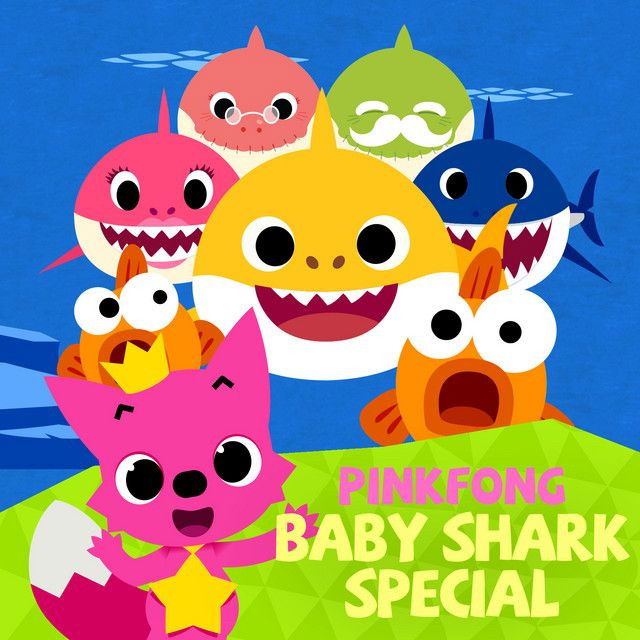
The meaning of Baby Shark Pinkfong is easy to miss because the song feels so simple. It is a preschool chant, a dance routine, and a viral earworm all at once. But under that bright surface, Pinkfong built a mini story about family, action, and safe resolution.
"Baby Shark" - Pinkfong
Baby shark, doo doo doo doo doo doo
Baby shark, doo doo doo doo doo doo
Loading lyrics...
Unable to load lyrics
We're unable to display the lyrics at this time. Please try again later.
The result is one of the biggest children’s songs ever released. Pinkfong’s “Baby Shark Dance” became the most-viewed video on YouTube after first appearing in 2016, and it later passed 10 billion views, according to widely reported platform milestones and reference summaries. That scale matters because it shows how a tiny song can become a global ritual, not just a passing novelty.
A Tiny Story Hidden in a Repetitive Hook
On the page, the lyrics look almost too basic to analyze. The song introduces family members one by one: Baby shark
, then mother, father, grandmother, and grandfather. After that, the words move into action with Let’s go hunt
, then tension with Run away
, and finally relief in Safe at last
and It’s the end
.
That sequence gives children a complete narrative arc. First comes introduction, then motion, then danger, then escape, then closure. They do not need detailed language because the structure itself carries the story.
Interpretation: This is why the song lands so strongly with very young listeners. It offers suspense without confusion. They can feel the shift from fun to chase to safety in under two minutes.
Watch the official Baby Shark
music video
The Real Theme Is Family, Not Fear
Despite the shark image, Pinkfong’s version is not mainly about predators. It is about family order and recognition. Each member gets named in turn, making the song feel like a game of identification.
That matters in children’s music. Repeating family roles helps kids learn categories, relationships, and sequence. The shark family becomes a cartoon mirror of a human family, only with a more exciting setting.
Older campfire forms of “Baby Shark” were often darker and rougher, with more aggressive or spooky details in some versions. Pinkfong’s adaptation smoothed those edges into a safer preschool experience. Reports on the song’s folk roots describe it as a long-running oral tradition before Pinkfong turned it into a polished animated brand.
Why the Sound Sells the Meaning
The production is a huge part of the song’s meaning. The beat is quick, the vocals are bright, and the arrangement leaves plenty of room for claps, motions, and call-and-response. Rather than sounding like a lullaby, it sounds like a game already in motion.
That is important because the song is not asking children to sit and reflect. It invites them to perform it. The repeated “doo” syllables act like percussion as much as language, making the track feel physical.
Movement Is Built Into the Music
Pinkfong’s version became tied to simple hand choreography, which helped it spread across YouTube and social media. The song’s rhythm is steady enough for very young kids to copy, while the changing family roles keep the actions from feeling static.
Interpretation: In this sense, the meaning of Baby Shark Pinkfong is partly bodily. Children do not only hear the song; they act it out. That makes the family story feel immediate and memorable.
From Camp Chant to Global Brand
The factual history adds another layer to the song’s meaning. “Baby Shark” did not begin with Pinkfong. It comes from 20th-century camp and singalong traditions, where its simple pattern made it easy to pass from group to group. Pinkfong’s major contribution was packaging that folk material for the digital era.
Their 2015 and 2016 uploads transformed the chant into a highly visual, brightly branded product aimed at preschool families. That strategy worked on an enormous scale. The song reached the Billboard Hot 100 in the United States and became a staple far beyond children’s rooms, showing up in sports arenas, TV, and internet culture.
This wide reception helps explain why adults know it too. It is not just a nursery song; it became a shared pop-culture object.
The Chase Scene Gives the Song Its Shape
Without the final action lines, the song would just be a list of shark relatives. The chase section gives it momentum and emotional payoff.
Run away
Safe at last
It’s the end
Those brief turns matter because they reassure the listener. The song brushes against danger, but it does not stay there. It ends with safety and closure, which is exactly the kind of emotional design that works in early childhood storytelling.
Why It Connected So Deeply
Several elements made the song last:
- a folk-style melody simple enough to memorize fast
- repetitive language children can join immediately
- clear family roles
- mild suspense with a happy resolution
- strong visual branding and dance motions
That mix helps explain why the song became useful in so many settings, from preschool entertainment to sports anthems and internet memes. Its meaning is flexible because its structure is so simple.
The Best Way to Read "Baby Shark"
The strongest reading is also the most straightforward one: Pinkfong turned a camp-style chant into a playful family adventure with just enough tension to feel exciting. The meaning of Baby Shark Pinkfong lies in how it teaches sequence, invites movement, and resolves fear with safety.
For children, it is a game. For adults, it is a lesson in how repetition, story shape, and smart production can turn a tiny lyric into a worldwide phenomenon.
Disclaimer: Song meaning can be subjective. This article separates factual background from interpretation, and some listeners may hear the song differently.









