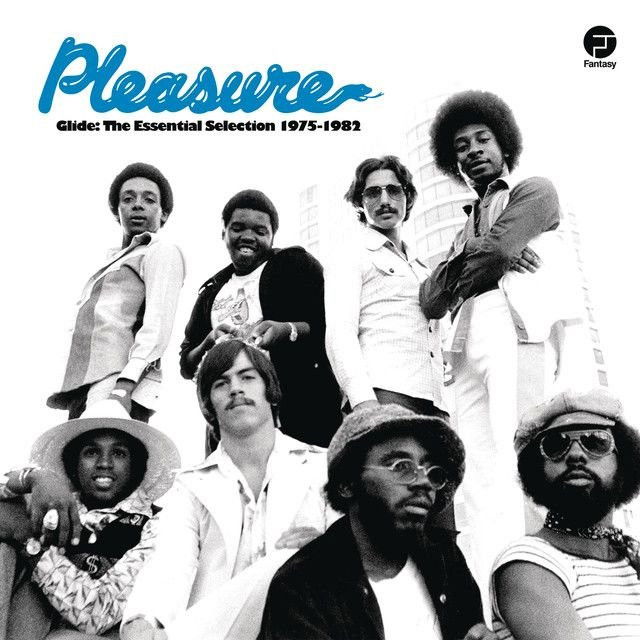
Glide by Pleasure
Why This Small Song Feels So Big
The meaning of Glide Pleasure comes into focus through a simple contrast: everything goes wrong, but the song refuses panic. In a few quick lines, the narrator faces one setback after another. The car dies, the bus fails, and even the cab becomes a threat. Yet the chorus answers that chain of trouble with a soft command: keep moving.
"Glide" - Pleasure
Check past two, reserves won't last
Caught the bus to go downtown
Loading lyrics...
Unable to load lyrics
We're unable to display the lyrics at this time. Please try again later.
That is what makes "Glide" memorable. It is not a song about winning. It is a song about posture. It suggests that life can be rude, random, and unfair, but a person can still choose not to be spiritually trapped by it.
Factual note: the song was written by Shuggie Otis, the influential singer, songwriter, and multi-instrumentalist best known for Inspiration Information and for writing "Strawberry Letter 23," later made famous by The Brothers Johnson. That credit is widely documented in major discographies and reference sources, including AllMusic and Discogs.

Watch the official Glide
music video
A Story Built From Everyday Disaster
The verse reads almost like a joke with terrible timing. First comes Car won't start
. Then the gas is gone. Then public transit fails. Then the cab driver wants money. Each detail is ordinary enough to feel believable, and that matters.
The song does not describe a giant tragedy. It describes the kind of day that makes people feel cursed. That choice gives the song its power. Most listeners know the feeling of watching one inconvenience turn into five.
The Verse Moves Like a Comic Strip
There is a loose, fast sequence to the narrative:
- A private plan falls apart.
- A public solution also fails.
- A final backup becomes dangerous.
- The chorus arrives with emotional advice.
This structure makes the song feel like a miniature survival lesson. The verse says, “Here is chaos.” The chorus says, “Do not let chaos define the rest of the day.”
The Chorus Turns Frustration Into Philosophy
The key line is the title phrase, Glide, glide on by
. Before and after that phrase, the song tells the listener not to let trouble keep them behind. In plain language, the chorus argues for grace under pressure.
This is where the meaning of Glide Pleasure becomes larger than the plot. The song is not really about transportation problems. It is about emotional momentum. To “glide” is not just to move. It is to move without becoming heavy with anger.
Don't let that keep you behind
Glide, glide on by
That short passage contains the whole thesis. Bad events happen, but they do not have to become identity. The chorus asks for flexibility, not denial.
What “The Next Time You Blow Your Mind” Might Mean
One line opens the song up beyond its literal story: blow your mind
. Because the phrase is broad, it allows more than one reading.
Interpretation: It could mean losing perspective in a stressful moment. In that reading, the song is about not letting panic make a hard day worse.
Interpretation: It could also hint at altered consciousness or overload, which would fit the dreamy, slippery feel of 1970s soul and psychedelic funk. If so, the chorus becomes a warning about staying centered when the world or the self starts spinning.
Either way, the line widens the song from daily nuisance to mental state. It suggests that “gliding” is not just physical movement through a city. It is mental movement through confusion.
Sound and Mood: Why the Message Lands
Pleasure were known as a funk, soul, and jazz-fusion group, a reputation reflected in standard band histories and catalog notes such as AllMusic's artist overview. That background helps explain why "Glide" feels so smooth even when the lyrics are tense.
The groove does important meaning-work. Instead of sounding frantic, the arrangement feels sleek, buoyant, and controlled. That creates a productive tension: the words describe collapse, while the music models composure.
Production as Emotional Counterweight
The likely effect of the instrumentation is central to the song's appeal:
- A steady rhythm suggests forward motion.
- Warm keyboards and polished funk textures soften the bad news.
- Repetition in the hook turns advice into mantra.
This is why the chorus does not sound preachy. It sounds lived-in. The band do not lecture the listener; they demonstrate a way of carrying stress.
Artist Context Matters Here
Because Shuggie Otis wrote the song, it also carries some of his signature qualities: compact storytelling, melodic ease, and a mix of street-level realism with hazy cool. He often worked in spaces where soul, funk, and psychedelia met, and "Glide" fits that overlap well.
Pleasure's performance adds another layer. Their style often balanced technical skill with relaxed flow. That combination is perfect for a song whose main message is resilience without hardness.
In other words, the writing says “keep going,” and the performance shows how that might feel.
The Best Way to Read the Song Today
For modern listeners, the meaning of Glide Pleasure is still fresh because the problem it names is timeless. People cannot control every delay, setback, or petty disaster. They can control whether those moments harden them.
Interpretation: The song's deepest idea is that dignity can be quiet. There is no revenge fantasy here. No big breakthrough. Just the choice to continue with style.
That is why lines like Don't let that keep you behind
and downtown bound
stay with people. One phrase captures the trap of circumstance; the other offers a way through it.
Final Take: A Funk Lesson in Resilience
"Glide" turns a run of bad luck into a philosophy of motion. Its verse is specific, funny, and tense. Its chorus is gentle but firm. Together, they say that setbacks are real, but they do not deserve the final word.
That balance is the song's quiet brilliance. It does not ask listeners to pretend life is easy. It asks them to stay light on their feet when it is not.
Disclaimer: This interpretation is based on the lyrics, performance, and available song context. As with any song, listeners may hear meanings that differ from this reading.







