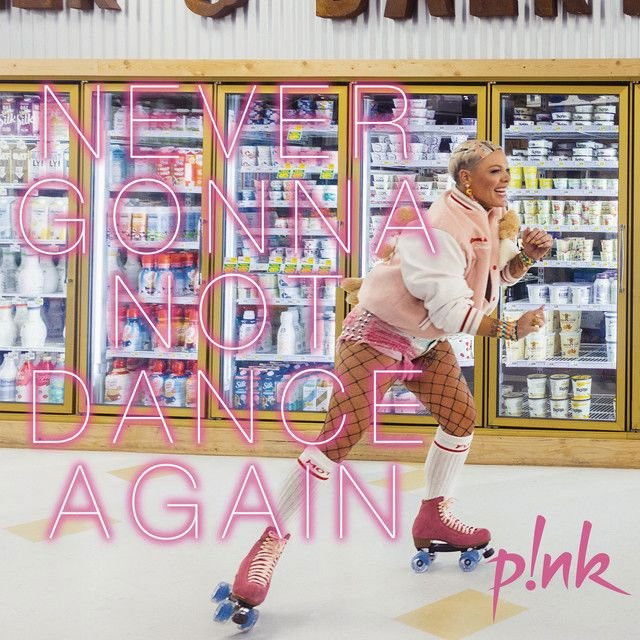
Never Gonna Not Dance Again by P!nk
P!nk’s single is a bright, stubborn promise to keep moving when life says slow down. The meaning of Never Gonna Not Dance Again P!nk fans look for isn’t hidden; it’s loud on purpose. This is joy used as armor, humor used as fuel, and rhythm used as a plan.
"Never Gonna Not Dance Again" - P!nk
You could take all that I got, for once I wouldn't start a fight
You could have my liquor, take my dinner, take my fun
Loading lyrics...
Unable to load lyrics
We're unable to display the lyrics at this time. Please try again later.
Joy as Rebellion: What the Promise Really Means
At its core, the song is about resilience through pleasure. The narrator lists all the things they could lose, then draws a line at joy. When they insist they won’t throw away my dancin' shoes
, they’re choosing a daily ritual that keeps them sane.
Interpretation: Dancing stands in for any life-affirming habit—working out, cooking, calling friends. The vow isn’t shallow. It says: even if the world feels shaky, the body can still choose delight.
Watch the official Never Gonna Not Dance Again
music video
Who’s Talking and Why It Matters
The voice is first-person and conversational, full of comic asides and gentle bravado. They admit to crying and fear, yet keep circling back to action: I just wanna pop and lock
. The mix of vulnerability and swagger fits P!nk’s persona—tough, playful, and radically honest.
Interpretation: The humor disarms shame. Jokes about stripping down, or wanting life to feel like a Whitney track, make their refusal to quit feel human, not preachy.
From Verse to Chorus: A Mini-Story in Motion
- The verses stack stress and loss, then mark a boundary with the shoes.
- The pre-chorus flirts with collapse—crying, screaming—but pivots to urgency:
we've already wasted enough time
. - The chorus doubles down with the title line
never gonna not dance again
, turning a tongue-twister into a mantra. - A late jolt arrives with the needle-scratch of
Why'd it stop?
, reminding listeners that joy needs guarding.
Why the Hook Hits So Hard
That double negative is clever and physical. Saying never gonna not dance again
forces the mouth to bounce, just like the beat. Lyrically, it pushes past simple optimism. It’s not “I will dance.” It’s “I refuse not to.” The stance is defensive and proud—exactly how holding onto happiness can feel.
Symbols You Can Hear and See
- Dancing shoes: A portable shield. As long as they’re on, joy is possible.
- Records and pop-and-lock: A DIY party. No nightclub required—agency lives at home.
- Whitney Houston nod: Big, glossy catharsis. Wanting life to be “a Whitney Houston song” says: give me warmth, key changes, and community.
- The time motif: Lines about wasted time and not getting younger press urgency without despair.
- The sudden silence:
Why'd it stop?
frames joy as breakable, which makes the beat’s return feel earned.
Production Choices That Amplify the Message
Fact: P!nk wrote the track with Max Martin and Shellback, hitmakers known for precision pop. Their production leans disco-pop: four-on-the-floor kick, rubbery bass, glittering synths, and handclaps. The arrangement leaves space for call-and-response vocals, so the chorus feels like a crowd promise, not just a solo line.
Interpretation: The roller-rink bounce and glossy harmonies match the theme. When the percussion drops out for a moment, it stages the fear of losing joy; when the beat slams back, it’s the decision to keep going.
Cultural Context: Dancing After Burnout
Listeners brought post-pandemic ears to this song. The pledge to move reads like a soft protest against isolation and doomscroll fatigue. The lyric about getting older reframes time anxiety as motivation. Instead of denial, the track offers a plan: music, friends, and a body in motion.
Alternative Readings Worth Considering
- Interpretation—Radical self-care: The narrator sets a boundary against perfectionism and productivity culture. Dancing becomes non-negotiable rest.
- Interpretation—Queer and community joy: The roller-rink/floor-filler feel and “Whitney” reference tap into decades of dancefloor sanctuary culture. The chorus works as a group chant that says: we’re still here.
Takeaway: Movement as a Life Stance
P!nk and her collaborators turn a joke-sounding title into a practical philosophy. The song argues that delight is not a guilty pleasure; it’s survival. When the track pauses and they ask Why'd it stop?
, the answer is clear: hit play again.
Disclaimer: Song meanings are interpretive. This analysis combines lyrical reading with publicly known context and production credits.







