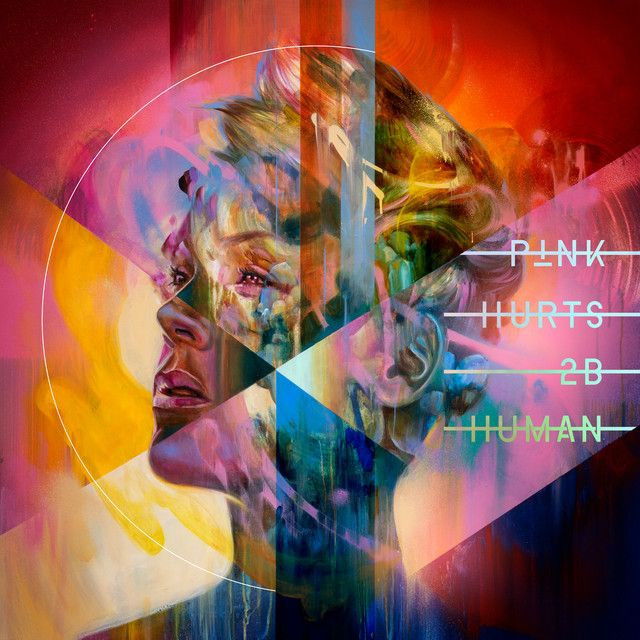
Why P!nk's 'Last Song' Cuts to the Truth
The meaning of The Last Song Of Your Life P!nk starts with a hard question: if someone had one final chance to speak from the soul, what would matter most? This song is not about spectacle. It is about dropping the mask before time runs out.
"The Last Song Of Your Life" - P!nk
What would you sing tonight?
If you had one chance left before we're old
Loading lyrics...
Unable to load lyrics
We're unable to display the lyrics at this time. Please try again later.
P!nk has long built songs around blunt honesty, whether in arena-pop anthems or more vulnerable ballads. That larger context matters. Across her catalog and on albums like Beautiful Trauma, they often return to themes of truth, damage, healing, and self-definition. This track fits that instinct, but in a softer, more searching way.
The Song's Big Idea Is Radical Honesty
The central message is simple: life is short, so people should stop performing and start telling the truth. The opening thought experiment asks what a person would sing if there were only one song left. From there, the lyrics move away from entertainment and toward confession.
When the singer asks for who someone is, not what they have practiced, the song draws a line between public identity and real identity. Phrases like one song left
and before we're old
frame the whole piece with urgency. Aging is not treated as tragic. Instead, it is treated as a wake-up call.
This is why the song feels tender rather than threatening. It does not shame the other person. It invites them back to themselves.
Watch the official The Last Song Of Your Life
music video
A Conversation, Not a Lecture
One of the smartest parts of the writing is its tone. The song could have sounded preachy, but it does not. It speaks person to person, almost like a late-night talk with someone they once knew well.
That warmth shows up in the repeated wish to see the real person again. The singer suggests that the truth is not missing forever; it has only been buried under roles, expectations, and social performance. The line about the real you
is the emotional center of the song.
What the Speaker Wants
The singer is not asking for résumé facts. They say status and connections are unimportant. Instead, they want the story behind the person: where they have been, what they learned, why they dance, and how they failed.
That matters because failure is treated as proof of humanity. The request to hear how you've been a fool
is not cruel. It means the singer values lived experience over polished image.
How the Verses Build the Theme
Each verse strips away another false layer. First, the song questions the idea of a final performance. Then it rejects rehearsed identity. After that, it dismisses wealth, contacts, and headlines.
This creates a pattern:
- Time is limited.
- Public image is empty.
- Truth is what lasts.
- Connection depends on honesty.
That pattern leads naturally to the chorus idea: if this really were the last chance, they are being asked to get it right
. In context, that does not mean perfection. It means sincerity.
It would be so good to see the real you again, it's been a long time, my friend
This is the article's one short multi-line quote, and it captures the song's emotional logic. The problem is not that the person became evil or unlovable. The problem is distance from the self.
Imagery of Music, Trees, and Secrets
The imagery is gentle and natural, which keeps the song from feeling too abstract. Music itself becomes a symbol for essence. A final song stands for a final truth. Singing is not just performance here; it is revelation.
There is also a peaceful image of lying under a tree and hearing secrets on a melody. Interpretation: this scene suggests safety. The truth comes out not under pressure, but in a quiet space where someone feels seen.
That is a key detail in the meaning of The Last Song Of Your Life P!nk. The song believes authenticity needs trust. People do not reveal themselves because they are forced. They reveal themselves because someone asks with care.
How P!nk's Style Shapes the Meaning
P!nk is known for direct songwriting and emotionally physical performance. Even when tracks are polished for radio, they often sound like they are reaching for a real human conversation. That history helps explain why these lyrics land.
In broader career context, songs such as What About Us show how they can turn repeated questions into big emotional statements. Here, the questioning works on a smaller scale. Instead of aiming at politics or a crowd, the lyrics aim at one soul.
Without firm public production details included here, the safest reading is that the song's power comes from its uncluttered language and likely intimate arrangement. The words are built around open questions, a memorable refrain, and images that feel close to the body and voice. That setup supports reflection more than drama.
Two Strong Interpretations
Interpretation 1: A plea to a loved one. The most direct reading is that one person is speaking to someone they love who has become guarded, famous, distracted, or emotionally unavailable.
Interpretation 2: A mirror held up to the self. The song can also be heard as self-address. In that version, the questions become a personal reckoning: who are they beneath the headlines, habits, and roles?
Both readings work because the lyrics stay broad enough to invite listeners in.
Why the Song Connects
The song touches a fear many people know: the fear of wasting life on performance. Its answer is hopeful. A person can still return to what is true.
That is why the song feels moving instead of grim. It imagines an ending in order to make honesty possible now.
Disclaimer: This interpretation is based on the lyrics provided and publicly available artist context. Song meaning can remain open, and different listeners may hear it differently.








