Why Poison’s “Life Goes On” Still Hurts
The meaning of Life Goes On Poison comes down to a simple but painful truth: time keeps moving even when the heart is stuck. Poison built the song like a power ballad, but beneath its glossy rock surface is a story about distance, grief, and emotional survival.
"Life Goes On" - Poison
No matter how hard I try
This feeling won't end
Loading lyrics...
Unable to load lyrics
We're unable to display the lyrics at this time. Please try again later.
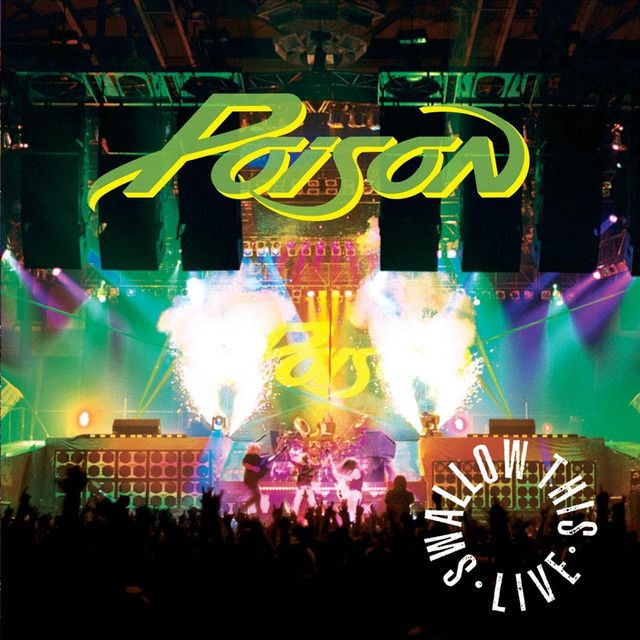
Released in April 1991 as a single from Flesh & Blood, the song reached No. 35 on the Billboard Hot 100 and showed Poison’s softer side without dropping their arena-rock identity. It is widely listed as a glam metal and hard rock ballad, produced by Bruce Fairbairn. Song credits commonly name Bret Michaels, Bobby Dall, Rikki Rockett, and C.C. DeVille as writers.
The Core Heartbreak Beneath the Hook
At the center of the song is someone trying to accept absence. The narrator cannot stop thinking about a person who is physically far away, and that distance feels almost unbearable. When they repeat life goes on
, it does not sound cheerful. It sounds like a sentence they have to keep telling themself in order to function.
That is what gives the song its emotional pull. The phrase suggests a fact of life, not a victory. The world keeps turning, day becomes night, and routine continues, but the singer is emotionally frozen.
Interpretation: Many listeners hear this as more than a standard separation song. It can be read as grief disguised as a love ballad, where the missing person is not just absent, but unreachable in a deeper sense.

Watch the official Life Goes On
music video
A Voice Trapped Between Memory and Motion
The verses show someone trying to stay steady while their mind keeps slipping back into memory. Early lines describe a feeling that returns no matter how hard they fight it. That pattern matters. This is not a new wound; it is a wound that keeps reopening.
The image of a lonely ride
is especially important. In rock ballads, driving often means freedom. Here, it means isolation. They are moving through space, but not moving on emotionally.
Another key detail is the way the song mixes comfort and fear. The narrator remembers intimacy, healing, and emotional honesty. But they also confess private insecurity, especially in the fear that the other person could love someone else. That makes the song feel human rather than idealized.
How the Chorus Turns Time Into the Villain
The chorus is the emotional engine of the song. It pairs need with helplessness: miles away
, and I need you
, and the sense that there is nothing I can do
. Instead of promising reunion, the hook admits powerlessness.
That is why the line about night stealing the day hits so hard. The lyric turns time into something active, almost like a thief. Hours disappear, but pain stays.
Interpretation: In this reading, the chorus is not only about romantic longing. It is also about the cruelty of ordinary time. Time is supposed to heal, yet here it only proves how little control the narrator has.
The Images That Carry the Song
Several repeated ideas help explain the meaning of Life Goes On Poison:
- Distance: The missing person is always out of reach.
- Motion: Riding, rolling time, and traveling suggest life continuing.
- Healing and wounds: Love has soothed pain before, but now pain has returned.
- Mind games: Memory becomes unreliable and intrusive.
- The last mile: The ending hints at endurance, loyalty, and emotional burden.
The song’s most revealing turn comes when the narrator says their mind plays tricks on them. That line moves the story beyond simple missing someone. Now the struggle is internal. Their memory is no longer a comfort; it is a source of torment.
Why the Song Feels Heavier Than a Typical Poison Ballad
Poison were often associated with flashy hooks, big choruses, and the party-ready side of late-1980s hard rock. But Flesh & Blood also made room for more reflective material. “Life Goes On” belongs to that side of the band.
Its arrangement helps sell that mood. The tempo is measured, the guitars are melodic rather than aggressive, and the vocal delivery leans into ache over swagger. As produced, it keeps the scale of a power ballad while leaving room for vulnerability.
That balance matters. If the track were too soft, it might lose tension. If it were too loud, it might bury the sadness. Instead, the music mirrors the lyric: still moving, still strong, but carrying visible hurt.
Real-World Context Changes the Reading
Context makes the song even more affecting. Song histories often note that C.C. DeVille first brought the song to the band, and that its lyric idea was connected to the death of a girlfriend who was killed in a bar fight. That background helps explain why the song reaches beyond ordinary absence and toward mourning.
Readers should treat that context carefully, because songs are rarely locked to one event forever. Still, it supports the idea that the track is about trying to find light after trauma, not just trying to survive a temporary breakup.
The Lasting Meaning
So what is the meaning of Life Goes On Poison? It is about the painful mismatch between outer life and inner life. The world keeps moving. The heart does not. The song captures that gap with unusual tenderness for a glam-metal band.
Its lasting power comes from that honesty. They do not promise easy healing. They simply show someone enduring the distance, repeating the title like a lifeline, and hoping motion itself might one day become peace.
Disclaimer: This interpretation is based on the lyrics, recording context, and commonly reported song history. As with most songs, listeners may hear different meanings in the same lines.