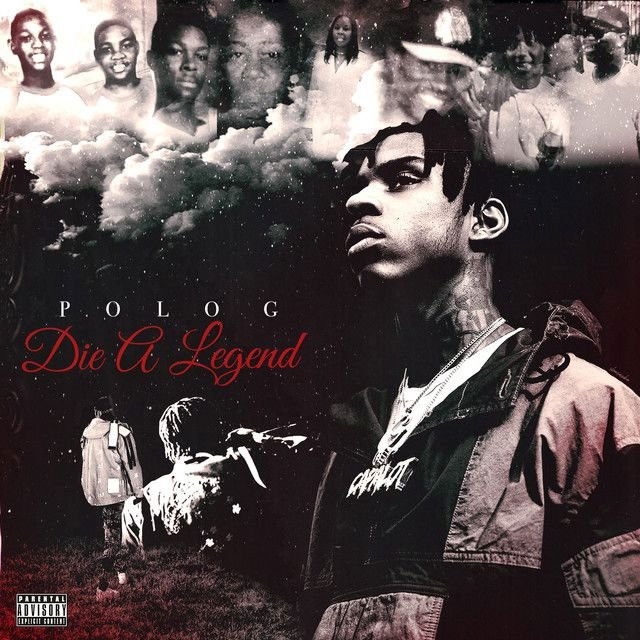
Picture This by Polo G
A success story shadowed by pain
The meaning of Picture This Polo G centers on a hard truth: success does not erase where someone came from. In this song, they look back at poverty, crime, fear, and grief while standing in a new life of fame and money. The title points to disbelief. They are not simply bragging; they are trying to process a future they once could not imagine.
"Picture This" - Polo G
Remember we was starvin', we was lurkin' for a lick
Now I'm on my way to stardom, hoes stoppin' me for pics
Loading lyrics...
Unable to load lyrics
We're unable to display the lyrics at this time. Please try again later.
That idea is summed up in the hook when Polo G says never picture this
. Before that line, he contrasts hunger and risk with luxury and recognition. The emotional point is not just “they made it.” It is that the path from survival to stardom feels unreal, even to the person living it.
Watch the official Picture This
music video
From the slums to stardom, step by step
The song moves like a short life story. First comes deprivation. Polo G recalls being broke, desperate, and willing to take dangerous chances. When he mentions starvin'
and takin' risks
, he sketches a world where crime feels tied to survival.
Then comes movement upward. Cars, wealth, and public attention enter the picture, but they do not arrive as simple rewards. They are framed as shocking symbols of distance from the past. A luxury car in Calabasas matters because it is the opposite of what seemed possible in the streets.
Finally, the song reveals the emotional cost of that rise. They admit that the pain is deeper than it looks and that music has become a container for feelings they cannot easily say out loud. In that sense, the song is part testimony and part self-therapy.
Why the chorus matters so much
The chorus is the song's emotional anchor. On paper, it sounds like a rags-to-riches refrain. In practice, it carries amazement, pride, and survivor's guilt all at once. The line about flexing because they ain't never had shit
is especially important. It explains that the showing off is not random vanity; it is a response to deprivation.
Interpretation: this hook works because it never lets the listener forget the distance between then and now. Even as the song celebrates winning, it keeps one foot in the past. That tension gives the record its emotional pull.
Remember we was starvin'
Now I'm on my way to stardom
Those two short lines capture the song's whole arc: hunger first, visibility later. But the jump between them is not clean or carefree.
Violence, environment, and the loss of innocence
One of the strongest parts of “Picture This” is how plainly it describes the environment that shaped the speaker. They describe drug dealing, armed conflict, and a place where young people can feel powerful the moment they get a weapon. This is not treated as entertainment. It is presented as a tragic normal.
When Polo G says violence is typical
, the word lands hard because it shows how numb a community can become under pressure. The song suggests that criminal behavior is not always born from cruelty alone. It can grow out of hunger, fear, and a neighborhood economy with few safe choices.
Interpretation: that is why the song feels heavier than a standard street anthem. It does not glorify the streets so much as expose how they shape identity. A “kind hearted kid,” as the lyric puts it, can be changed by repeated trauma and pressure.
The hidden theme: emotional armor
Another key to the meaning of Picture This Polo G is emotional self-protection. Polo G says the story runs deeper than what people see on the surface. He also admits he puts pain into verses because opening up directly is hard.
That confession matters. It turns the song from autobiography into explanation. The toughness in his delivery is real, but it is also armor. Fame has not healed the broken parts; it has simply given them a louder platform.
This theme connects “Picture This” to the larger world of Die a Legend, Polo G's debut album. According to the fan-documented track listing for Die a Legend-era songs, “Picture This” sits near “Chosen 1,” another track built on poverty, ambition, and emotional damage. That album context helps explain why “Picture This” feels so personal: it belongs to a project focused on survival and self-definition.
How the sound supports the message
Production matters here, even without flashy details. The beat has the moody, melodic feel often linked to Polo G's early work: a somber instrumental bed, steady drums, and room for his voice to carry the story. That approach keeps the focus on narrative.
His flow also mirrors the song's themes. He moves between sharp confidence and weary reflection, which matches the lyrics' split identity: part victor, part survivor. He does not rap like someone fully at peace. He sounds like someone still scanning the room, even after making it out.
That tension became a defining trait of his early catalog, including songs around the Die a Legend period, which helped establish him as a leading melodic street rapper in the U.S. A broader profile of his breakout era at Polo G supports that context.
A song about winning without forgetting
What makes “Picture This” memorable is that it never treats success as a clean ending. Money changes the scenery, but it does not rewrite memory. The song keeps returning to hunger, danger, and the feeling of being shaped by things no one should have to normalize.
Interpretation: the deeper message may be that achievement can feel disorienting when it arrives after chaos. They wanted a better life, but once it came, the mind still carried the old one. That is why the title lands. “Picture This” is about living a dream that once seemed too far away to even visualize.
Final takeaway
For listeners wondering about the meaning of Picture This Polo G, the song is best heard as a reflection on survival, ambition, and disbelief. It celebrates progress, but it also shows how trauma stays close, even in success.
That balance is what gives the song its weight. It is not just about getting rich. It is about what it costs to get there, and what the past still says once they arrive.
Disclaimer: This article offers interpretation based on the lyrics, artist context, and recording style. Some meanings may vary from listener to listener.









