Why Portishead’s “The Rip” Feels Like Surrender
The meaning of The Rip Portishead comes down to a hard question: when pain starts to lift, do they trust that change, or do they pull back from it? The song sounds small and fragile at first, then opens into something vast and mechanical. That contrast helps explain why it still hits so deeply.
"The Rip" - Portishead
Scented and tall
Hesitating once more
Loading lyrics...
Unable to load lyrics
We're unable to display the lyrics at this time. Please try again later.
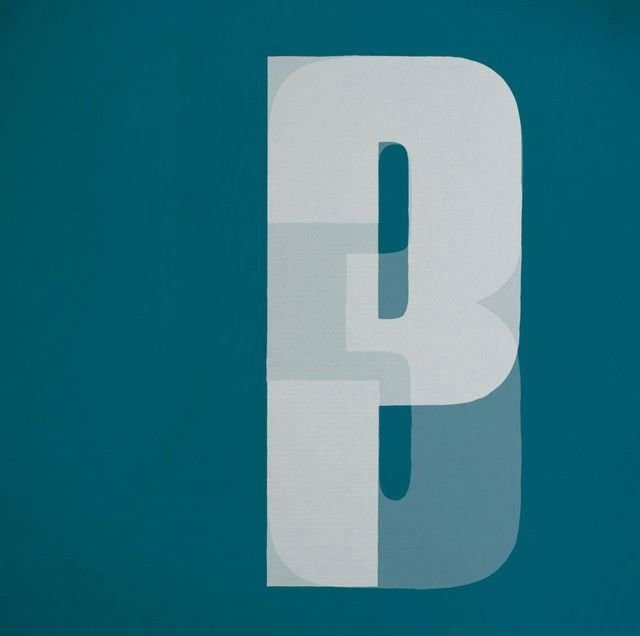
Released in 2008 as a single from Third, “The Rip” was written by Beth Gibbons, Adrian Utley, and Geoff Barrow, and produced by Portishead. According to the song’s documented history, it began as a minimal guitar-and-voice piece before evolving into the final form heard on the album. That background matters because the track itself feels like a crossing from intimacy into uncertainty.
A Song About Letting Go Without Certainty
At its core, the song appears to describe a person standing at the edge of emotional release. They feel bitterness, hesitation, tenderness, and fear all at once. The key tension is not whether change is possible. It is whether they can follow it.
That is why the repeated image of wild, white horses
matters so much. The phrase suggests movement, surrender, and even rescue. But it is not a simple happy ending. The song immediately keeps the doubt alive with Will I follow?
That question turns the chorus into a struggle between longing and self-protection.
Interpretation: The horses may represent love, death, spiritual release, or simply the force of change. Portishead never pins the image to one meaning, which is part of the song’s power.
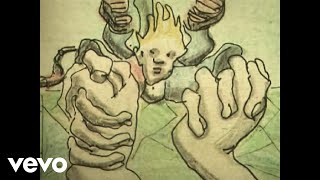
Watch the official The Rip
music video
The Story Inside the Verses
The opening verse places the listener in a moment of encounter. Someone enters, and their presence seems to trigger memory and self-examination. The narrator notices beauty and grace, but also their own old hurt. When they admit the bitterness they have carried, they also realize that love flows
beyond that pain.
That moment is important because the song does not present healing as clean or easy. It arrives mixed with hesitation. The speaker does not suddenly become confident. They only become aware that tenderness is still possible.
In the second verse, the mood darkens again. Images of being worn down and misled suggest emotional exhaustion. The phrase another lie moves over
hints that disappointment keeps repeating. Even after insight, they still live in a world where trust can fail.
Three emotional beats drive the song
- They meet a moment of beauty or presence.
- They recognize old bitterness and the possibility of love.
- They hesitate at the threshold of surrender.
That structure helps explain why the chorus feels haunting rather than triumphant.
What the Chorus Really Means
The chorus gives the song its most memorable symbols, but its emotional center is softer than its imagery suggests. The line about tenderness pushing darkness down implies relief, maybe even grace. Yet the final question prevents certainty.
Wild, white horsesThey will take me awayWill I follow?
Even here, the song balances invitation with fear. The speaker imagines being carried somewhere beyond pain, but they are not sure they can accept it.
Interpretation: This can be heard as a song about love after damage. It can also sound like a meditation on mortality, where release is both comforting and frightening.
Why the Sound Changes Everything
One reason the meaning of The Rip Portishead lands so strongly is the arrangement. The track starts with acoustic guitar and an exposed vocal, giving it the feeling of a private confession. Then it transforms into a pulsing electronic passage that feels larger, colder, and strangely liberating.
That shift is not accidental. Documented accounts note that Adrian Utley said the song started as a bare folk idea and changed through many versions before reaching its final form. Reports on the recording also describe the use of a Siel Orchestra sequencer, with notes assembled individually into the arpeggiated pattern, plus a toy acoustic guitar found in a junk shop. Those details fit the song’s identity: handmade feeling meets machine repetition.
The result is emotional storytelling through sound. The acoustic opening suggests vulnerability. The later synth pulse feels like being carried forward by something bigger than the self. Instead of exploding, the song glides into motion. That makes the surrender feel eerie, not safe.
Portishead Context Makes the Song Richer
“The Rip” arrived on Third, Portishead’s first studio album in about a decade. That long gap shaped how listeners heard it. Critics responded with unusual admiration, and the song became one of the album’s centerpieces.
Its reputation has only grown. Writers later called it one of the band’s most affecting songs, and Thom Yorke publicly praised it, even performing it live with both Radiohead and Portishead at different times. That reception does not prove meaning, but it does show that many listeners hear something timeless in its mix of fragility and momentum.
Final Take: A Beautiful Question, Not an Answer
The best way to read “The Rip” is as a song about standing before release and not knowing whether they can step into it. Love may still exist after bitterness. Tenderness may still push back darkness. But Portishead refuses to turn that insight into a neat resolution.
That is why the song lasts. It does not offer comfort as a finished state. It offers comfort as a possibility, then leaves the listener inside the question.
Disclaimer: This interpretation is based on the lyrics, recording context, and documented reception. As with most Portishead songs, ambiguity is part of the design, so other readings are possible.








