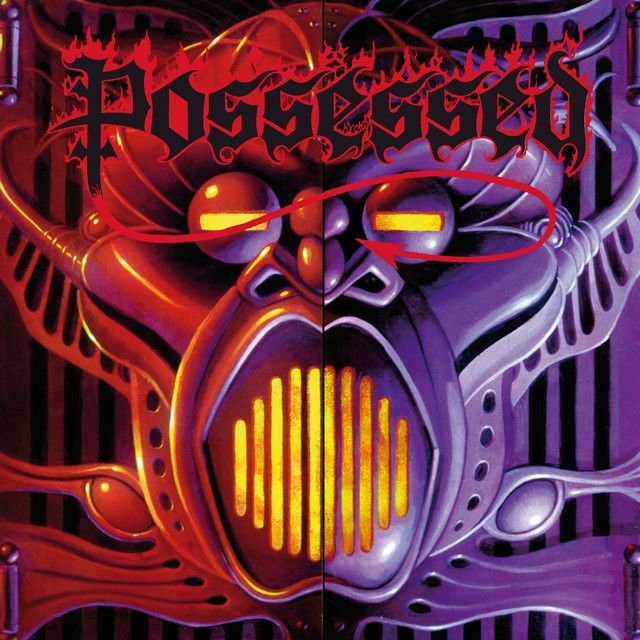
Why Possessed's "Tribulation" Feels So Dark
The meaning of Tribulation Possessed comes through fast: this is a song about apocalypse, fear, and the thrill of evil imagery. Rather than telling a detailed story with named characters, they build a nightmare landscape where nature is corrupted, heaven is under attack, and human safety is gone.
"Tribulation" - Possessed
Can you hear the sound?
Can you hear the nightmares
Loading lyrics...
Unable to load lyrics
We're unable to display the lyrics at this time. Please try again later.
Possessed are widely associated with the rise of death metal in the mid-1980s, a fact noted by outlets like AllMusic and the Encyclopaedia Metallum. That context matters. Their songs often use Satanic and end-times language less as theology than as extreme metal theater: a way to push violence, dread, and taboo to the front of the listener’s mind.
The Core Idea Behind the Chaos
At its heart, the song imagines the world entering final suffering. The title word itself carries weight. In ordinary usage, “tribulation” means severe trouble or distress; in Christian end-times language, it can also refer to a final period of catastrophe and judgment. That double meaning fits the lyric perfectly: personal suffering grows into cosmic collapse.
The opening questions set the tone. By asking if the listener can hear thunder, nightmares, and sorrow, the song makes disaster feel close and unavoidable. The key point is not subtle emotion. It is dread made physical. Short phrases like hear the thunder
and rise beneath the ground
suggest that terror is already moving upward, as if evil has been waiting under the surface.
Interpretation: they are turning fear into a sensory experience. Sound, movement, and pressure all matter more than narrative detail.
Watch the official Tribulation
music video
A World After Hope
The next images widen the scale. The skies are poisoned, rivers run with blood, and the sun no longer rises. These are classic signs of a world out of order. Nature is not just damaged; it has been spiritually inverted.
That matters for the meaning of Tribulation Possessed because the song is not simply about war or death. It is about the end of moral structure. When they suggest there is no tomorrow
, the line does more than announce doom. It removes the future itself.
There is also a sharp emotional turn in the warning that the listener will never love again
. That line keeps the song from being only grand and cinematic. It brings the apocalypse down to the level of human feeling. Love, comfort, and continuity disappear along with sunlight and order.
Heaven, Hell, and the Metal Imagination
The song’s middle section makes its main conflict explicit: heaven falls while Satan rises. The language echoes biblical imagery, especially Revelation’s battle between heavenly powers and the dragon. In Christian tradition, tribulation is linked with suffering, persecution, war, famine, and cosmic judgment. Summaries of that tradition often include poisoned waters, darkened skies, and violent conflict, all images this lyric draws on.
Still, it is important not to overstate literal intent. Possessed worked in a genre where blasphemous and infernal symbols were part of the sound and identity. In that setting, a phrase like Satan standing tall
works as both image and provocation. It gives evil a victorious posture, which increases the shock of heaven’s defeat.
Interpretation: the song may be less interested in doctrine than in reversal. Everything associated with safety, purity, and light is losing. Everything associated with corruption is winning.
Why the Chorus Sounds Like a Chant
The chorus is brief, blunt, and ritual-like. Words such as In love with Satan
and Come to Salem
do not advance the plot much, but they deepen the atmosphere. The repeated structure sounds like an invocation, almost like a crowd chant in the middle of battle.
“Salem” is especially interesting. It can point to witch-trial history in the American imagination, giving the song another layer of persecution, occult fear, and public evil. Whether they meant a direct historical reference or simply used the name for its dark cultural charge, it widens the song beyond biblical apocalypse into a broader horror vocabulary.
The Second-Person Trap
One of the smartest lyrical choices is the use of “you.” The song keeps addressing the listener directly: you hear, you feel, you lose, you cannot hide. That second-person frame turns spectacle into threat.
Instead of watching the end from far away, the listener is dragged inside it. The final warning says there is nowhere to run and nowhere to hide, and then the darkness is described as waiting inside. That last move is important. Evil is not only outside in the sky or under the ground. It is internal.
Interpretation: this can be read in two ways:
- as a literal horror scenario where demonic power invades the self
- as a metaphor for temptation, fear, or human attraction to destruction
That ambiguity gives the song more power than a simple monster story would have.
How the Sound Carries the Meaning
Possessed’s style is crucial to the song’s impact. Their aggressive riffing, rapid drumming, and harsh vocal attack push the lyrics past camp and into genuine menace. Extreme metal often works by making imagery feel bodily, and that is exactly what happens here.
The music likely emphasizes sharp rhythmic drive rather than atmosphere alone. That means the listener does not just picture catastrophe; they are rushed into it. The repeated title and chorus words would hit like percussive blows, reinforcing the idea of tribulation as pressure, suffering, and assault.
The Best Way to Read "Tribulation"
The best reading is that the song stages the final collapse of both the world and the self. Cosmic signs, hellish triumph, and direct warnings all serve one purpose: to make tribulation feel total.
For fans asking about the meaning of Tribulation Possessed, the answer is not that it hides a complicated secret message. Its power comes from clarity. It imagines ultimate suffering in vivid, extreme images and lets the band’s violent sound make those images feel real.
Disclaimer: This interpretation is based on the lyrics, metal genre context, and commonly understood end-times imagery. As with many heavy songs, meaning can remain open to different listener readings.








