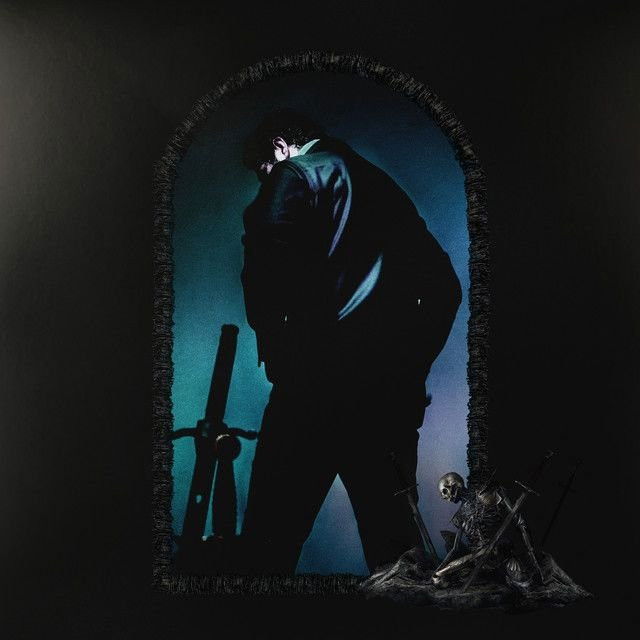
Why ‘A Thousand Bad Times’ Laughs at the Pain
They don’t write a breakup ballad here; they build a shield. Post Malone turns a messy relationship into a survival mantra, cracking jokes to keep the hurt at arm’s length. For listeners searching the meaning of A Thousand Bad Times Post Malone, the song is about turning chaos into confidence—and learning to live with scars.
"A Thousand Bad Times" - Post Malone
Yeah, yeah
Said you needed a ride, but you wanted my car
Loading lyrics...
Unable to load lyrics
We're unable to display the lyrics at this time. Please try again later.
The core idea: pain as punchline, survival as style
The narrator is stuck in a harmful loop, but he refuses to act like a victim. He admits the relationship makes life harder—then flips it into bravado. When he says you make my life so hard
, the next breath treats the stress as fuel. That whiplash between confession and swagger drives the song’s voice.
Interpretation: The track argues that endurance can look like denial. He copes by joking about disaster and acting unbreakable, which is both protective and risky.

Watch the official A Thousand Bad Times
music video
The defiant hook that reframes everything
I had a thousand bad times So what’s another time to me? You try to burn my house down But what’s another house to me?
This chorus is the thesis. He treats new damage as a rounding error. The “house” becomes a metaphor for stability; the suggestion is that even if you torch it, he’ll build again. The repetition isn’t just catchy—it’s armor.
Who’s talking—and who’s getting talked to
The voice is first person, addressing a chaotic partner. They pose as the calm in a storm of drama, even while they enable it. Lines about fame and being seen on TV hint at clout-chasing pressure, but the heart of the conflict is private: promises, betrayals, and repeat apologies.
When he reaches for thicker armor
, the image is clear. He knows what a night with this person brings and gears up anyway. That choice—staying—powers the song’s bittersweet tone.
A short timeline of the spiral
- Attraction and power: He feels used but enjoys the rush.
- Recognition of harm: He admits the partner causes pain.
- Rationalization: He shrugs, insisting he can take more.
- Escalation: Disasters pile up, both literal and symbolic.
- Non-escape: He knows he should leave, but he repeats the cycle.
With I don’t want to know the truth
, he names the denial outright. He prefers the story that keeps the thrill alive.
Symbols that sting—and why they work
- Burning house: A vivid stand-in for a wrecked life or home base. If you can rebuild, the fire loses power.
- Grave as bed: Gallows humor. He turns rock bottom into rest, flipping defeat into recovery.
- Armor: Emotional calluses, not cruelty.
Thicker armor
signals learned toughness after repeated hits. - Game-board love: Calling it
it’s all a game to me
is distancing. Games have rules and resets—safer than raw feelings. - Chokehold image:
foot on my throat
captures the suffocation of control, intensifying the urgency beneath the jokes.
How the sound sells the joke
Bouncy, guitar-led production rides clean trap drums and bright, layered vocals. The mix sparkles, which makes the cynicism feel like a wink instead of a lecture. Post Malone’s sing-rap delivery blends wounded tone with radio-ready hooks, so even heavy lines glide.
Production from frequent collaborators gives the track its gloss—tight vocal stacks, crisp percussion, and a roomy chorus drop. The music’s lift is intentional: you dance while he deflects, and that contrast is the meaning in motion.
Career context that shapes the message
On the 2019 album Hollywood’s Bleeding, Post Malone leans into genre-blend pop, rap, and rock while wearing the “sad clown” grin—melodies that smile while the words bruise. The song fits that lane: it’s catchy enough for a party, honest enough for a 2 a.m. text, and conflicted enough to feel real.
This is also part of his public persona: vulnerable, but never fully collapsing. He keeps the mask half-on, half-off, which makes the chorus feel like both flex and cry for help.
Two ways to read the ending
- Interpretation 1: Resilience anthem. By the close, he convinces himself that one more hit won’t matter. The win is survival, not wisdom.
- Interpretation 2: Cycle critique. The jokes are warning lights. Calling love a game shows emotional numbing, not growth. He knows he should leave—and chooses not to.
Both readings can be true. The tension between humor and harm is the song’s engine.
Final takeaway
The meaning of A Thousand Bad Times Post Malone lands here: toughness often comes wrapped in sarcasm. He turns heartbreak into a dare, bragging that he can take more—while quietly telling us it still hurts.
Disclaimer: Lyric interpretations are subjective and for discussion; only the artists can confirm intent.








