Why ‘528-Cash’ Feels Like a Jailhouse Confession
Project Pat’s meaning of 528-Cash Project Pat starts with a voice already cornered. The song opens from a jail cell and never really leaves that mental space. Even when the narrator rewinds to the robbery and the arrest, the mood stays trapped, bitter, and revenge-driven.
"528-Cash" - Project Pat
As I sit in my cell, might as well be in hell
Left a dead, two on one, fourth floor where I dwell
Loading lyrics...
Unable to load lyrics
We're unable to display the lyrics at this time. Please try again later.
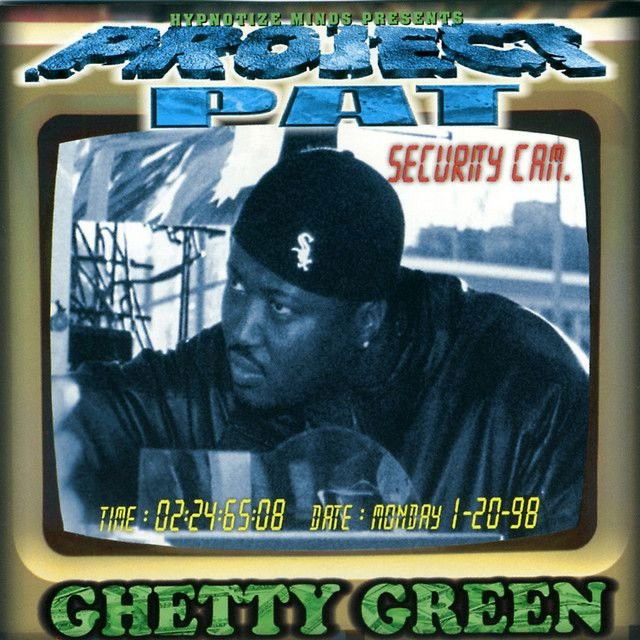
On paper, “528-Cash” is short—just track 19 on Ghetty Green, the 1999 debut album by Project Pat, released through Hypnotize Minds/Loud/RED. But its compact length works in its favor. It feels like a burst of anger, not a long meditation. That album was produced mainly by DJ Paul and Juicy J, and Project Pat later said money was the album’s central theme while half of it was written in jail.
The Real Core of the Story
At the most basic level, the song tells a crime story that turns into a betrayal story. The narrator remembers a robbery, getting caught, and then realizing someone close to him likely cooperated with prosecutors. What hurts him most is not just prison. It is the idea that a person he trusted folded under pressure.
That is why the emotional center is not the stolen money itself. It is the line between loyalty and disloyalty. Early on, the narrator contrasts brotherhood with treachery, saying someone he would have died for was really a snitch
. That short phrase explains almost everything that follows.
Interpretation: the song is less about the heist than about the collapse of a street code. Cash starts the plot, but betrayal gives it meaning.
Watch the official 528-Cash
music video
A Timeline Built From Anger
The narrative moves fast, but it follows a clear order:
- The narrator speaks from confinement, comparing the cell to hell.
- He flashes back to the robbery and escape attempt.
- He recalls being charged and pleading not guilty.
- He decides a former ally informed on him.
- He ends in fantasies of revenge and warning.
This structure matters because the song feels like a case file retold through rage. When he mentions a scene of the crime
, he is not being reflective in a calm way. He is replaying the moment where his future broke apart.
Loyalty, Snitching, and Street Code
The song’s strongest theme is loyalty under pressure. In many gangsta rap narratives, prison becomes the place where people sort real allies from fake ones. “528-Cash” fits that pattern exactly. The narrator can accept risk, violence, and even prison more easily than betrayal.
That helps explain the repetitive hook. The chant of snitches, bitches
is blunt, ugly, and meant to be. It strips the world into categories: those who stay solid and those who break the code. The repeated warning watch your back
pushes the song from memory into threat.
Interpretation: the chorus is intentionally narrow-minded. It shows how the narrator’s thinking has hardened in jail. He no longer sees complexity, only enemies.
Why the Title Matters on Ghetty Green
The title “528-Cash” sounds cryptic at first, but it makes more sense on Ghetty Green. According to album context, Ghetty Green is built around money, and the title itself uses Memphis slang for cash. On that level, “528-Cash” is not an outlier. It is one more chapter in an album where money drives action, status, and danger.
In this track, cash is not freedom. It is the bait. A duffel bag
full of money becomes the object that sets the story in motion, but the reward quickly turns into prison, paranoia, and thoughts of revenge. That reversal is key to the meaning of 528-Cash Project Pat: the thing they chase ends up destroying trust.
How the Memphis Sound Deepens the Meaning
Even without quoting much lyric detail, the song’s atmosphere is easy to hear. Ghetty Green is known for a sinister, bass-heavy Memphis sound, and Project Pat said he wanted distorted bass
that grabs listeners before the words even land, as summarized in the album’s documented reception and interview history at Wikipedia’s entry on Ghetty Green.
That production approach fits “528-Cash” perfectly. The beat does not soften the narrator or invite sympathy. It traps him in a dark tunnel of low-end pressure. The short runtime also helps: there is no emotional release, only compression.
A Voice That Sounds Cornered
Project Pat’s delivery is one of the song’s biggest tools. They rap in a blunt, almost matter-of-fact style, which makes violent thoughts sound colder. Instead of dramatic grief, the performance gives the listener hard resentment.
That is why the song feels believable as a character portrait. The detail is vivid, but the voice is even more important than the plot.
One Cautious Way to Read the Violence
Listeners should separate depiction from endorsement. The song contains revenge fantasies and threats, but its structure also shows a mind stuck in humiliation, rage, and suspicion. In other words, the violence is part of the portrait.
Interpretation: one reading is that “528-Cash” dramatizes how prison and betrayal shrink a person’s world. Another is that it functions as a warning from inside street logic: if money leads the mission, distrust may be waiting at the end.
Final Take on “528-Cash”
The meaning of 528-Cash Project Pat is not complicated, but it is intense. It is a jailhouse narrative about money, failed loyalty, and the emotional shock of feeling sold out by one of their own. The track’s dark Memphis production and clipped storytelling make that message hit even harder.
On Ghetty Green, money is a theme. On “528-Cash,” it becomes a trap that exposes character. That is what makes the song memorable.
Disclaimer: This interpretation is based on the lyrics, performance, and documented album context. As with most rap songs, some details may reflect character-based storytelling rather than literal fact.








