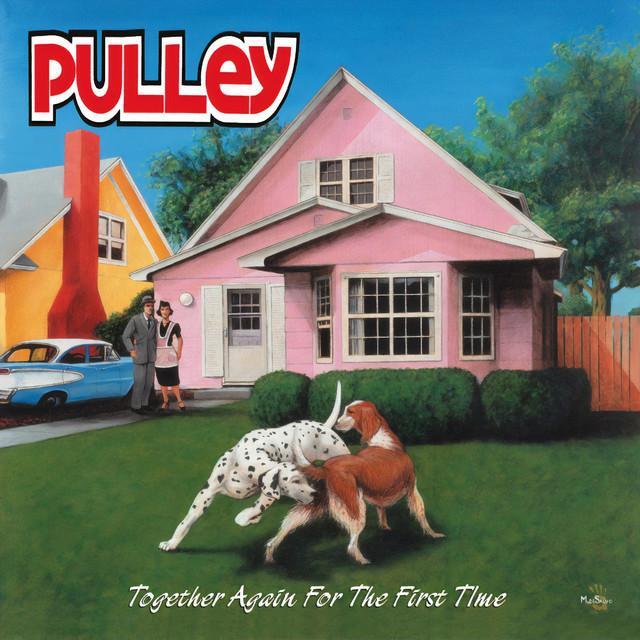
Hooray For Me by Pulley
A punk song that argues with itself
The meaning of Hooray For Me Pulley centers on artistic identity under pressure. The song sounds like a blunt, fast punk confession, but underneath that speed is a deeper fight: they want to keep making music even when they feel judged, misunderstood, or creatively drained.
"Hooray For Me" - Pulley
Loading lyrics...
Unable to load lyrics
We're unable to display the lyrics at this time. Please try again later.
Pulley were a steady presence in Epitaph’s punk orbit, and Hooray for Me
appeared on Punk-O-Rama 7 in 2002, where it ran just 2:19 as track 8. The Punk-O-Rama series was one of Epitaph’s key showcases, and Pulley appeared across multiple volumes, underscoring how established they were in that scene. The song was written by Brett Gurewitz, according to the information provided, which also fits the Epitaph connection.
Even without a lot of backstory, the track speaks clearly. It is about defending the value of making music while admitting how hard that can be.
Watch the official Hooray For Me
music video
The core message: art over approval
At the start, the speaker almost invites criticism. They say others can label them however they want, then push back against the idea that music should exist to earn money. That tension matters. The song is not pretending the business side of punk does not exist; it is rejecting the idea that money is the only reason to create.
One of the clearest phrases is pay my bills
. In context, that phrase is not about poverty alone. It stands for a whole system that measures songs by usefulness, marketability, and sameness.
They also worry about becoming just another cardboard cutout brand
. That image is sharp because it suggests a fake, flat version of a band—something mass-produced rather than lived. The speaker fears being seen as generic, yet they also admit they might be a hypocrite for chasing the dream anyway.
Interpretation: this is the song’s emotional engine. They believe in music, but they also know belief can look compromised once a band enters a scene, signs to a label, or gains visibility.
Pride and insecurity live together here
What makes the song stronger than a simple anti-industry rant is its honesty. The speaker does not claim perfect purity. They admit confusion. They admit contradiction. Still, they hold onto one simple defense: when everything ends, they want it known that they enjoyed doing it.
That is why the refrain about having fun matters. It reframes success. The point is not fame, perfection, or universal respect. The point is that the act itself meant something.
The line about music living on turns that private joy into a small kind of legacy. Even if the person fades, the work might stay alive. In a punk context, that lands especially hard. Punk songs are often short, rough, and urgent, yet they can outlast trends because they preserve a feeling.
When the song shifts into burnout
Midway through, the focus changes from public judgment to internal collapse. The writer moves from defiance to creative panic. They describe a moment when inspiration dries up and the flow is gone.
The phrase the ink dried up
captures that fear in a plain, physical way. This is not abstract sadness. It is the terrifying moment when the thing that once came naturally no longer arrives.
Another key phrase is pound my head against the wall
. That image shows frustration with both the self and the process. They are not just blocked; they are trapped inside the awareness of being blocked.
This section gives the song its emotional depth. Earlier, the speaker was fighting the outside world. Now they are fighting themselves.
The “broken man” ending
The last stretch lands on the repeated idea of a broken man
. That phrase pulls the whole song together. The speaker has spent the track insisting that music matters, but by the end they can barely tell their own story.
That does not cancel the earlier confidence. Instead, it complicates it. Their pride in creating and their fear of falling apart are both true at once.
Interpretation: the title “Hooray For Me” may be ironic. It sounds self-congratulatory, but the lyrics tell a messier story. The title can be heard as a sarcastic cheer from someone who is trying to celebrate survival while feeling worn down.
How the sound carries the meaning
Pulley’s style helps sell every part of this conflict. The track’s short runtime, fast tempo, and tight punk attack keep the song from sounding self-pitying. Instead, it feels urgent and human.
In this kind of arrangement, there is little room to hide. The guitars push forward, the rhythm section keeps everything moving, and the vocal delivery sounds like it is trying to outrun doubt. That matters because the lyrics are full of uncertainty, but the music still charges ahead.
That contrast is the point. The body of the song keeps going even when the mind inside it is struggling.
Why the song still connects
Part of the meaning of Hooray For Me Pulley is that creative life rarely feels clean. People can love what they do and still question it. They can believe in art and still wonder if they are fooling themselves.
That is why the song works beyond punk. It speaks to anyone who has tried to make something honest while fearing they are not original enough, successful enough, or strong enough to keep going.
Pulley place that fear inside a compact punk song, but the emotional reach is wider: make the work, doubt the work, defend the work, then hope it lasts.
Final takeaway
“Hooray For Me” is less a victory lap than a battle cry from someone trying to protect the reason they create. It argues that music can matter even when it does not make sense to everyone else.
That reading is an interpretation based on the lyrics, performance, and release context. As with any song, listeners may hear different shades of meaning in it.








