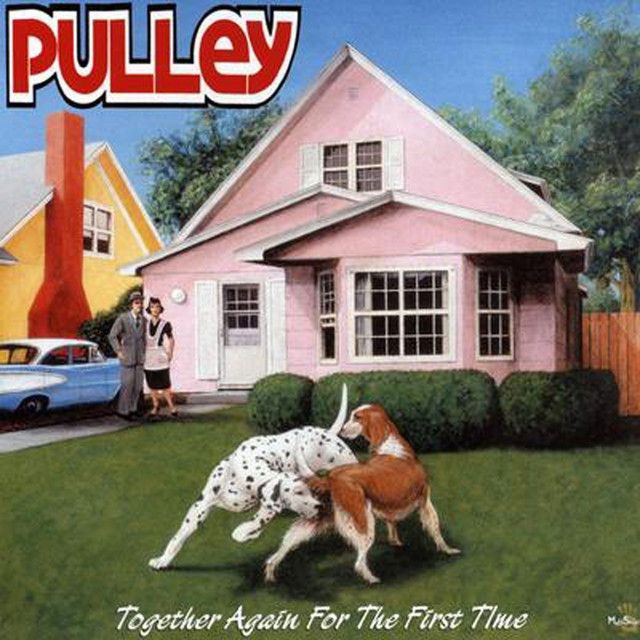
Why Pulley’s "Working Class Whore" Still Hits
The meaning of Working Class Whore Pulley comes through fast and hard: this is a song about work swallowing a person’s time, energy, and sense of self. It is not just complaining about a job. It is about the wider feeling of being trapped in a system where survival depends on endless effort, and where dignity can start to feel thin.
"Working Class Whore" - Pulley
From all around so many deadlines to meet
Life has gotten crazy again
Loading lyrics...
Unable to load lyrics
We're unable to display the lyrics at this time. Please try again later.
Pulley are known as a Southern California punk band led by Scott Radinsky, and their music often blends speed, melody, and plainspoken frustration. Based on the writing credits provided here, the song was written by James Paul III Cherry, Jordan Lieberman, Mike Harder, Scott Radinsky, and Tyler Rebbe. That collaborative feel matters, because the song sounds less like one private diary entry and more like a shared working-class mood.
A Punk Song About Being Used Up
At its core, the song presents a narrator crushed by responsibility. They feel pressure "from all around," and the first verse quickly builds a world of deadlines, expectations, and nonstop motion. The key point is not laziness or self-pity. In fact, the narrator keeps stressing that they work for a living
and always get the job done.
That detail shapes the whole song. They are not rejecting work itself. They are rejecting what work has turned them into.
Interpretation: the title’s shocking phrase suggests that labor under capitalism can feel like a kind of self-sale. The narrator is not literally describing sex work. They are using ugly language to express how dehumanizing it feels to trade most of their life for wages and still end up exhausted, lonely, and replaceable.

Watch the official Working Class Whore
music video
The Chorus Turns Pride Into Pain
The chorus is where the song’s main idea lands. On one level, the narrator sounds tough and realistic. They know people think they have them figured out, and they almost agree: there is not much left to say because their life has been reduced to work. Then comes the brutal self-label: another working class whore
.
That word "another" is crucial. It widens the song beyond one person. This is not framed as a unique tragedy. It is ordinary. The narrator sees themselves as one of many people grinding through the same cycle, stripped down to a role.
The Story Moves From Labor to Emptiness
The song’s structure follows a clear emotional path:
- First, pressure closes in through deadlines and obligation.
- Next, the narrator describes discipline, with their
nose pressed to the grindstone
. - Then the song shifts to home life, where they return to watch TV alone.
- Finally, the lyrics widen out into fear about aging, bills, and what will be left behind.
That middle section is especially sad because it shows the split between public value and private emptiness. At work, they are respected. Outside those walls, they feel like nothing. That contrast gives the song a deeper edge than a simple anti-job anthem.
Bills, Routine, and the Loss of Purpose
One of the strongest parts of the lyric is its list of basic expenses. Rent, utilities, phone, and insurance are not glamorous details, but that is exactly why they work. They remind the listener that the narrator is trapped by ordinary American adulthood, not by some dramatic failure.
The song also asks a quiet moral question: what does all this labor add up to? The narrator says they wish they could make a difference, but instead they mostly do as I am told
. That line shifts the song from personal stress into social criticism. Work is not only tiring; it may also be stealing the chance to live meaningfully.
Interpretation: the lyric about wondering what they leave behind suggests anxiety about legacy. The fear is not just poverty. It is the fear of becoming someone who survived but never really shaped the world around them.
How the Sound Carries the Message
Musically, the song fits the Alternative and punk-adjacent style attached to Pulley. The likely impact comes from speed, tight rhythm, and a vocal delivery that sounds urgent rather than reflective. Fast drums and driving guitars make the daily grind feel physical, almost breathless.
That matters because the song is about repetition. A slower arrangement might have made it sound mournful. Instead, the energy gives it a clenched-jaw feeling, like someone trying to stay functional while frustration keeps boiling over.
The repeated hook also works like a chant. Each return makes the self-description feel less like a metaphor and more like a label the narrator has heard so often that they have started using it too.
A Song About Class, But Also Identity
The meaning of Working Class Whore Pulley is clearly tied to class pressure, yet the song also speaks to identity loss. The narrator describes themself almost entirely through labor. Their schedule, worth, and even self-image are built around productivity.
That is why the final lines sting. Aging arrives suddenly. The system keeps moving. And the narrator fears they will no longer fit the mold
. In other words, even after years of service, they can still be discarded.
This gives the song a bitter paradox: work is supposed to provide stability, but here it creates insecurity. It asks for everything and promises very little.
Why the Song Still Connects
For many listeners in the United States, the song remains easy to recognize because its details are so familiar: overtime, isolation, bills, and the pressure to keep going. Even without long storytelling, Pulley capture a whole emotional economy of adult life.
The song does not offer a solution. It offers recognition. Sometimes that is the real power of punk: naming a feeling that people are usually told to normalize.
Final Take
The meaning of Working Class Whore Pulley is about more than hating a job. It is about how labor can consume identity, flatten purpose, and leave people feeling both necessary and invisible. Pulley turn that conflict into a sharp, memorable anthem of burnout and class frustration.
This interpretation is based on the lyrics provided and general knowledge of Pulley’s style. As with any song, listeners may hear additional meanings shaped by their own experiences.








