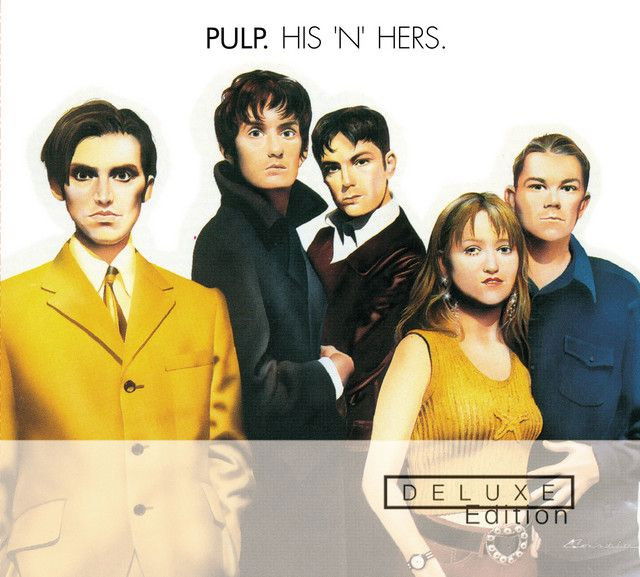
Lipgloss by Pulp
The meaning of Lipgloss Pulp lies in how a glamorous surface gives way to humiliation, dependence, and the strange social emptiness that can follow a breakup.
"Lipgloss" - Pulp
Provided by LyricFindNo wonder you're looking thin,
When all that you live on is lipgloss and cigarettes.
And scraps at the end of the day when he's given the rest,Loading...Loading lyrics...
Unable to load lyrics
We're unable to display the lyrics at this time. Please try again later.
Why This Pulp Song Still Cuts Deep
Pulp’s “Lipgloss” sounds bright, fast, and catchy, but its emotional world is harsher than its pop sheen suggests. Released in 1993 as the lead single from His 'n' Hers, it became the band’s first UK chart hit, reaching No. 50 and helping convince them not to split up, according to background collected by Wikipedia. That context matters because the song captures a band sharpening its voice: witty, observant, and painfully human.
At its core, the meaning of Lipgloss Pulp is about what happens when someone gives too much of themselves to a relationship and is then cast aside. The song follows a person who has bent their habits, body, and social life around another person’s desires. When that bond collapses, they are left with shame and a damaged sense of self.

Watch the official Lipgloss
music video
A Breakup Story About More Than Heartbreak
This is not just a song about being dumped. It is about becoming smaller inside a relationship. Early lines paint a person surviving on almost nothing, summed up in the phrase lipgloss and cigarettes
. The image suggests performance over nourishment: looking appealing on the outside while running on emptiness underneath.
The song also shows a cruel imbalance. The partner gives leftovers, attention comes and goes, and affection seems tied to convenience. Even before the breakup becomes official, the relationship feels unequal. The person at the center is not being cherished; they are being tolerated.
Interpretation: “Lipgloss” treats romance as a kind of social trap. The problem is not only rejection. It is the way rejection reveals how much self-respect has already been traded away.
Jarvis Cocker’s Clue to the Song’s Meaning
Jarvis Cocker gave an unusually direct explanation of the song’s idea. In a quote repeated by Songfacts, he said it was specifically about social skills going rusty
after being in a relationship. He also connected it to the wider His 'n' Hers theme of couples subjugating parts of their personality.
That comment helps explain why the lyrics spend so much time on awkward public life after the romance fails. The song is not only about private pain. It is also about having to face friends, strangers, and familiar places while feeling altered and exposed.
The Chorus Turns Makeup Into a Metaphor
The hook is the song’s sharpest metaphor: You've lost your lipgloss Honey
. On the surface, it sounds playful. But the line lands like a diagnosis.
Here, lipgloss stands for charm, sexual confidence, and the polished social self that once made this person feel visible. When the song says nothing you do
can restore the partner’s desire, the issue is not really cosmetics. It is the panic of realizing that techniques that once worked no longer do.
Interpretation: The lipgloss is symbolic, not literal. It represents the fear that attractiveness is fragile and that rejection can make someone feel stripped of identity.
How the Verses Build a Social Nightmare
One reason the song hits so hard is its attention to humiliation. It notices the bad jokes they laughed at, the friends they tolerated, and the public displays they accepted. Those details matter because they show compromise piling up over time.
Then the breakup creates a second wound: social embarrassment. The person is not only hurt; they are forced to imagine how others now see them. The lyric about eyes becoming holes in your face
turns sadness into something almost ghostly. They do not just feel unattractive. They feel erased.
There is also a bleak weather pattern running through the song. Rain feels oppressive, but sunshine feels worse. That reversal captures depression in a simple way: even good conditions stop feeling good.
The Sound Makes the Misery Catchy
Musically, “Lipgloss” works because Pulp do not present this collapse as a slow ballad. The track moves with pop-rock urgency. According to Wikipedia, it was recorded at Britannia Row Studios in London and produced by Ed Buller after the band signed to Island Records.
That cleaner, bigger production helps the song’s meaning. The drums push forward, the guitars add lift, and the keyboards give it a glossy surface that mirrors the title. Critics noticed that contrast. AllMusic praised the “fuzz guitars” in the chorus, while Select called it a marvelous pop song in coverage summarized by Wikipedia.
Interpretation: The upbeat arrangement acts like emotional camouflage. The song sounds lively while describing emotional depletion, which makes the pain feel more believable, not less.
A Small Story With a Bigger Theme
The song’s plot is simple: the partner changes their mind, a deadline is set, and the breakup arrives with brutal coldness. Even the final notice coming in writing makes the rejection feel detached and final. That detail shows how little dignity the person is given.
But the larger theme goes beyond one failed affair. “Lipgloss” is about the danger of building identity around being wanted. Once that approval disappears, the person has to meet themselves again without the costume.
That is why the meaning of Lipgloss Pulp still resonates. It understands that some breakups do not just hurt the heart. They scramble confidence, routine, and social instinct all at once.
Final Take on “Lipgloss”
Pulp turned a messy breakup into a smart, memorable song about self-worth and social panic. Its brilliance lies in how a small object, lipgloss, becomes a symbol for confidence that can vanish overnight.
Interpretation disclaimer: Song meaning is never fully fixed. This reading is based on the lyrics, the song’s sound, and comments from Jarvis Cocker, but listeners may hear different shades of class, gender, vanity, or power in it.







