Why 'Something Changed' Still Feels So True
The meaning of Something Changed Pulp comes down to one powerful idea: a life can shift because of one small decision. In this song, Pulp turns a simple love story into a meditation on chance, timing, and the strange way important moments often feel ordinary at first.
"Something Changed" - Pulp
I didn't know your name or what you looked like yet
Oh, I could have stayed at home and gone to bed
Loading lyrics...
Unable to load lyrics
We're unable to display the lyrics at this time. Please try again later.
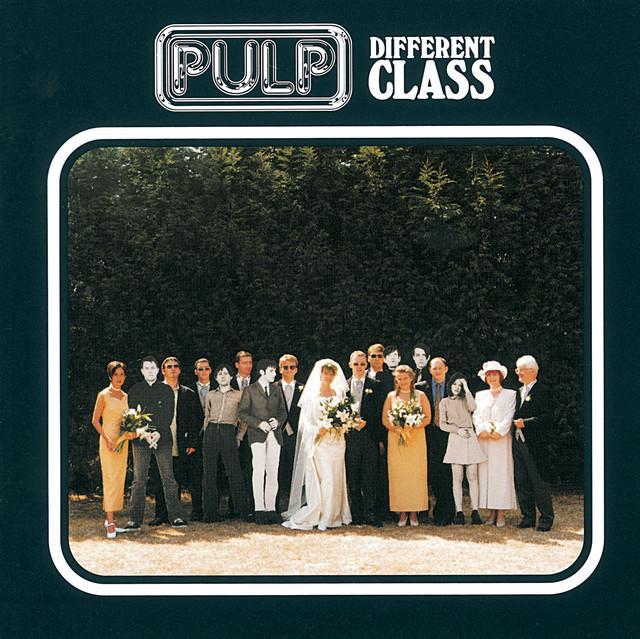
Released on Different Class in 1995 and issued as the album's fourth single in 1996, the track became one of Pulp's warmest and most loved songs, reaching No. 10 on the UK Singles Chart. It also stands out in the band's catalog because it is unusually tender for a group better known for sharp social observation and irony.
A Love Song About Accident, Not Destiny
On the surface, the song tells a straightforward story. The narrator remembers the day two people met and thinks about how easily it might never have happened. A different plan, a different mood, or one small hesitation could have sent both lives in another direction.
That is why the repeated phrase Something changed
matters so much. It sounds simple, but it carries the whole song. It marks the moment when everyday life splits into a before and an after.
Interpretation: The song is romantic, but it is not sentimental in a naive way. Instead of saying love was guaranteed, it says love was unlikely. That makes it feel more precious.

Watch the official Something Changed
music video
The Big Question Hiding in Plain Sight
One reason the song stays with listeners is that it keeps asking a common human question: what if they had not met? Early lines imagine alternative choices like staying home or doing something else instead. The lyric phrase I could have stayed at home
captures that ordinary crossroads.
The song even brushes against religion and fate by asking if there is someone up above
guiding love. But it does not settle there. Jarvis Cocker explained that the song is "not really about fate" and is instead about "the randomness of things," according to accounts preserved by Wikipedia and Songfacts.
That context matters. Pulp is not presenting a neat answer. They are showing how people try to explain major life turns after they happen.
How the Story Unfolds Step by Step
The song's narrative works because it moves in a clear sequence:
- The narrator begins before the meeting, stressing that neither person knew what was coming.
- They imagine the tiny choices that could have prevented the relationship.
- They ask whether love follows a plan or arrives by chance.
- They land on acceptance: whatever the reason, life is now different.
The emotional center arrives when the other person cuts through all the overthinking. Instead of solving the mystery, they urge the narrator to stop searching for cosmic answers and enjoy the moment. That contrast gives the song balance. One voice wants explanation; the other chooses presence.
Stop asking questions that don't matter anyway
Just give us a kiss
That brief exchange shows the song's heart. Love is important not because it can be fully explained, but because it is being lived.
Why the Chorus Hits So Hard
The chorus does not use grand poetry. It returns to Something changed
, which is almost plain speech. That plainness is the point.
Interpretation: Pulp suggests that major emotional truths often resist fancy language. People may not know exactly how or why their lives turned, only that they did. The chorus captures that stunned feeling with almost no decoration.
It also fits the theme of hindsight. People often only understand a turning point after it has passed. In the moment, it is just a day. Later, it becomes the day.
The Sound Makes the Idea Feel Gentle
Production is a big part of the song's meaning. The track was produced by Chris Thomas, and reviews have often noted its soft blend of strings and guitar. Rolling Stone's David Fricke praised its mix of strings and low guitar twang, as quoted on Wikipedia.
That arrangement matters because the song is not dramatic in a loud or explosive way. The tempo is measured, the mood is calm, and Jarvis Cocker's vocal delivery sounds reflective rather than overwhelmed. Mark Webber also recalled writing the guitar solo specifically for the studio version, a detail noted by Wikipedia.
All of this supports the lyric's message: life-changing events do not always arrive with thunder. Sometimes they enter quietly and only reveal their importance later.
Artist Context Helps Explain the Song's Warmth
Pulp's Different Class is famous for songs about class, desire, performance, and modern British life. In that setting, "Something Changed" feels almost disarming. It strips away some of the band's sharper edge and leaves space for sincerity.
That may be why the song has had such a long emotional afterlife. In 2020, Cocker said it was the Pulp song people most often mention to him, and many told him it was played at their weddings, according to Wikipedia.
That reception makes sense. The song does not present love as perfect. It presents love as improbable, fragile, and real.
A Clear Take on the Meaning of Something Changed Pulp
So, what is the meaning of Something Changed Pulp? At its core, it is about the random moment that becomes the center of a life story. It honors love without pretending it was guaranteed.
Interpretation: The song's deepest message may be that uncertainty does not weaken love; it strengthens it. If things could easily have gone another way, then the life that did happen feels even more miraculous.
In the end, Pulp gives listeners a love song for people who think too much, question everything, and still want to believe that one meeting can matter forever.
Disclaimer: This interpretation mixes documented artist comments with close reading of the lyrics and sound. As with any song, listeners may hear meanings that differ from this one.







