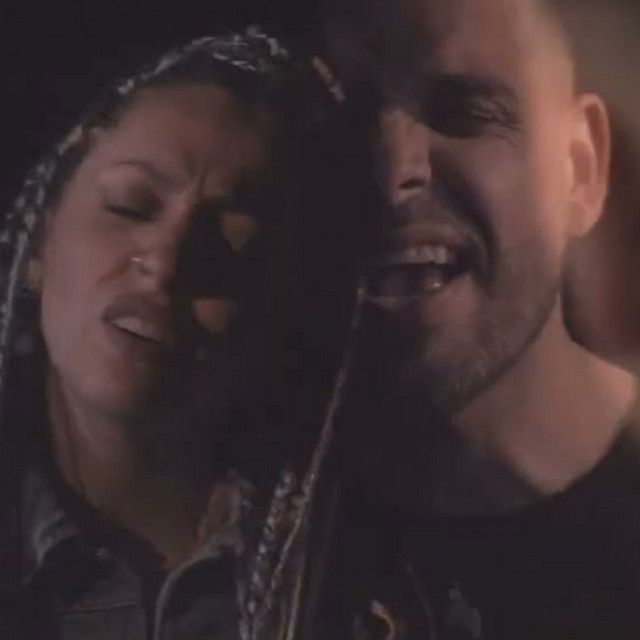
Why “200 Copas” Turns Heartbreak Into Defiance
The meaning of 200 Copas Q' Lokura, Banda Mix starts with pain, but it does not stay there. This is a breakup song about humiliation, emotional exhaustion, and the hard work of getting self-respect back. Instead of treating heartbreak as soft or private, the track turns it into a loud public release.
"200 Copas" - Q' Lokura, Banda Mix
Me partió el corazón muy fuertemente
¿Cuántas horas de llorar son suficientes
Loading lyrics...
Unable to load lyrics
We're unable to display the lyrics at this time. Please try again later.
What makes it hit is its split perspective. One part sounds like a wounded ex trying to rebuild pride. The other sounds like a friend stepping in to protect someone from a repeat offender in love. Together, they frame heartbreak as a shared lesson: stop begging, stop idealizing, and stop carrying all the blame.
A breakup song with two mirrors
At its core, the song says toxic love can make people feel small. Early lines describe repeated suffering and the point where crying no longer teaches anything new. The emotional question is simple: how much pain does it take to accept that this is not love?
That idea grows through the image of becoming a payaso
. In plain terms, they feel they were made to look foolish. It is not just sadness. It is the shame of staying too long, hoping someone will change.
Interpretation: The duet structure matters because it turns a private breakup into a broader social truth. This is not one unlucky romance. It is a pattern both voices recognize.

Watch the official 200 Copas
music video
From self-pity to self-respect
A key turn in the song comes when the speaker stops pleading. They say they will not beg again, and the language gets bolder, even crude. That shift is important. The song is not polished grief; it is angry recovery.
When the singer says they feel like a hombre millonario
, the line is not really about money. It is about restored value. After emotional damage, they are trying to feel rich in confidence, not poor in self-worth.
This is why the wardrobe line also matters. Changing clothes stands in for changing identity. They are not only leaving a person behind. They are updating the version of themselves that accepted mistreatment.
Why the chorus uses drinking and dancing
The central hook revolves around doscientas copas
at the bar. That image is huge on purpose. It captures the drama of post-breakup nightlife: too many drinks, loud music, and a room full of people trying not to think.
But the song is smarter than a simple party anthem. It admits that rebound behavior may feel good for a night, yet it does not fully solve the wound. One verse openly says trying to forget with someone else was no es suficiente
. That honesty gives the song emotional depth.
No es mi culpa,
la culpa aquí es de los dos
This is the song’s emotional center. After the chaos of the bar, the real breakthrough is mental. They stop carrying all the guilt alone.
The friend voice changes the meaning
One of the strongest parts of the Banda Mix is the supportive second voice. Instead of only hearing a dumped lover brag through the pain, listeners also hear someone advising a friend to stop accepting bad apologies.
That voice describes a partner with a repeated trick, someone who says sorry and wins forgiveness again. The pattern matters more than any single fight. The song suggests that routine hurt becomes its own form of emotional control.
Interpretation: This makes the track less about revenge and more about intervention. They are not just saying, “I’m over it.” They are saying, “You deserve better too.” That widens the song’s appeal and explains why audiences often treat it like a sing-along release.
How the Banda Mix sound supports the message
Q' Lokura are known in the Argentine cuarteto space, and this version folds that party energy into a breakup narrative. The arrangement is key to the meaning of 200 Copas Q' Lokura, Banda Mix because the rhythm keeps moving even while the lyrics revisit hurt. That tension creates the song’s emotional push-pull.
The beat invites dancing, but the words keep returning to betrayal, tears, and bruised pride. In that way, the production acts like the characters themselves: they are trying to move forward before they are fully healed. Readers can hear more about the group’s style through their official YouTube channel, while songwriter credits for this song are listed on ASCAP repertory.
For U.S. listeners, the closest comparison may be a breakup anthem that lives equally in the club and in the group chat. It is dramatic, direct, and built for communal release.
A brief note on context and authorship
The song is associated with writers Carolina Giraldo, Daniel Echavarría Oviedo, and Daniel Ovar Félix. Those credits connect it to a song world already known for blunt breakup writing, female solidarity, and barroom catharsis. That broader context helps explain why this version feels both personal and familiar.
Even without deep background, the emotional logic is clear: heartbreak becomes bearable when it is named out loud, shared with others, and stripped of false guilt.
The final takeaway from “200 Copas”
The meaning of 200 Copas Q' Lokura, Banda Mix is not that partying erases pain. It is that pain often turns into clarity in messy, noisy ways. They drink, dance, vent, and posture, but the real lesson is deeper: toxic love survives when people keep excusing it.
In the end, the song turns shame into solidarity. It says being hurt is not the same as being worthless, and healing begins when they stop chasing people who enjoy being chased.
Disclaimer: This interpretation is based on the released lyrics, songwriting context, and musical presentation. As with any song, meanings can vary from listener to listener.








