Why "Baby" Hits Harder Than a Flex Track
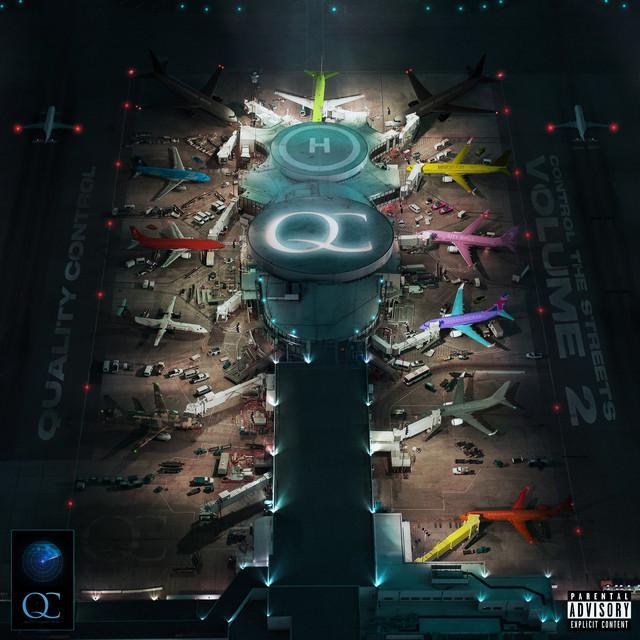
The meaning of Baby Quality Control, Lil Baby, DaBaby starts with a simple idea: this is a victory lap that refuses to forget where it came from. Released on July 17, 2019, as a single from Control the Streets, Volume 2, the song brought together two of rap’s biggest breakout names over production by Wheezy. Factually, it was issued by Quality Control, Motown, and Universal, and later peaked at No. 21 on the Billboard Hot 100. It also became one of the standout songs from a huge year for both artists.
"Baby" - Quality Control, Lil Baby, DaBaby
Yeah
Rest in peace to Bankroll, show 'em how to do it
Loading lyrics...
Unable to load lyrics
We're unable to display the lyrics at this time. Please try again later.
But the song matters because it is more than a hit pairing. Under the swagger, it tells a story about fame, danger, and identity. It asks what happens when artists become rich but still feel tied to the pressure of the streets.
A Tag-Team Anthem With Real Stakes
On the surface, “Baby” sounds like pure brag rap. The hook keeps repeating puttin' on for the city
, which frames both rappers as hometown representatives rather than just solo stars. That matters because the song is not only about money. It is about carrying Atlanta and Charlotte energy into the mainstream while proving they earned their place.
Lil Baby’s verse gives the song its emotional base. He references loss, old hustles, legal trouble, and betrayal. Early on, he mentions Rest in peace to Bankroll
, which signals that success in this world sits beside grief. He then moves through private flights, lawsuits, fake friends, and memories of skipping school. In plain terms, they present wealth and trauma as part of the same timeline.
Interpretation: This is why the song feels heavier than a standard flex track. The boasts are not random. They are evidence that they survived.

Watch the official Baby
music video
Lil Baby’s Verse Turns Success Into Testimony
Lil Baby raps in a way that makes his rise sound fast, but never easy. One of the key lines is this shit really a process
. That phrase cuts through the bragging and gives the song its center. He is saying the glamorous version of rap success hides years of grinding, danger, and setbacks.
He also keeps returning to the idea that wealth has not fully changed his setting or mindset. When he says still in the projects
, he is not claiming he is literally stuck in one place forever. He is reminding listeners that class mobility in rap often comes with emotional and social ties that do not disappear overnight.
That mix of progress and attachment creates tension across his whole verse:
- They have money now.
- They still feel watched.
- They still carry old grudges.
- They still define themselves by where they came from.
This is a classic rap theme, but Lil Baby makes it feel immediate and personal.
DaBaby Changes the Temperature
Where Lil Baby sounds reflective, DaBaby sounds theatrical. His verse is full of jokes, threats, sex talk, and oversized confidence. He treats “Baby” like a brand name, turning the title into a chant and a persona at the same time.
His section pushes the song away from testimony and toward performance. He boasts about power, business, women, and image, making himself sound impossible to ignore. That switch is important. It keeps the track from getting too introspective and makes the collaboration feel balanced.
According to coverage collected on the song’s release, critics often praised that contrast: Lil Baby handling the more melodic and grounded side, DaBaby bringing sharper comic aggression. That split is a big part of why the record works so well.
The Hook Sells a Character, Not Just a Chorus
The hook is extremely repetitive, and that is the point. Wikipedia notes that the word “baby” is repeated 37 times in the song. Rather than feeling lazy, the repetition builds a myth around the name. Each new line adds another trait: rich, real, active, loyal, still connected to the block.
In other words, the chorus functions like a list of public claims. It is branding through rhythm. The artists are not just saying who they are. They are making sure the audience remembers it.
Baby puttin' on for the city
Baby, he the realest
Baby makin' classics
That short stretch shows how the hook works: civic pride, authenticity, and artistic success all get folded into one repeated identity.
Wheezy’s Beat Makes the Meaning Land
Produced by Wheezy, the instrumental is sleek, minimal, and springy. It leaves lots of air between the drums and melody, which gives both rappers space to sound distinct. That space is crucial because the song’s appeal depends on contrast.
Lil Baby can glide and stack details without the track getting crowded. DaBaby can punch in with blunt, hard-edged rhythm and still sound in control. Reviews at the time praised Wheezy’s production for giving each rapper room to keep their own style while staying locked into the same world.
Interpretation: The beat mirrors the song’s message. It sounds effortless, but that smooth surface hides discipline and design. That is the same tension the lyrics describe when they celebrate success while hinting at the cost behind it.
Why the Song Endured in 2019
“Baby” landed at a moment when both rappers were central to mainstream rap. The collaboration felt event-level because it united two artists whose names, flows, and personas were already defining the year. The song’s Scarface-inspired video and BET Hip Hop Awards performance helped make it even bigger.
Its staying power comes from how clearly it captures a rap archetype: the artist who has made it, knows it, and still cannot fully leave survival mode behind. The song is catchy enough for radio, but specific enough to feel lived in.
The Real Takeaway
The meaning of Baby Quality Control, Lil Baby, DaBaby is not just that both rappers are successful. It is that success has become part of a larger self-portrait: loyal to home, shaped by pressure, and determined to turn survival into legend.
That is why the song still hits. Beneath the boasts, they are documenting how rap fame can feel like both escape and continuation.
Disclaimer: This article mixes factual background with clearly labeled interpretation. Song meaning can vary from listener to listener.







