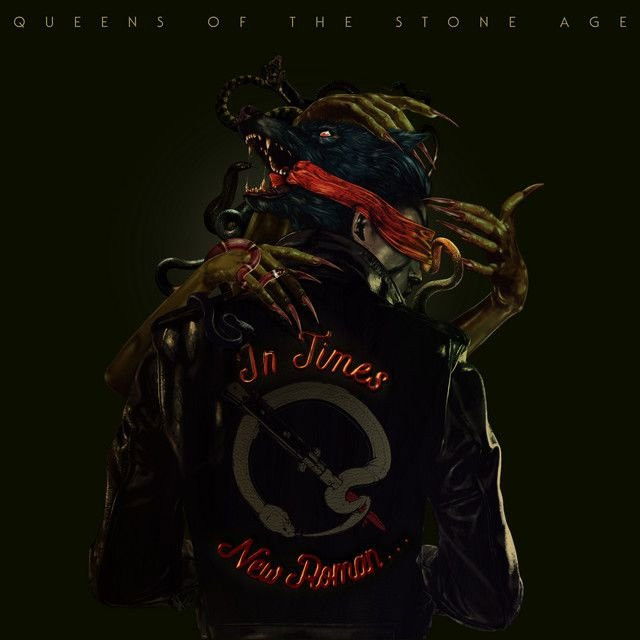
Paper Machete by Queens of the Stone Age
They turn heartbreak into a weapon that can’t really cut. That’s the twist behind Paper Machete, a sharp, fast entry on In Times New Roman... and one that fans keep asking about. If you’re searching for the meaning of Paper Machete Queens of the Stone Age, here’s a clear, lyric-grounded read.
"Paper Machete" - Queens of the Stone Age
The kids, the man, the chicks, the breaks
They don't care what you think anymore
Loading lyrics...
Unable to load lyrics
We're unable to display the lyrics at this time. Please try again later.
A Blade That Bends: The Song’s Central Point
At heart, the narrator calls out a partner who builds stories and personas to dodge blame. They accuse this person of molding reality—summed up in the line The truth is just a piece of clay
. The metaphor of a paper machete
does the heavy lifting: it mimics a knife but is made of paste and paper.
Interpretation: The song says image and spin can look lethal online or from a distance, but they fall apart in real life. The chorus reduces the “you” from a lion to a cardboard prop, stripping away power with repetition.
Who’s in the Crosshairs? Voice and Target
The voice is first-person, speaking directly to a “you.” The tone is confrontational and wounded. When they say face to face, you're a coward
, they contrast public performance with private retreat. The singer isn’t seeking reconciliation; they’re settling accounts.
Interpretation: The “you” may be a composite—one person, or a broader type of manipulator. Either way, the target thrives on narrative control. The speaker forces them into the open and finds only paper.
From Shock to Goodbye: A Tight Narrative Arc
The song moves fast through five beats:
- The setup: paranoia and blame swirl; the narrator names the cycle.
- The mask: truth gets bent like clay; the “you” scripts roles.
- The call-out: direct confrontation replaces distance.
- The verdict: grief hardens into resolve—
My love is dead
marks the turn. - The refrain: the title returns, shrinking the “you” again.
Interpretation: Those beats track a breakup postmortem. The narrator is not asking “why” anymore. They’re drawing a line and walking away.
Symbols That Do the Cutting
- Paper machete: Looks dangerous, collapses when used. It’s the perfect image for performative strength.
- Clay-truth: If truth is clay, whoever holds it can reshape the story. That detail explains why the narrator rejects public narratives and demands face-to-face reality.
- Hero/victim roles: A telling phrase—
lioness and damsel in distress
—suggests the “you” plays opposite archetypes at will: fierce hunter, then helpless prey. The point isn’t gender; it’s how fast the roles change to win sympathy. - Finality: A blunt farewell—
My love is dead
—signals closure. The damaged bond isn’t fixable. - Replaceability: The stinging question
Is there nothing you cannot replace?
underlines how disposable the “you” treats people.
How the Sound Drives the Message
Paper Machete is classic Queens of the Stone Age: taut, mid-tempo urgency; biting guitars with a bright, cutting edge; and drums that punch like short jabs under the vocal. The arrangement leaves little air—verses feel caged, tightening the mood before the title line lands.
Fact: The single arrived June 14, 2023, via Matador, the third preview from In Times New Roman.... The band has linked the track’s tone to earlier, leaner QOTSA moments—think the serrated snap of Little Sister and the propulsion of Regular John. That musical lineage matters: it brings a familiar, muscular frame to newer, rawer emotions.
Interpretation: The guitar tone is the “blade,” but the mix keeps it just brittle enough to fit the metaphor. It’s aggressive, yet not unstoppable—more slice than crush—mirroring how a paper weapon might sound if it could.
Context: Anger, Honesty, and a Public Breakup
Josh Homme has described the album’s songs as honest expressions of anger and hurt, not a steady fuel but a moment of truth. Paper Machete lands inside a well-documented period of personal upheaval and recovery for him. That background doesn’t dictate the lyrics, but it explains the song’s plainspoken sting and lack of euphemism.
Interpretation: Knowing the backdrop, listeners hear the “you” as real, not invented. Still, the writing avoids specific names, letting the metaphor outlive the news cycle.
Other Ways to Read It
- Cultural read: The “you” could be public discourse itself—timelines where image-making wins. In that frame,
paper machete
is outrage that trends hard but fixes nothing. - Personal boundaries: It can also be a survivor’s mantra. Calling the “you” a paper blade drains fear and restores agency.
Both reads work because the lyrics balance detail with archetype. The message travels whether you know the backstory or not.
Takeaway
If you’re after the meaning of Paper Machete Queens of the Stone Age, picture a weapon that looks sharp until it hits the real world. The song names that fakery, grieves what was lost, and then walks away.
Disclaimer: Song meanings are interpretive; your experience may vary.








