Lone Ranger by Rachel Platten
Rachel Platten’s “Lone Ranger” turns independence into something bright, restless, and a little painful. For listeners searching for the meaning of Lone Ranger Rachel Platten, the song is not just about wanting space. It is about using motion, travel, and self-protection to avoid being hurt.
"Lone Ranger" - Rachel Platten
But I'm debating if I really need to
Be tied, tied to someone forever
Loading lyrics...
Unable to load lyrics
We're unable to display the lyrics at this time. Please try again later.
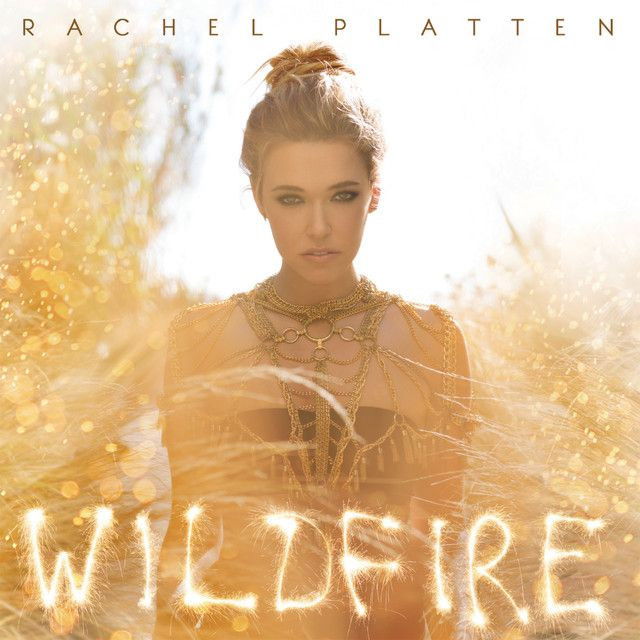
According to the Rachel Platten wiki, the song appeared on the Fight Song EP, and it was later associated with Wildfire in 2016. Songfacts also notes that Platten described the track as being about the beauty of touring life and not getting tied down, written with Brian West, a Canadian producer and songwriter known for pop collaborations like Nelly Furtado’s work and Andy Grammer’s documented credit history. The song also appears in the release orbit of the Fight Song EP, which helps place it in a key breakout period for Platten.
The Heart of the Song Is Freedom With a Cost
At its core, “Lone Ranger” presents a speaker who loves movement more than commitment. Early lines admit selfishness and uncertainty about being tied to one person forever. That confession matters because it keeps the song from sounding cold or smug.
Instead, the narrator sounds honest. They enjoy crowds, highways, late nights, and the quick thrill of attention. Phrases like city to city
and give me miles, give me truth
suggest that travel feels more real to them than romance does.
Interpretation: the song frames freedom as both a joy and a defense mechanism. The narrator is not only choosing independence; they are also hiding inside it.

Watch the official Lone Ranger
music video
Why the Chorus Hits So Hard
The chorus delivers the emotional center in very simple language. The speaker says they can handle emotional ups and downs and even feel steady around unfamiliar people. But when closeness becomes real, they pull away.
That is why the line room full of strangers
is so important. Strangers feel safe because they ask for nothing deep. Intimacy is the real danger.
The title phrase baby I’m a lone ranger
sounds bold on the surface, but in context it is almost a warning. The narrator tells the other person not to get close because leaving is already part of the pattern. This turns the hook into more than a catchy slogan; it becomes a self-description and a shield.
Verses Built on Toughness and Fear
One of the smartest things in the lyric is how it balances confidence with vulnerability. In one moment, the speaker compares themself to fierce animals. In the next, they admit fragility.
The image paper wings
is especially revealing. Wings normally suggest escape and freedom, but paper is weak. So even while the narrator wants to soar, they know their freedom may not fully protect them.
Then the song gets even clearer. The speaker says they are less brave than they seem and more scared than others think. That confession changes the whole track. What first sounds like celebration starts to feel like emotional self-defense.
The Most Vulnerable Moment
Near the end, the repeated fear of being hurt becomes impossible to miss:
I don't want to get broken baby
Cut open babe
This is the song’s rawest passage. It strips away the glamorous road imagery and reveals the real motive behind all that movement: they do not want their heart exposed.
Road Imagery as Emotional Symbol
“Lone Ranger” uses travel images in a way that feels bigger than literal touring. Highways, open roofs, long nights, and miles all point toward a life in motion. On one level, that matches Platten’s real-life touring context, which Songfacts connects to her comments about the beauty of the road.
But inside the song, the road also works as a symbol. Motion keeps the narrator from having to stay still long enough to be known. Crowds can fill the hunger
, but only temporarily. The thrill is real, yet it does not solve the deeper fear.
That tension gives the song its depth:
- freedom feels exciting
- attention feels energizing
- closeness feels dangerous
- leaving feels safer than staying
How the Sound Supports the Meaning
Musically, “Lone Ranger” fits the bright pop style around Platten’s breakthrough era. The melody is open and chant-like, which makes the hook sound liberating at first. The repeated “na na na” sections push the song toward a communal, road-trip feel, almost like an anthem for windows-down freedom.
But that upbeat sound creates contrast. The production’s energy can make listeners miss how anxious the lyrics really are. That contrast is effective because it mirrors the narrator’s personality: lively on the outside, guarded underneath.
Brian West’s co-writing connection also matters here. His pop background helps the song package emotional conflict inside a clean, accessible structure. The result is a track that sounds easy to sing along with, even though its emotional message is more complicated.
A Useful Way to Read the Song
The best way to understand the meaning of Lone Ranger Rachel Platten is to see it as a song about chosen solitude that may not be fully chosen. The narrator clearly values independence. They are thrilled by movement, novelty, and the chance to belong nowhere for too long.
Interpretation: at the same time, the lyric suggests that this identity is partly protective theater. Calling oneself a lone ranger sounds strong, but the repeated fear of being broken hints that loneliness may be the price of staying safe.
That is what makes the song relatable. Many people know the feeling of wanting connection while also fearing what connection can do.
Final Take on Platten’s Message
“Lone Ranger” is ultimately about the tension between adventure and attachment. Rachel Platten presents a character who loves the road, the rush, and the temporary safety of strangers, yet quietly admits that fear is driving part of that choice.
So the song is not anti-love. It is about what happens when self-protection becomes a lifestyle. That blend of confidence, motion, and hidden vulnerability is what gives “Lone Ranger” its staying power.
Disclaimer: This interpretation is based on the released lyrics, publicly available release context, and reported artist commentary. Like any song, “Lone Ranger” can support more than one valid reading.








