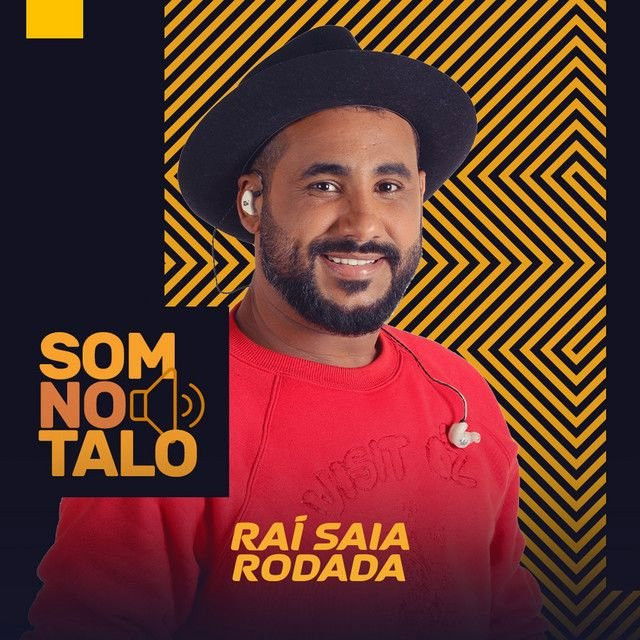
Tapão Na Raba by Raí Saia Rodada
They come to this track for the beat, but they stay for the frank, flirty story. The meaning of Tapão Na Raba Raí Saia Rodada sits at the crossroads of desire, memory, and dancefloor energy. It’s a party song that spells out what two people want and turns that spark into a chant everyone can move to.
"Tapão Na Raba" - Raí Saia Rodada
Isso aqui é repertório novo, é musica nova, heim
Raí Saia Rodada, menino
Loading lyrics...
Unable to load lyrics
We're unable to display the lyrics at this time. Please try again later.
Desire in Motion: What the Story Really Says
At its core, the narrator can’t shake a lover’s presence. The scent line—captured in the small phrase teu cheiro 'tá grudado
—shows how touch lingers after the night ends. They can’t stop thinking about it, summed up by não me sai da mente
.
Interpretation: The song treats longing as physical and immediate. Instead of brooding, the narrator acts, inviting the partner over to repeat the rush. The track presents sex as mutual play, using bold imagery to signal shared rules.

Watch the official Tapão Na Raba
music video
Who Speaks, Who Listens, and Why It Matters
The voice is first person, talking directly to a second person. They call back a night where both partners drove the pace—one urging não para, não para
while the other keeps up. These moments frame the relationship as highly responsive. Each partner cues the other, almost like a dance where steps are known, practiced, and performed.
Interpretation: The song aligns consent with rhythm. Words, looks, and breath become timing counts. The verses set that intimate tempo; the chorus snaps it into a simple, unforgettable idea.
From Verse to Hook: A Simple Nighttime Plot
Here’s the clean arc most listeners will hear:
- The narrator can’t forget the partner and calls them back.
- The verses name the signals—eyes, sounds, and steady motion.
- The chorus condenses everything into coded shorthand the crowd can chant.
By the time the hook lands, the scene is sweaty—nós dois suado
—and the key phrase tapão na raba
becomes the song’s badge. It’s not about violence; it’s about agreed boundaries turned into a catchy line.
Images and Codes: More Than Literal Words
The lyrics lean on near-cinematic snapshots: mirrors, bodies, and quick commands. In Brazilian slang, the title phrase describes a slap on the butt. Inside the song, this isn’t framed as harm; it’s part of the performance of heat and confidence. The partners speak in looks and little prompts that match the groove.
Interpretation: “Rough” cues operate as stagecraft here. They mark a private language that the crowd can echo without needing every detail. The hook becomes a public chant for a private code.
Beat, Brass, and Piseiro Pulse: How Sound Sells the Feeling
Raí Saia Rodada’s delivery rides a mid-tempo piseiro/forró blend: a thumping kick pattern, metallic ticks that recall the triangle, and bright, accordion-like synths. The production leaves a lot of space around the vocal, so every ad-lib feels like a wink to the dancefloor. It’s built to loop; the groove doesn’t push toward a finale so much as circle back to the hook.
Interpretation: That circular motion mirrors the story. Desire returns, the invite repeats, and the chorus reclaims the room again and again. What could be explicit on paper becomes playful in the mix.
Credits, Context, and the Crowd Effect
The song is written by Jeronimo Pereira de Lima and Israell Muniz. Raí’s performance comes from the Northeast forró tradition, updated by piseiro’s club-ready punch. It reflects a wider wave of Brazilian party tracks that use chant-like phrases and call-and-response energy. On social dance floors, a hook like this spreads fast because it’s easy to shout and easy to move to.
Interpretation: The “crowd effect” turns a private scene into a communal ritual. Listeners adopt the lines as dance commands, and the track becomes a shorthand for flirtation.
Alternate Takes: Brag, Fantasy, or Love-Lust Loop?
- Bravado anthem: The narrator flexes sexual confidence, inviting applause as much as a partner.
- Consensual fantasy: The lines paint a negotiated play space, where bold words stand in for clear cues.
- Cycle of longing: The repeated memories imply two people who keep finding their way back, night after night.
Each reading fits because the song leaves space between image and action. It’s more vibe than plot, and that’s why it works in a club.
Takeaway
The meaning of Tapão Na Raba Raí Saia Rodada is simple: a memory of chemistry becomes a call to repeat it, then a hook everyone can move to. The language is bold, but the heart of the song is responsiveness, rhythm, and mutually understood play.
Disclaimer: Song meanings are interpretive and may vary by listener. This article reflects one informed reading of the track.







