Why “Little Maggie” Still Cuts Deep
The meaning of Little Maggie Ralph Stanley starts with a simple scene and opens into something darker. A man watches a woman he loves drift toward drink, money trouble, and other men. What makes the song last is not a neat moral lesson. It is the way it turns jealousy, pride, and heartbreak into a hard Appalachian ballad.
"Little Maggie" - Ralph Stanley
With a dram glass in her hands
She's drinking away her troubles
Loading lyrics...
Unable to load lyrics
We're unable to display the lyrics at this time. Please try again later.
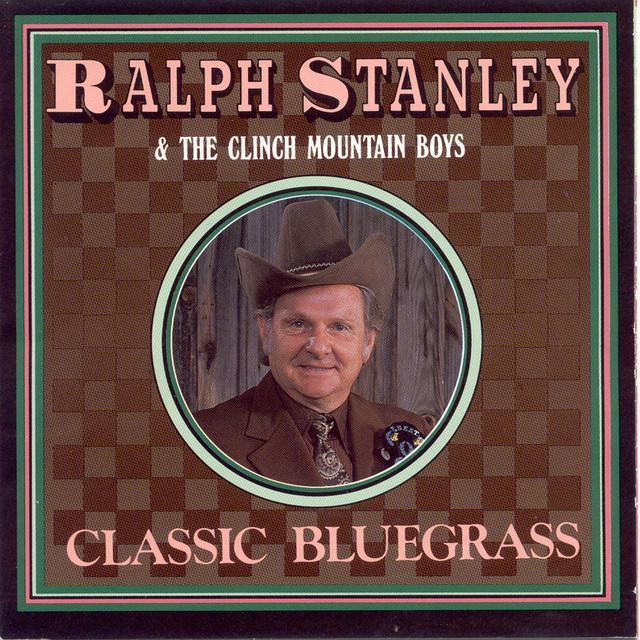
Ralph Stanley did not invent the song from scratch, but he became one of the artists most associated with it. According to American Songwriter, “Little Maggie” comes from an older Appalachian tradition, was recorded around 1928 by Grayson and Whitter, and was later popularized by the Stanley Brothers in the late 1940s. That long history matters because the song sounds less like a private confession and more like a folk drama passed from singer to singer.
A Love Song With a Sharp Edge
On the surface, the story is direct. The narrator sees Maggie with a drink and knows she is involved with someone else. The opening image, dram glass in her hand
, quickly tells listeners that her life is marked by trouble, escape, and instability.
From there, the song keeps shifting between devotion and resentment. He says he will pay her fine, he claims she was meant for him, and then he tells her to leave. That back-and-forth is the emotional core of the song. They are hearing a speaker who cannot decide whether he wants to rescue Maggie, possess her, or push her away.
Interpretation: The song is not really about judging Maggie alone. It is also about the narrator’s wounded ego. His pain comes out as romantic loyalty one moment and defiance the next.

Watch the official Little Maggie
music video
The Narrator Sounds Hurt, Not Calm
The song uses first-person language, but the emotional effect is bigger than one person. In a few short verses, the singer moves from longing to bragging to dismissal. When he says pay little Maggie’s fine
, the line sounds generous on one level. But it also suggests a relationship tied up with debt, consequence, and power.
That matters because the song never paints love as peaceful. Even the sweeter claim, made for mine
, carries a possessive tone. In a modern reading, that phrase can sound less romantic than controlling.
Interpretation: One strong reading is that the song captures a toxic bond. He loves Maggie, but he also talks about her as if she is something to win, keep, or replace.
The Story Unfolds in Quick, Rough Scenes
Rather than telling one smooth plot, “Little Maggie” works through flashes of conflict. Those scenes build the song’s meaning:
- The narrator sees Maggie drinking and involved with another man.
- He imagines paying to help or reclaim her.
- He insists she belongs with him.
- Money and status enter the picture through images of a dollar, a watch, and dancing.
- He ends by telling her to go, even while sounding wounded.
That structure is part of the song’s power. It feels unstable because the relationship is unstable. The listener is dropped into a world where love and humiliation happen almost at once.
Go away, go away, little Maggie
Go and do the best you can
Even in that brief farewell, the voice does not sound fully free. He tries to dismiss her, but the line lands like a defense against deeper hurt.
Money, Drinking, and Pride Drive the Song
Several old folk themes run through “Little Maggie.” The most obvious are alcohol, romance, and money. Maggie is introduced through drinking. The narrator responds by talking about cash and fines. Later, images like gold watch and chain
push the song into a rough social world where desire and status are linked.
This is one reason writers often connect the song to Appalachian “white blues.” American Songwriter places it alongside older songs of trouble and wandering such as “Darling Corey.” That tradition often mixes love with vice, poverty, and bravado. “Little Maggie” fits that pattern exactly.
Interpretation: Maggie may be less a fully drawn character than a symbol of temptation and chaos. The narrator’s fixation on her reveals his own weakness as much as hers.
Why Ralph Stanley’s Version Feels So Haunting
Ralph Stanley’s importance here is not just historical. It is sonic. His style helped turn “Little Maggie” into a standard. His high, raw mountain voice and the ringing banjo remove any sense of polish. Instead of sounding theatrical, the song feels lived-in and old.
That banjo line matters a lot to the meaning of Little Maggie Ralph Stanley. When the lyric talks about this old banjo ring
, the instrument almost becomes part of the story. It suggests endurance. Lovers fail, tempers shift, money disappears, but the banjo keeps sounding.
The Stanley Brothers’ version also helped bring the song to a wider audience, and Ralph Stanley kept performing it after Carter Stanley’s death in 1966, later with the Clinch Mountain Boys, according to American Songwriter. That continued performance history gave the song a second life as a bluegrass staple.
Why the Song Still Connects
Listeners still respond to “Little Maggie” because it refuses to clean up ugly feelings. It shows love mixed with pride, attraction mixed with blame, and heartbreak mixed with performance. The singer acts tough, but the song keeps revealing loss underneath.
That is why the song can feel both personal and traditional at the same time. It is one man’s complaint, but it also sounds like an old community memory about desire going wrong.
Final Take on the Message
In the end, the meaning of Little Maggie Ralph Stanley is about romantic obsession under pressure. The narrator wants Maggie, resents Maggie, and cannot fully let her go. Ralph Stanley’s version deepens that tension through stark singing and banjo drive, making the song feel less like a tidy breakup and more like a wound that keeps echoing.
Disclaimer: This interpretation blends lyric analysis with historical context. Because “Little Maggie” comes from a traditional song stream with varying versions, some meanings remain open to debate.







