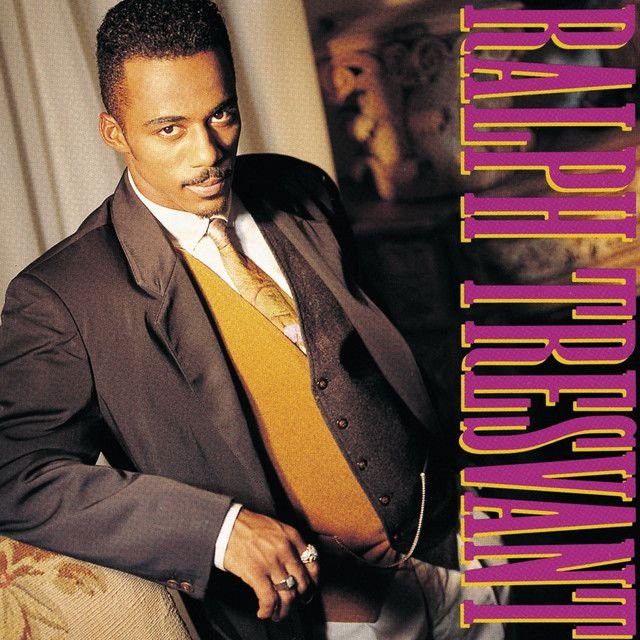
Sensitivity by Ralph Tresvant
Ralph Tresvant’s “Sensitivity” sounds smooth and comforting on the surface, but its message is more specific than a standard love song. At its core, the track presents a man trying to win over someone who has been hurt before. The meaning of Sensitivity Ralph Tresvant centers on emotional care: the song argues that love is not about money, ego, or control, but about patience, presence, and respect.
"Sensitivity" - Ralph Tresvant
There's a better place for you
I mean what you really need is someone who cares
Loading lyrics...
Unable to load lyrics
We're unable to display the lyrics at this time. Please try again later.
Released as a solo single from Tresvant’s self-titled debut album, Ralph Tresvant, the song helped define his image outside New Edition. Written and produced by Jimmy Jam and Terry Lewis, it also carries the polished R&B style that made their work so influential in the late 1980s and early 1990s.
A Love Song Built on Reassurance
The song opens with comfort, not seduction. The speaker sees a woman who has been mistreated and tries to calm her pain. When he says insensitive man
, he sets up the song’s main contrast: one kind of masculinity wounds, while another heals.
That is why the lyrics keep returning to emotional steadiness. The speaker does not just promise romance. He promises to be present, dependable, and kind. Phrases like someone who cares
and treat you right
frame love as a daily action, not just a feeling.
Interpretation: This is what gives the track its staying power. It speaks to a common heartbreak story, but it answers that pain with gentleness instead of drama.

Watch the official Sensitivity
music video
Who Is Speaking in “Sensitivity”?
The narrator speaks in first person, but always toward another person in pain. He is not reflecting on his own loneliness as much as making a case for himself as a better partner. In simple terms, he is saying: the last man failed, and they can offer something better.
That makes the song part comfort, part persuasion. The narrator sounds caring, yet he is also clearly selling an image of himself. The repeated line a man like me
is the key clue. He wants to help, but he also wants to replace the person who caused the hurt.
The Chorus Turns Sensitivity into a Standard
The chorus is where the song’s idea becomes bigger than one relationship. Instead of saying only that this woman deserves him, the lyric argues that she deserves a different kind of man altogether. The word sensitivity
becomes a standard for adult love.
In that sense, the hook is almost instructional. It says the right partner is not the richest or flashiest one. The right partner is stable, respectful, and emotionally available. That message was especially effective in early 1990s R&B, where romance often mixed desire with a promise of security.
You need a man, not any man
Warm and sensitive
Those lines summarize the whole song: not every lover is equal, and maturity matters.
Confidence or Self-Promotion?
One of the most interesting parts of the meaning of Sensitivity Ralph Tresvant is its slight tension. The song praises empathy, but the speaker is also highly confident. He does not just say sensitivity is valuable. He insists that he personally embodies it.
That creates two valid readings:
- Interpretation 1: The narrator is sincere. He truly wants to protect someone who has been treated badly.
- Interpretation 2: The narrator may be using the language of kindness to market himself.
Neither reading breaks the song. In fact, the blend is part of its realism. Real relationships often begin with both compassion and self-presentation. People comfort others, but they also want to be chosen.
How the Sound Supports the Message
The production matters as much as the lyrics. Jam and Lewis give the track a sleek new jack swing-influenced R&B feel, but they soften the groove enough to keep the focus on warmth rather than swagger. The beat moves, yet it never feels aggressive.
Tresvant’s vocal approach is just as important. He sings with control and ease, letting the melody feel inviting instead of forceful. That softness reinforces the song’s theme. Even when the lyrics are assertive, the performance keeps them tender.
Listeners can hear that contrast in the arrangement: crisp rhythm, smooth keyboards, and layered backing vocals create a setting that feels emotionally safe. According to the song’s chart history documented by Billboard, that combination clearly connected with a wide audience.
Why It Fit Ralph Tresvant So Well
Tresvant had long been known as one of New Edition’s smoother vocalists, so “Sensitivity” worked as a solo statement. It let him step away from group identity and present a more grown, romantic persona. Rather than trying to sound hard-edged, he leaned into elegance and emotional intelligence.
That choice gave the single a clear brand. The song is not about heartbreak from the wounded person’s point of view. It is about the answer to heartbreak. Tresvant becomes the voice of that answer.
Why the Song Still Connects
Part of the song’s lasting appeal is that its message remains easy to understand. Many love songs promise passion. Fewer make kindness sound attractive. “Sensitivity” does exactly that.
It also reflects a wider cultural shift in how male vulnerability could appear in mainstream R&B. The song does not reject masculinity. It redefines it through patience, care, and steadiness. That is a big reason it still feels fresh.
Final Take on the Song’s Meaning
The meaning of Sensitivity Ralph Tresvant is simple but strong: love should feel safe, attentive, and emotionally honest. The lyrics present sensitivity not as weakness, but as the trait that makes real partnership possible.
Interpretation: At the same time, the song knows that romance often involves persuasion. Its narrator comforts, advertises, and courts all at once. That mix is what makes “Sensitivity” more than a sweet ballad. It is a polished argument for tenderness.
Disclaimer: This interpretation is based on the song’s lyrics, performance, and known context. Like any piece of music, listeners may hear its meaning differently.







