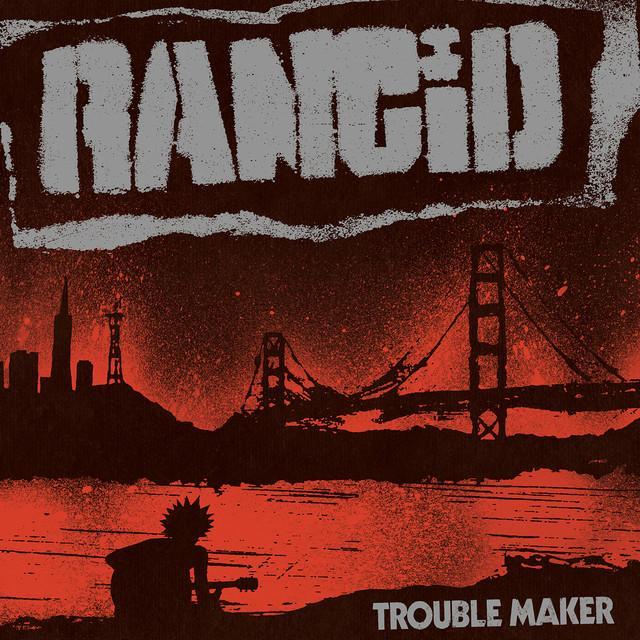
Where I'm Going by Rancid: Meaning in the Mayhem
The meaning of Where I'm Going Rancid comes down to a classic punk tension: loud confidence hiding deep instability. On the surface, the song sounds like a threat. Underneath, it feels more like a statement from someone who has been bruised by life, pushed into a corner, and now refuses to explain themself to anyone.
"Where I'm Going" - Rancid
Armageddon It'll come in time
When my whole world is gonna explode
Loading lyrics...
Unable to load lyrics
We're unable to display the lyrics at this time. Please try again later.
Released in 2017 as a single from Trouble Maker, the track was described by Consequence as a ska-punk song with an aggressive warning not to mess with the band. That fits the sound and the posture of the lyrics, and it also places the song in the middle of Rancid’s long-running mix of street-punk attitude, ska bounce, and anti-authority energy.
The Real Heart of the Song
At its center, the song is about being misunderstood. The repeated hook says others do not know where the speaker has been or where they are headed. That matters because every verse is full of force, threat, and resistance, yet the chorus suddenly turns that aggression into a defense.
The key emotional message is not just rage. It is wounded autonomy. When the speaker insists that others do not understand where I'm going
, they are drawing a boundary. They do not want advice, pity, or control. They want space to define their own path, even if that path looks reckless.
Interpretation: The song suggests that anger can become a shield. The louder the speaker sounds, the more they may be protecting a damaged sense of self.
Watch the official Where I'm Going
music video
Chaos as Identity, Not Just Behavior
The opening lines establish a mind-set built on destruction and conflict. Phrases like state of mind
and gonna explode
make the chaos sound internal before it becomes external. The song is not only about wrecking a room or fighting back. It is about living with a mind that already feels close to detonation.
That is why the bragging feels unstable. The speaker claims power, but the power is messy. They move like a predator, reject limits, and seem proud of refusing rules. Yet this is not calm self-possession. It is survival through aggression.
In punk writing, that kind of voice often means: the world has been harsh, so they answer with hardness. Rancid has used that stance for years, building songs around outsiders, street-level struggle, and distrust of authority.
The Chorus Changes the Whole Meaning
The chorus is what keeps the song from being a one-note outburst. It repeats the idea that listeners do not understand where the speaker is, where they have been, or where they are headed. Then later, the wording shifts so that even the speaker seems unsure.
That change is crucial. At first, the hook sounds like accusation. By the end, it starts to sound like confession. The song moves from “you do not understand me” toward something closer to “I may not fully understand myself either.”
Interpretation: That shift turns the song into a portrait of alienation. The speaker is not just fighting society. They are also fighting confusion inside their own head.
Freedom, Defiance, and Self-Sabotage
One verse ties rebellion to ideals of liberty and freedom. The speaker says they will not follow orders and refuses to beg. In plain terms, they value independence over approval. This fits Rancid’s broader punk worldview, where authority is often treated with suspicion.
But the song does not romanticize rebellion completely. Another verse includes ideas of drinking, retaliation, and mentally trapping oneself. The phrase incarcerate my own mind
is especially revealing. It suggests the speaker is not only oppressed by outside systems. They may also be trapped by their own habits, anger, or thinking.
That creates one of the song’s strongest tensions:
- They reject control from others.
- They celebrate personal freedom.
- But they also admit self-destructive patterns.
So the song’s rebellion has a cost. It sounds thrilling, yet it also sounds exhausting.
How the Sound Carries the Message
Musically, the track helps explain why the lyrics hit the way they do. Consequence noted its ska-punk roots and kicking guitar chords
, and that upbeat rhythmic push matters. Instead of slow, heavy despair, Rancid gives the song momentum. The band turns confusion into motion.
That skanking pulse makes the message feel communal, even when the lyrics are isolated and defensive. Tim Armstrong’s rough vocal delivery adds grit, while the gang-style chorus makes the hook sound like a shouted truth from a crowd. The result is a song that feels both personal and public: one person’s crisis voiced like a street anthem.
This is also why the song stays exciting rather than bleak. The arrangement gives the speaker swagger, even when the lyrics hint at damage.
Artist Context Around Trouble Maker
Rancid released Trouble Maker as their ninth studio album in June 2017, following preview singles including “Ghost of a Chance,” “Telegraph Avenue,” and this track. In that context, “Where I’m Going” works well as a mission statement. It reconnects the band with the scrappy energy that has defined them since the 1990s.
The writing credits for the song go to Tim Armstrong, Matt Freeman, Lars Frederiksen, and Branden Steineckert. That shared authorship fits the band’s collective attack: sharp rhythm section, chant-ready chorus, and a vocal tone that sounds half sneer, half battle cry.
Final Take on the Meaning
The meaning of Where I'm Going Rancid is not simply anger for anger’s sake. It is about a person who feels judged, misunderstood, and cornered, and who answers that pressure with defiance. The song celebrates freedom, but it also hints that freedom can become chaos when pain goes unhealed.
That is what makes it stick. Beneath the threats and swagger, Rancid captures a harder truth: some people fight so loudly because they are still trying to make sense of themselves.
Disclaimer: This interpretation is based on the lyrics, performance, and available release context. As with most songs, listeners may hear different meanings in it.







