Why Randy Newman’s Plea Hits So Hard
A rescue song hiding in plain sight
The meaning of I Can't Let You Throw Yourself Away Randy Newman comes down to one big idea: love becomes a refusal to give up on someone who is giving up on themself. The song sounds simple, even playful at first, but its message is serious. It is about stopping a person from sliding into despair, self-destruction, or emotional shutdown.
"I Can't Let You Throw Yourself Away" - Randy Newman
I can't let you throw yourself away
I can't let you (I can't let you)
Loading lyrics...
Unable to load lyrics
We're unable to display the lyrics at this time. Please try again later.
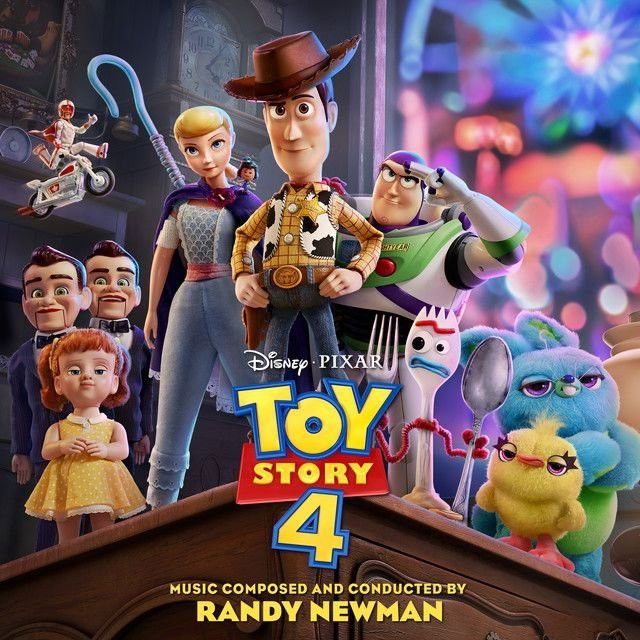
In the film context, that plea is aimed at Forky in Toy Story 4. Randy Newman wrote songs and score music across several Pixar films, and his long relationship with the studio helps explain why this one lands so well. As Randy Newman is known for, the writing is direct, character-based, and emotionally sharp even when it seems light on the surface.
The central line, throw yourself away
, works on two levels. In the story, it fits Forky literally, because he believes he belongs in the trash. Outside the movie, it speaks to anyone treating their own life as disposable. That double meaning gives the song more weight than its bouncy rhythm first suggests.
Watch the official I Can't Let You Throw Yourself Away
music video
Who is speaking, and why it matters
The song uses a firm first-person voice addressing a troubled “you.” That structure matters because it turns the lyric into an intervention. The speaker is not debating or philosophizing. They are stepping in.
When the chorus repeats I can't let you
, the repetition sounds less like control and more like urgency. Someone sees a person in danger and keeps saying the same thing because nothing else is getting through. That is why the song feels both affectionate and exhausted.
Tough love, not soft comfort
The verses widen the message. One part points to ordinary beauty, like seeing the sun rise and set. Another points to responsibility and connection, especially the mention of a child who would be hurt by this person’s absence. In plain terms, the song argues that a life still has value because it contains small joys and deep bonds.
Then the tone hardens. The speaker says, in effect, that they cannot keep doing this forever. The phrase save yourself
changes the balance of the song. Love can pull someone back from the edge, but it cannot live their life for them.
How the lines build the theme
The writing is economical, but each section adds a layer.
- The chorus states the mission: stop self-destruction.
- The first verse offers reasons to live: daily beauty and human love.
- The later verse introduces limits: help is real, but so is personal responsibility.
- The final repetitions suggest a struggle that is still ongoing.
That sequence is why the song avoids becoming sentimental. It does not say love magically fixes everything. It says care is powerful, but the person being saved must eventually choose life too.
One brief section captures the emotional shape well:
Don't you wanna see the sun come up
that little girl who loves you so
Those lines, taken together, move from the everyday to the deeply personal. The song starts with simple reasons to stay and ends with emotional stakes that are impossible to ignore.
The sound: bright music, heavy message
A big part of the song’s power comes from contrast. Newman often writes melodies that feel easy to enter, then fills them with more complicated feeling. Here, the arrangement has a springy, almost comic motion that suits Toy Story 4, but the words underneath carry fear and care.
That is classic Newman craft. His background as a pianist, arranger, and film composer lets him make music that serves character first. In this case, the tune is accessible enough for a family movie, yet the emotional subtext is mature. The listener can hear concern without the song becoming dark or overwhelming.
Why the upbeat style matters
The brighter production keeps the message from sounding hopeless. If the song were slow and mournful, it might feel like a lament after loss. Instead, it feels active, like someone is still trying. The rhythm says there is time to intervene.
That hopeful motion is central to the song’s meaning. Even while it warns against collapse, it still believes rescue is possible.
Randy Newman context changes the reading
Newman has spent decades moving between sharp songwriter records and major film work, including multiple Disney and Pixar projects noted in his career history at Pixar’s Toy Story 4. He is also famous for songs sung by characters, narrators, and voices that are not always straightforward. That matters here because listeners may wonder whether the song is ironic. In this case, it largely is not.
Factual context: Newman often uses satire and unreliable narrators in his non-film songs.
Interpretation: This song stands out because its emotional goal is unusually plainspoken. The speaker may sound worn down, but the concern appears sincere. There is no real wink in not listening anyway
; it sounds like frustration from caring too much, not mockery.
That sincerity makes the song memorable in a catalog full of clever masks. It shows Newman can still write with blunt emotional clarity when the character and story need it.
A song about worth, not just survival
The deepest reading is that the song is not only about preventing harm. It is about reminding someone that they are worth the effort. The speaker keeps returning, keeps insisting, keeps refusing to treat the person as trash.
That is why the title phrase hurts. It frames self-destruction as waste, not just pain. A life, a bond, a future morning — all of it would be discarded. The answer is not a grand speech. It is a stubborn act of care.
For many listeners, that is the lasting meaning of I Can't Let You Throw Yourself Away Randy Newman: a compassionate intervention wrapped in a deceptively cheerful tune. It says love can be gentle, but it can also be firm. Sometimes caring for someone means standing in the way of their worst impulse and saying, again and again, I can't let you
.
Final takeaway
In Toy Story 4, the song works as character storytelling. Outside the movie, it works as a small anthem for persistence, support, and human value. It understands that people can drift toward self-erasure, and that sometimes another voice has to call them back.
This article offers an interpretation based on the lyrics, performance, and available context. Song meaning can remain open, and different listeners may hear different shades in Newman’s writing.









