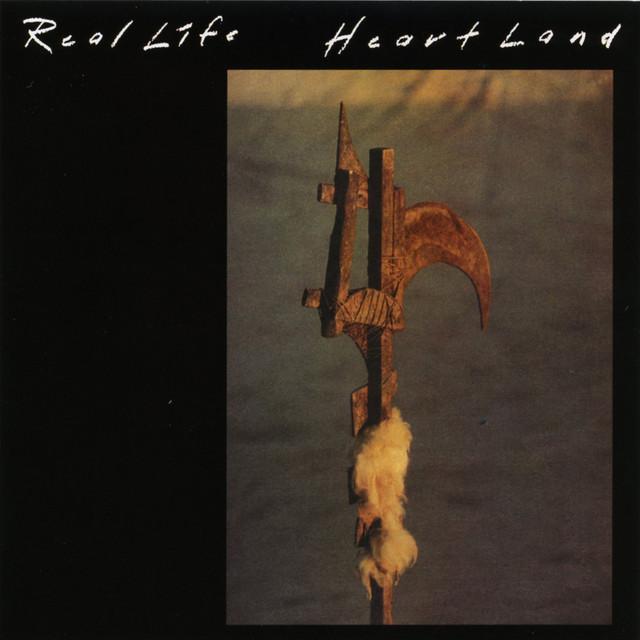
Why 'Send Me an Angel' Still Reaches Out
The meaning of Send Me An Angel Real Life comes down to a simple but lasting feeling: they want love, but they no longer trust it to arrive gently. Real Life turned that fear into one of the great synth-pop pleas of the 1980s.
"Send Me An Angel" - Real Life
Do you believe in love
Don't tell a lie don't be false and untrue
Loading lyrics...
Unable to load lyrics
We're unable to display the lyrics at this time. Please try again later.
Released in 1983 as the Australian band’s debut single from Heartland, the song became their best-known hit and later returned to the charts in its 1989 reissue. Factually, it was written by David Sterry and Richard Zatorski and produced by Ross Cockle, according to the research source provided.
A Prayer Disguised as a Pop Hook
At the center of the song is a speaker worn down by heartbreak. They are not just lonely. They are suspicious, bruised, and still hoping anyway. That is why the title phrase hits so hard: asking to be saved by someone better than the people who came before.
Early lines raise questions about trust, truth, and love. When the song asks about heaven and love, it sets up a world where romance feels almost spiritual. But the warning about lies suggests that hurt in love has moral weight too. In other words, they are not only upset; they feel betrayed.
The refrain Send me an angel
turns that pain into a direct plea. Paraphrased, they are saying: send help now, because ordinary romance has failed them.

Watch the official Send Me An Angel
music video
The Speaker Wants Love but Fears the Cost
One reason the song still works is its emotional contradiction. The speaker wants closeness, yet they expect damage. They admit to being unlucky in love and emotionally exposed.
That tension appears in short phrases like burning heart
and my defenses are down
. Those images suggest passion and vulnerability at the same time. Love is not calm here. It feels like attack, surrender, and risk.
There is also a striking moment when the song suggests that if someone gets too close, the speaker might run. Interpretation: this implies a pattern of self-protection. They crave affection, but past disappointment has trained them to retreat when intimacy becomes real.
How the Verses Build the Song’s Story
The narrative is simple, but effective. It moves in a clear emotional sequence:
- The speaker questions whether love can be trusted.
- They confess repeated disappointment.
- They describe the pain of wanting connection.
- They ask for rescue.
A useful phrase here is looking for love
. The song presents that search as active, not passive. They are trying, failing, and trying again.
Don't give up
You can be lucky in love
That brief passage matters because it interrupts the despair. Even in a song full of emotional fatigue, there is a counter-message: hope is still possible. The voice may be speaking to themselves, to a lover, or even to everyone who has been misled by romance.
The Meaning of the Angel Image
The angel image is what gives the song its staying power. It is vivid, open, and easy to feel. An angel can mean several things at once:
- a trustworthy romantic partner
- emotional rescue after heartbreak
- guidance when someone feels lost
- a near-miracle in a life full of disappointment
Interpretation: the song works because it never locks the symbol into one meaning. For some listeners, it is about love. For others, it is about any form of saving grace.
The line about empty dreams
deepens this reading. The speaker knows fantasy can fail them. They are not asking for a perfect fairytale. They are asking for something real enough to heal the gap between desire and reality.
Why the Sound Feels Bigger Than the Words
Musically, the song’s synth-pop and new wave style help carry its meaning. The research source identifies it as a 1983 synth-pop/new wave single, and that sound matters. The crisp drum machine pulse and gleaming keyboards create lift, while the vocal keeps a trace of strain underneath.
That contrast is key. The arrangement sounds bright and airborne, but the lyrics describe emotional instability. The result is classic 1980s melancholy-pop: music built for movement, wrapped around doubt.
This may explain why the song traveled so well. The provided chart data shows major success in Australia, West Germany, New Zealand, and the United States, with the 1989 reissue doing even better in the US than the original release. Its emotional message was broad enough to cross scenes and decades.
Why It Endures in Movies, Clubs, and Memory
The song kept resurfacing because its feeling is universal and its production is flexible. It can work in a movie soundtrack, a dance remix, or a nostalgic playlist without losing its core idea.
Its continued afterlife in films and covers supports that point. People keep returning to it because the central plea never dates: when love becomes confusing, they want someone or something good to break through.
The Lasting Meaning of Send Me An Angel Real Life
So, what is the meaning of Send Me An Angel Real Life? Most clearly, it is about romantic exhaustion mixed with stubborn hope. The speaker has been hurt, expects more hurt, and still asks for connection.
That is what makes the song memorable. It does not celebrate easy love. It asks for rescue from the mess of wanting it.
Disclaimer: This interpretation is based on the lyrics, the song’s production, and available release history. As with most pop songs, listeners may reasonably hear different meanings in its imagery and emotional tone.








