Why "Fancy" by Reba Still Hits So Hard
The meaning of Fancy Reba McEntire starts with a hard truth: this is a song about survival, not comfort. Reba McEntire’s version turns Bobbie Gentry’s 1969 story into a grand, dramatic country performance, but the heart of it stays brutal. A poor young woman is pushed into adulthood fast, then spends the rest of the song defending the choice that saved her life.
"Fancy" - Reba McEntire
It was the summer I turned eighteen
We lived in a one room, rundown shack
Loading lyrics...
Unable to load lyrics
We're unable to display the lyrics at this time. Please try again later.
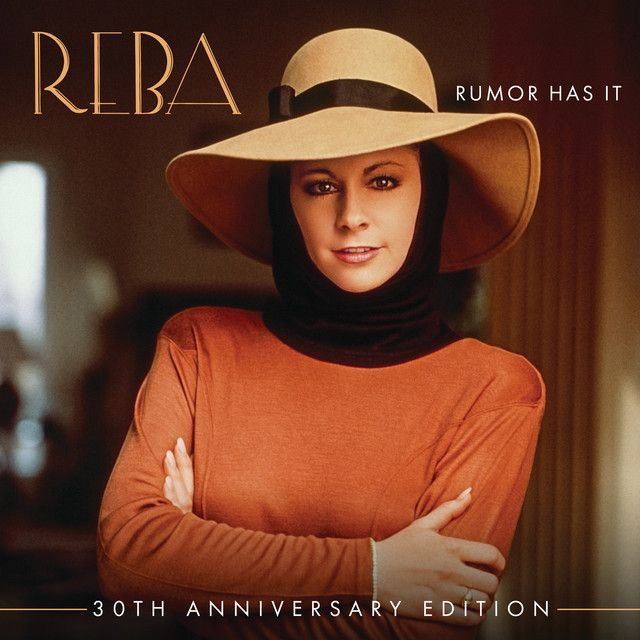
According to major song histories, Bobbie Gentry wrote and first recorded “Fancy” in 1969, and Reba later covered it for Rumor Has It in 1990, releasing it as a single in 1991. Reba’s version reached No. 8 on Billboard’s Hot Country Songs chart and became one of her signature performances. Those facts are widely documented by sources such as American Songwriter, Wikipedia, and Songfacts.
A Story of Poverty, Pressure, and Reinvention
At the song’s core, Fancy looks back on the summer she turned 18. She grows up in extreme poverty, in a shack outside New Orleans, with a father gone and a mother too sick to keep the family alive. The mother spends the last of their money on a dress, makeup, and perfume so Fancy can attract wealthy men.
That is why the hook matters so much. When the mother says one chance
and begs Fancy not to fail, the song frames the moment as both a blessing and a burden. Fancy is being told to escape, but she is also being pushed into a role she did not choose.
Interpretation: The song is not asking listeners to admire the situation. It asks them to face how few choices poverty can leave behind.

Watch the official Fancy
music video
The Chorus Turns Shame Into Command
The repeated line don’t let me down
is emotionally complex. On one level, it sounds like a parent urging a child to succeed. On another, it sounds like guilt being passed down.
That tension is what makes the song memorable. The mother is loving, desperate, and morally compromised at the same time. She is not drawn as a cartoon villain. She sees no honest path left, so she turns her daughter’s beauty into currency.
Lord, forgive me for what I do
if you want out
That brief plea is the song’s moral center. It admits the act is wrong, yet still presents it as an act of survival.
Fancy’s Voice Is Proud, Haunted, and Defensive
The song works because Fancy tells the story herself. She does not sound passive. Even when she describes fear and shock, she keeps control of the narrative.
Later, she becomes wealthy and powerful, moving through the world of rich men and high places. But her success never erases the trauma of how it began. When she attacks self-righteous hypocrites
, she is speaking to anyone who judges her mother without understanding hunger, illness, and abandonment.
Interpretation: Fancy is building a new identity, but she is also arguing her case. The whole song sounds like a defense against shame.
The Symbols That Carry the Meaning
Several images do a lot of work in very few words:
- The red dress marks the end of childhood.
- The mirror scene shows a forced transformation.
- The locket suggests dignity and self-belief.
- The mansion and townhouse represent success, but not peace.
One of the sharpest lines is to thine own self be true
. In context, that phrase is almost painful. It gives Fancy a moral slogan in a situation where morality has already been bent by desperation.
That contradiction is part of the genius. The song offers uplift and damage at the same time.
Why Reba’s Version Feels Bigger
Reba did not write “Fancy,” but she helped turn it into a country standard. Reports from American Songwriter and Songfacts note that she had wanted to record it for years, and only did so after changing producers to Tony Brown.
That context matters, because Reba sings it like a full drama. Her version is longer, louder, and more theatrical than many listeners expect from a narrative country song. The arrangement builds with piano, rhythm section, and a stage-ready swell that mirrors Fancy’s rise from the shack to high society.
Reba’s vocal delivery is key. She starts with control, then leans into grit, force, and near-defiance. Instead of sounding trapped inside the story, she sounds like someone who survived it and refuses to apologize.
The Video Pushes the Song Toward Redemption
Reba’s video added another layer to the song’s meaning. As noted by American Songwriter and Songfacts, it expands the plot by showing Fancy returning to her old home and tying the story to a refuge for runaways.
That is important because the lyric itself is not fully redemptive. It ends with success, but also with lingering pain. The video softens that by suggesting Fancy can turn trauma into help for others.
So What Does "Fancy" Finally Mean?
The meaning of Fancy Reba McEntire is not just about escaping poverty. It is about what survival costs, especially for women with no safe choices. Bobbie Gentry once called the song her strongest statement on women’s liberation, a comment quoted in sources including Wikipedia. That helps explain why the song still feels sharp today.
Interpretation: “Fancy” is both a survival anthem and a tragedy. It celebrates resilience, but it never lets listeners forget the system that made such resilience necessary.
Disclaimer: This article offers interpretation based on the song’s lyrics, recording history, and public commentary. Meaning can remain open to individual listeners.








