Why “Hump de Bump” Is Pure RHCP Motion
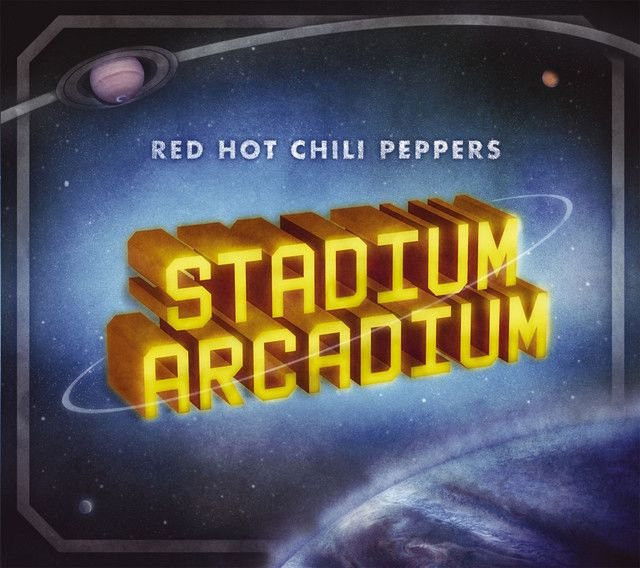
When people search for the meaning of Hump de Bump Red Hot Chili Peppers, they often expect a hidden story. What they find instead is a song built more on movement than plot. "Hump de Bump" is one of the loosest, most physical tracks on Stadium Arcadium, a 2006 double album that also made room for ballads, introspection, and polished rock. Here, the band goes the other way: back to funk, chant, rhythm, and body language.
"Hump de Bump" - Red Hot Chili Peppers
(Gon' getchya, gon' shake ya)
(Gon' getchya, gon' shake ya)
Loading lyrics...
Unable to load lyrics
We're unable to display the lyrics at this time. Please try again later.
Factually, the song was released on Stadium Arcadium and later became the album’s fifth and final single. It was produced by Rick Rubin and credited to Anthony Kiedis, Flea, John Frusciante, and Chad Smith. According to Wikipedia, it began as a jam and was originally known by working titles including "Ghost Dance 2000." That origin matters, because the finished track still sounds like a captured spark rather than a carefully explained statement.
The Core Idea Beneath the Chaos
At heart, the song is about attraction, release, and waking up through human connection. The lyrics are fragmented, but they keep circling the same feeling: someone moves from isolation into energy, touch, and alertness. That is why one of the key lines is wide awake now
. It suggests a shift from numbness or loneliness into presence.
Another clue comes in the line all-aloner
. Even in the song’s playful language, that phrase points to a person who used to drift on their own. The later rush of rhythm and repeated hooks feels like the opposite of that state. They are no longer sealed off; they are pulled into the social world.
Interpretation: rather than telling one literal romance, the song presents desire as an awakening force. It is less "They met, then this happened" and more "Their body and mind snapped back to life."

Watch the official Hump de Bump
music video
Verses That Act Like Snapshots
The verses in "Hump de Bump" do not unfold like a straight narrative. They arrive as flashes: detectives, streets, miles, styles, bells, and skies. These images feel half-surreal on purpose.
Take love street
. The phrase suggests a scene of flirtation and public energy, almost like the song is walking through a neighborhood where romance and performance blur together. Then there is hundred styles
, which hints that attraction has many forms. The song does not care about one perfect image or one fixed identity.
That idea becomes clearer when Kiedis contrasts surface and action. He says it is not really about appearances; it is about what people do with each other. In plain terms, chemistry matters more than image. The song’s messy wordplay supports that point. Desire is shown as awkward, funny, alive, and hard to reduce to neat language.
What the Chorus Actually Does
The title phrase and hook are mostly nonsense syllables, but they are not meaningless. They function like percussion inside the lyric sheet. The repeated hump de bump
sounds like a body trying to speak in rhythm before words catch up.
That is important to the meaning of Hump de Bump Red Hot Chili Peppers. The chorus does not explain the feeling; it performs it. It bumps, loops, and chants. Instead of giving the listener a thesis, it creates a bodily response. They hear it, and they understand it through groove.
Gon' getchya, gon' shake ya
Gon' getchya, gon' shake ya
Those repeated lines are simple, but they reinforce the song’s physical logic. Something is coming to grab attention, shake off passivity, and pull the listener into motion.
Sound First, Meaning Second
Production is central here. Rick Rubin keeps the arrangement punchy and open, letting the rhythm section carry the message. Flea’s bass drives the song with a springy, almost cartoonish confidence. Chad Smith’s drumming turns the track into forward momentum. Frusciante’s guitar is sharp and supportive rather than dominant.
One especially fun detail is that Flea also plays trumpet on the recording, a fact noted by both Songfacts and Wikipedia. That horn color adds to the street-party mood. The track feels sweaty, live, and communal, which fits a lyric centered on being pulled out of isolation.
This also helps explain why some listeners connect the song to older Chili Peppers material. On an album with many moods, "Hump de Bump" reaches back to the band’s funk-rock roots. Its looseness is the point.
Artist Context Makes the Song Clearer
There is a useful bit of background here. Songfacts reports that Anthony Kiedis was not initially as attached to the track as some other songs from the album, while Rubin strongly pushed to keep it. Flea also championed it. That tension says a lot.
"Hump de Bump" is not a grand confessional song. It is a feel song. Bands sometimes need those tracks because they preserve instinct. In that sense, its meaning is tied to process: the band trusted groove, jam energy, and chemistry.
The Chris Rock-directed video pushed that idea further. Set as a block party, it turns the song into public celebration. That visual frame supports the reading that this is music about collective heat, flirtation, and movement, not private reflection.
A Few Stronger Interpretations
Two readings make the most sense:
- Romantic awakening. The speaker moves from being alone to being emotionally and physically alive.
- Dance as transformation. The song treats rhythm itself as a way out of dullness, self-consciousness, or social distance.
Both fit the recurring rise into alertness and the way the track values motion over explanation.
The Real Takeaway
The meaning of Hump de Bump Red Hot Chili Peppers is less about decoding every odd image and more about recognizing the song’s pulse. It turns scattered phrases into a portrait of desire, social energy, and waking up. Their message is simple even when the wording is wild: connection feels physical before it becomes clear.
That is why the song still works. It does not ask listeners to solve it like a puzzle. It asks them to feel the jolt.
Disclaimer: This interpretation blends documented context with critical reading of the lyrics and sound. As with many Red Hot Chili Peppers songs, some ambiguity is intentional.









