What "Tear" Really Means by RHCP
The meaning of Tear Red Hot Chili Peppers centers on release, surrender, and the pressure to fully live before time runs out. On the surface, the song sounds warm and uplifting. Underneath, it holds tension: tears and freedom, guilt and forgiveness, solitude and connection.
"Tear" - Red Hot Chili Peppers
I can see clearly now that this is not a place
For playing solitaire
Loading lyrics...
Unable to load lyrics
We're unable to display the lyrics at this time. Please try again later.
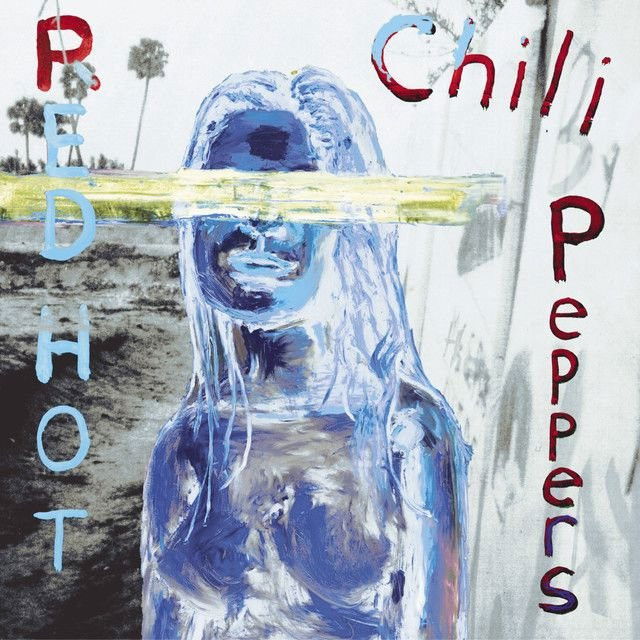
“Tear” appears as track 12 on By the Way, the band’s eighth studio album, released in 2002. The song is credited to Anthony Kiedis, Flea, John Frusciante, and Chad Smith, and the album was produced by Rick Rubin. Those are basic facts documented in band discography sources and album references such as the Red Hot Chili Peppers Wiki and standard album credits.
A Song About Letting Go Without Giving Up
At its core, “Tear” feels like a song about a person reaching a moment of emotional truth. When the narrator says this is my time
, they are not bragging. They seem to be claiming a fragile, hard-won moment of clarity.
The title image matters. A tear can mean grief, but it can also mean release. That double meaning helps explain why the song sounds both sad and hopeful. The speaker seems to accept pain as part of becoming whole.
This is why the line about life’s ups and downs is so important. Instead of resisting change, the narrator embraces the “rise and fall” of experience. Interpretation: the song suggests maturity is not avoiding hurt. It is learning how to offer oneself fully anyway.
Watch the official Tear
music video
Why the Opening Feels So Personal
The first verse sets up a shift from isolation to engagement. The phrase playing solitaire
suggests loneliness, self-protection, or staying emotionally separate. Right after that, the song turns outward with a request for direction and purpose.
That movement is one of the key ideas in the meaning of Tear Red Hot Chili Peppers. The narrator seems to realize private suffering cannot stay private forever. They need connection, action, and maybe service.
There is also a striking blend of agency and vulnerability. They call the moment theirs, but they also admit confusion and ask where they belong. That mix gives the song its human scale.
The Chorus Turns Pain Into Acceptance
The chorus is where the song opens up. It does not deny hardship. Instead, it frames life as something worth loving even when it hurts. The emotional center arrives in the idea that all can be forgiven when surrender rises high
.
That word, surrender, is crucial. In many rock songs, surrender sounds like defeat. Here it sounds closer to spiritual release. The narrator seems to stop fighting reality and chooses acceptance.
Say it now because you never knowOh, never know
Those lines give the song urgency. They push the listener toward honesty now, not later. Interpretation: this may be about love, apology, gratitude, or even artistic expression. Whatever the message is, the song insists that silence is risky because time is uncertain.
Symbols That Deepen the Meaning
Several images in “Tear” widen the song beyond a simple confession.
Baudelaire and the pull of risk
The reference to Baudelaire
brings in the idea of beauty mixed with decadence, danger, and heightened feeling. Even if a listener does not know the poet, the name signals intensity and art that lives close to temptation.
That links to another repeated idea: people getting lifted when they take a dare. The song treats risk as both thrilling and costly. Growth may require stepping into the unknown.
Devil, voltage, and California sky
Later, the song flashes with energy. The mention of devil imagery, screaming air, and voltage gives the track a physical charge. It feels like desire, music, and emotion all hitting at once.
Then comes California skies
, one of the song’s most open images. In Red Hot Chili Peppers songs, California often represents space, possibility, and rebirth. Here, it seems to offer room to breathe after inner pressure.
How the Music Carries the Message
Part of the meaning of Tear Red Hot Chili Peppers comes from its sound. By the Way is widely known for leaning more melodic and layered than the band’s earlier funk-heavy attack, with John Frusciante’s harmonies and Rick Rubin’s polished production shaping the album’s character.
“Tear” fits that world. The arrangement feels airy and reflective, but not weak. The band balances motion and calm, which matches the lyric theme of emotional release. Frusciante’s melodic touch softens the edges, while Chad Smith and Flea keep the song grounded.
A key detail often noted by fans is the trumpet part, played by Flea. That choice gives the track a tender, almost wounded brightness. It sounds less like a victory lap and more like a private realization becoming public.
Two Strong Ways to Read the Song
There is more than one good reading of “Tear.”
Interpretation 1: A spiritual awakening
The words about forgiveness, surrender, and giving what they came to give can sound almost prayer-like. In this reading, the narrator reaches peace by accepting life’s purpose and limits.
Interpretation 2: A creative and emotional confession
The song can also be heard as an artist facing the need to speak honestly. The repeated urgency of saying something now suggests expression that cannot be delayed.
These readings are not opposed. Red Hot Chili Peppers often write in ways that blend romance, spirituality, California imagery, and artistic identity in the same song.
Why "Tear" Still Connects
“Tear” is not one of the band’s biggest hits, but it stands out because it captures a quieter kind of courage. It does not shout its message. It lets tenderness carry it.
For many listeners, that is the heart of the meaning of Tear Red Hot Chili Peppers: pain is real, but so are purpose, surrender, and love. The song asks people to stop hiding, speak while they can, and give what they came to give.
Disclaimer: This article offers informed interpretation based on the lyrics, album context, and documented credits. Song meaning can remain personal, and listeners may hear it differently.







