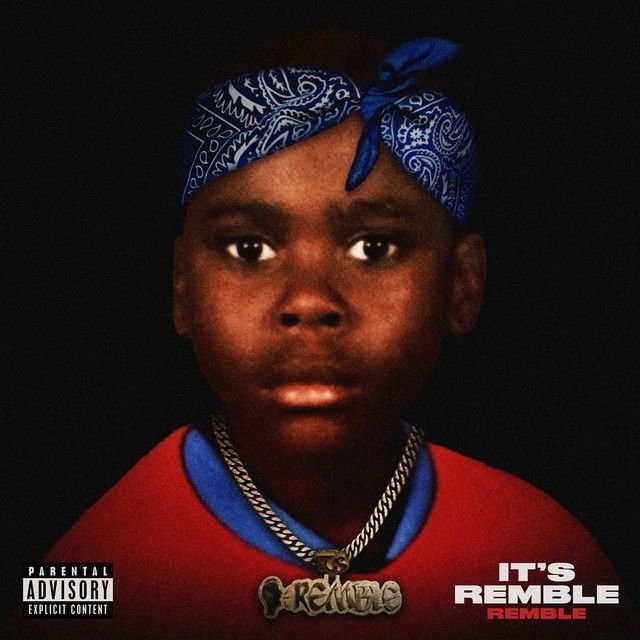
Ted Talk by Remble
The meaning of Ted Talk Remble starts with its smart joke: they treat a street-rap performance like a formal presentation. From the first line, the song asks listeners to pay attention, not just to threats or flexes, but to technique. Remble is not only trying to sound dangerous. They are trying to sound precise, memorable, and in control.
"Ted Talk" - Remble
A TED Talk with a murderous rhyme scheme
A Wheezy out of here cookin' with Tay Keith
Loading lyrics...
Unable to load lyrics
We're unable to display the lyrics at this time. Please try again later.
A Lecture Disguised as a Drill Anthem
At its core, the song is about authority. Remble frames their verse like a public speech, using the title and opening setup to suggest a lesson. When they call it a TED Talk
, they turn rap into a showcase of intellect, timing, and command.
Interpretation: That contrast is the point. A TED Talk is associated with clean stages and polished experts. Remble flips that image and says expertise can also exist in a hard-edged rap setting. The song becomes a masterclass in how they see themself: part hustler, part technician, part storyteller.
This is why the lyrics jump so quickly between money, weapons, future plans, and punchlines. They are not wandering. They are building a persona that can move from street memory to industry ambition without breaking rhythm.

Watch the official Ted Talk
music video
Brag Rap With a Future Plan
One reason the meaning of Ted Talk Remble feels larger than simple aggression is that the song keeps hinting at change. Remble talks about wanting wealth, helping family, and possibly signing a major deal. They also look back at a time when they were, in their words, just a co-defendant
.
That line matters because it gives the song a before-and-after structure. The past is tied to risk, criminal proximity, and low status. The present is tied to buzz, fan recognition, and momentum. The future points toward millions, children, and stability.
So even when the song sounds cold or confrontational, it is also about upward movement. They want listeners to see how far they have come, and how far they think they can go.
Violence as Style and Social Proof
Remble uses violent imagery all through the track, but it is not random. In rap, these lines often function as status language. They show fearlessness, loyalty, and readiness. Here, they also help create the song’s central claim: that Remble is someone people should listen to.
When they say pay attention to me
, they are demanding authority. The threats that follow are part of how that authority gets enforced inside the song’s world. They describe retaliation, robbery, and humiliation as if they are case studies proving credibility.
Interpretation: This does not mean every bar should be taken as literal autobiography. In rap, exaggeration and stylized menace are common tools. What matters most is how these lines build a character who sounds impossible to ignore.
The Rise Story Behind the Flexes
The song also works as a breakout statement. Remble’s profile rose in 2021, and the lyric about the Drakeo co-sign places them within a specific Los Angeles rap context. Drakeo the Ruler was widely recognized for a slippery, conversational style that reshaped modern West Coast rap. Remble’s reference to that approval helps explain why the song feels so confident.
They do not present success as luck. They present it as earned attention. Even a line like it’s Remble
sounds important because it shows name recognition becoming part of the performance. They are documenting the moment when a local voice starts to feel unavoidable.
How the Beat Turns Talk Into Tension
Production is key to the song’s meaning. The beat is spare, hard, and uncluttered, giving Remble room to speak with unusual calm. Instead of yelling through the record, they often sound measured, almost conversational. That makes the details hit harder.
The production credits named in the song itself point to big-name rap beatmakers, and the instrumental style supports that image: heavy low end, crisp percussion, and enough open space for every odd turn of phrase to land. In a different mix, the lyrics might feel chaotic. Here, they feel arranged.
That is why the “talk” idea works. The song sounds like a lecture hall translated into street rap form. The beat does not interrupt them; it frames them.
Wordplay, Comparisons, and Self-Mythology
Some of the sharpest moments come from how fast Remble stacks references. They move from Steve Jobs and Beats to Floyd Mayweather, Kanye West, and Michael Phelps. These names are not there just for pop-culture flavor. They help build a myth.
Each comparison adds a trait:
- Jobs and Beats suggest business vision.
- Mayweather suggests technical dominance.
- Phelps suggests smooth control.
- Kanye suggests anti-establishment ego.
This is where the song gets clever. Remble is not simply saying they are rich or dangerous. They are saying they are elite at performance itself. Even the line about good penmanship
turns violence into writing skill, linking aggression to craft.
What the Ending Really Leaves Behind
By the time Remble signs off with thanks for having me
, the joke comes full circle. They entered like a speaker taking the stage, and they leave like a guest lecturer finishing a session. That closing line is funny, but it is also strategic. It makes the whole track feel organized, as if every flex and threat was part of a presentation.
So, the meaning of Ted Talk Remble is not just that they can rap well. It is that they understand performance as power. The song turns menace into structure, boasts into branding, and survival into a speech about becoming somebody.
Final Take on Remble’s Message
The best way to hear the track is as both a warning and a résumé. Remble uses the language of violence and status, but they also reveal ambition, family motivation, and a hunger for recognition. That mix is what gives the song its edge.
Interpretation: Different listeners will hear different balances between realism, exaggeration, and dark humor. This article offers one reading of the song’s themes, not a definitive statement of Remble’s intent.








