Why "Misty Mountains" Feels Like a Sacred Oath
The meaning of Misty Mountains Richard Armitage, The Dwarf Cast starts with longing, but it does not stay there. The song is not just a fantasy travel tune or a simple treasure hunt anthem. It sounds like a people remembering what they lost and promising, together, to go back for it.
"Misty Mountains" - Richard Armitage, The Dwarf Cast
To dungeons deep and caverns old
We must away ere break of day
Loading lyrics...
Unable to load lyrics
We're unable to display the lyrics at this time. Please try again later.
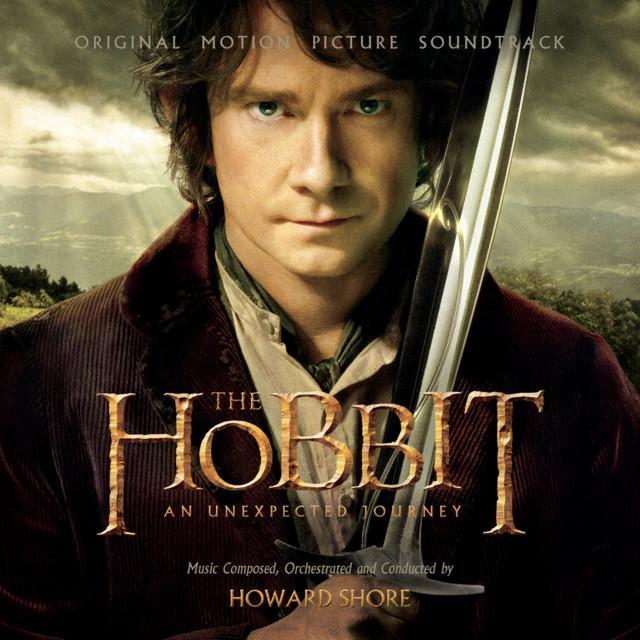
In The Hobbit: An Unexpected Journey, the performance by Richard Armitage and the dwarf cast turns a few compact verses into a statement of grief, pride, and purpose. Within the film, the song introduces the dwarves’ past and their mission, helping frame the larger story of reclaiming Erebor, as described by Warner Bros. and Middle-earth Enterprises.
A Song About Home More Than Gold
At the most basic level, the singers say they must leave before dawn to recover what was lost. The line about long-forgotten gold
sounds material at first, but the emotional weight points to more than treasure. The gold stands for inheritance, homeland, and a broken history.
Interpretation: That is why the song feels mournful instead of greedy. If this were only about riches, it would sound excited or triumphant. Instead, it sounds heavy, as if every step toward the mountain also means walking back into pain.
The opening image, misty mountains cold
, matters because it presents the goal as distant and almost mythic. Home is still there, but it has become remote, dangerous, and covered by time. The mountain is not just a place on a map. It is memory turned into a challenge.
Watch the official Misty Mountains
music video
The Group Voice Makes the Promise Stronger
One of the key reasons the song works is its use of a collective speaker. The repeated idea of we must away
creates a shared vow. No single dwarf owns the mission; they carry it together.
That choice changes the emotional meaning. They are not expressing one hero’s dream. They are performing a communal act of remembrance. In story terms, the song bonds the company. In emotional terms, it makes loss feel inherited across generations.
Why the first-person plural matters
The lyrics never linger on private details. Instead, they move like an old oral tradition, where a people retell their history in compact, memorable images. That makes the song feel older than the moment in which it is sung.
Interpretation: This is why many listeners hear it as part lament, part marching song, and part prayer. Its power comes from sounding collective rather than confessional.
Fire, Wind, and Night: The Images of Ruin
The second half of the lyric shifts from destination to destruction. Nature itself seems to echo disaster: wind moans, pines roar, and flames spread through the trees. The phrase trees like torches
is especially vivid because it turns the forest into evidence of catastrophe.
These details do two things at once:
- They recall the violence tied to the dwarves’ loss.
- They make the quest feel dangerous before it even begins.
- They suggest that the world itself remembers what happened.
The imagery is simple, but it carries a lot of weight. Fire often symbolizes both wealth and ruin in fantasy storytelling. Here, it leans toward ruin. The song does not celebrate battle. It remembers the cost of it.
Far over the misty mountains cold
To dungeons deep and caverns old
That short passage captures the song’s whole structure: distance first, descent second. They are going upward into myth and downward into buried history at the same time.
How the Sound Carries the Meaning
The performance is just as important as the words. In the film, the song begins low and unaccompanied, led by Richard Armitage as Thorin, before the other voices join. That sparse opening gives it the feeling of a ritual rather than a polished pop number.
As the arrangement grows, the harmonies stay restrained. The tempo remains slow, and the deep male voices create a sense of weight and age. The result is closer to a folk dirge or work chant than a modern soundtrack single.
Howard Shore composed the score for The Hobbit: An Unexpected Journey, and the musical world of the film was built to connect with the wider Middle-earth sound established across Peter Jackson’s adaptations, as noted by Decca Records and The Academy of Motion Picture Arts and Sciences. Even without a large instrumental push at the start, the scene feels huge because the voices imply history.
Interpretation: The slow dynamics suggest that the dwarves are not trying to entertain anyone. They are reminding themselves who they are.
Why the Song Lands So Deeply in the Film
Part of the song’s impact comes from placement. It appears early, when the audience is still learning who these characters are. Instead of giving a long speech, the film uses music to explain their emotional center.
That makes the song function as world-building and character-building at once. The dwarves become more than comic companions. They become survivors of dispossession.
For many listeners in the United States and elsewhere, that is why the song stayed memorable long after the movie ended. It is easy to follow, but it feels ancient. It is sad, but it also carries resolve.
Final Reading: A Memory Turned Into Motion
So what is the meaning of Misty Mountains Richard Armitage, The Dwarf Cast? It is a song about going back for what history took away. Treasure is part of that story, but belonging matters more.
The mountains represent distance. The fire imagery represents trauma. The group voice represents survival. Put together, the song becomes a solemn promise that memory will not remain passive. It will move.
That is the reason the song still resonates: it turns loss into action without losing its sadness.
Disclaimer: This interpretation is based on the lyrics, the film context, and widely known production details. As with any song, listeners may hear additional meanings of their own.









