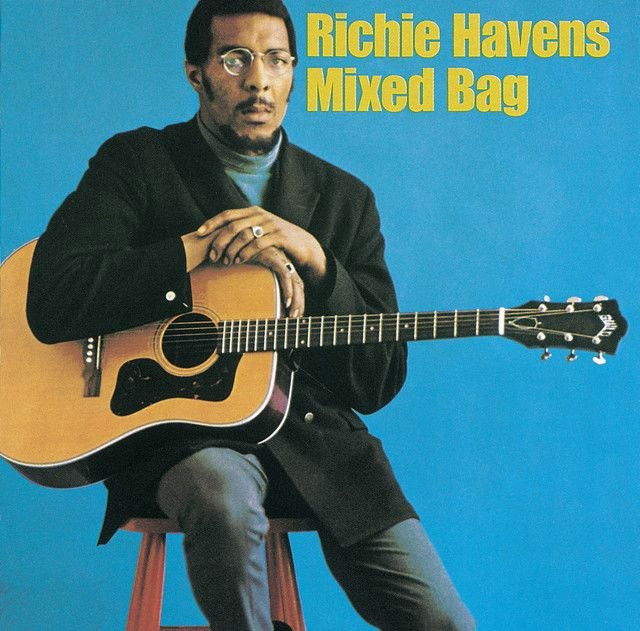
Follow by Richie Havens
The meaning of Follow Richie Havens comes through as both simple and mysterious. On the surface, the song sounds like a gentle invitation from one person to another. Under that surface, it becomes a meditation on trust, perception, and spiritual freedom.
"Follow" - Richie Havens
Climb to the treetops, child, if you're able
Let your hands tie a knot across the table.
Loading lyrics...
Unable to load lyrics
We're unable to display the lyrics at this time. Please try again later.
Richie Havens was known for turning folk songs into intense, searching performances, especially through his rhythmic guitar style and urgent voice. In that setting, “Follow” feels less like a plain love song and more like a guide into a new way of sensing the world. The lyrics keep asking the listener to move beyond ordinary sight, sound, and certainty.
A Song About Trusting More Than Appearances
At the heart of the song, the speaker encourages a childlike openness. They ask the listener to feel, hear, taste, and see differently, often beyond what seems logical. That is why the refrain keeps circling back to uncertainty: things may not be what they seem, and the speaker may be nothing but a dream
.
Interpretation: this does not make the song meaningless. It makes it more spiritual. The dream image suggests that truth may come through intuition, imagination, or inner vision rather than through plain facts.
In other words, the meaning of Follow Richie Havens is not just “come with me.” It is “trust what is deeper than the surface.”

Watch the official Follow
music video
How the Lyrics Move Through the Five Senses
One of the song’s smartest choices is its structure. Each section focuses on a different sense, so the listener is guided through a full-body experience.
Touch, Sound, Taste, and Sight
Early on, the song invites physical contact with the world, including things that seem impossible to grasp. A phrase like touch the things you cannot feel
sounds paradoxical, but that is the point. The song asks the listener to reach for truths that are real even when they are hard to define.
Later, it shifts toward hearing. The line the mocking bird sings
opens a contrast between free, changing music and more rigid sounds like bells. That contrast matters. Nature improvises; institutions repeat.
The song then turns to smell and taste, mixing beauty with social tension. Fresh-cut grass appears beside polluted cities, and sweetness appears beside conflict. These images suggest that life contains both nourishment and struggle at once.
Finally, the lyrics move to vision, asking the listener to close your eyes, child
in order to truly see. That reversal may be the song’s clearest message: insight often begins when ordinary perception stops leading.
Nature Versus the Modern World
Another key to the meaning of Follow Richie Havens is the contrast between natural imagery and human systems. Rivers, trees, birds, gardens, sun, moon, and silver leaves all feel alive and changing. Against them stand church bells, school bells, and choking cities.
This does not necessarily mean the song rejects religion or education. Interpretation: it may simply suggest that formal structures can become too narrow, while nature remains open, sensory, and free. The bird sings many songs; the bell repeats one note. That image quietly sets freedom against conformity.
For an American audience, especially in the late-1960s and early-1970s folk world Havens inhabited, that tension would have felt familiar. Havens often carried messages of human connection, personal freedom, and spiritual searching in his work and public image.
The Speaker Feels Like a Guide, Not a Hero
The voice in the song is intimate, but it is also strangely humble. The speaker does not claim total power. They even step back from certainty, admitting they may be only a dream.
That matters because it changes the song’s emotional tone. Instead of commanding, the speaker invites. Instead of saying “I know everything,” they suggest a path and leave space for the listener to discover it alone.
A short phrase like you can follow
sounds direct, but it is not coercive. It feels more like permission than pressure. The singer becomes a guide, a vision, or perhaps the listener’s own inner voice.
How the Music Supports the Message
Musically, “Follow” fits the singer-songwriter and folk tradition, but Havens’ style gives it extra force. Their performances often relied on strong acoustic guitar rhythm, open tunings, and a voice that could sound both rough and tender. In a song like this, that approach makes the invitation feel urgent rather than sleepy.
The repeated phrases work almost like a chant. That gives the song a hypnotic pull, matching its dream imagery. The listener is not just hearing ideas about altered perception; they are being drawn into that mood through repetition and flow.
Interpretation: if the lyrics are about letting go of rigid perception, then the performance helps enact that release. The groove carries the listener forward even when the images stay elusive.
Why the Song Still Connects
Part of the reason the song lasts is that it avoids one fixed answer. It can sound like:
- a spiritual awakening song
- a folk poem about perception
- a tender address from adult to child
- a countercultural call to freedom
All of those readings fit because the lyrics stay open. The world they describe is unstable, beautiful, and full of invitation. The listener is asked to trust experience, even when certainty falls away.
That is the lasting meaning of Follow Richie Havens: growth begins when people stop assuming that what they sense on the surface is the whole truth. The song invites them to move through the world with more wonder, more humility, and more courage.
Final Thought on the Song’s Message
In the end, “Follow” feels like an invitation to awaken. It asks the listener to trust nature, imagination, and inner feeling over fear or routine. Even when the guide calls themself a dream, the emotional truth still feels solid.
Disclaimer: This interpretation is based on the song’s lyrics, performance style, and cultural context. As with many poetic songs, other readings are possible.







