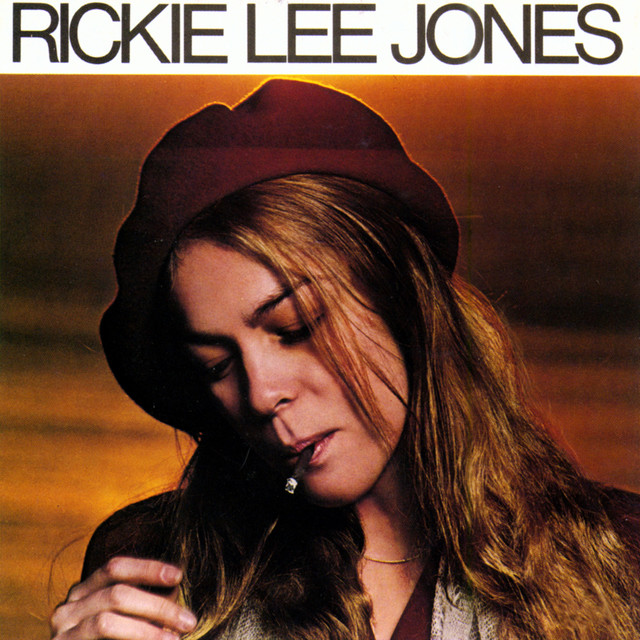
Rickie Lee Jones Turns Memory Into a Haze
The meaning of On Saturday Afternoons in 1963 Rickie Lee Jones comes down to one haunting idea: time moves forward, but the self keeps circling old emotional rooms. The song does not tell a neat story. Instead, it drifts through memory, secrecy, childhood feeling, and the quiet masks people learn to wear.
"On Saturday Afternoons in 1963" - Rickie Lee Jones
Is back where you used to know
If grown-ups could laugh this slow
Loading lyrics...
Unable to load lyrics
We're unable to display the lyrics at this time. Please try again later.
Because the lyric is so compressed, the song works more like a remembered scene than a plot. They seem to be standing in the present while looking back at an earlier inner life. That is why the track can feel both warm and unsettling at once.
A Memory Song That Refuses to Stay Simple
At its core, the song reflects on what survives from childhood into adulthood. Early on, Jones introduces a limit to experience with the phrase back where you used to know
. Paraphrased, the idea is that even as people age, they often return to emotional ground they thought they had left behind.
That backward pull matters. The title points to a specific time, but the lyric does not behave like a literal memoir. Interpretation: 1963 may matter less as a date than as a symbol of early innocence, a Saturday world of slowness, play, and private imagination.
The line about watching the hour snow
deepens that feeling. Time is no longer mechanical; it falls softly, almost visibly. That image turns the passing of years into something dreamy and sad.

Watch the official On Saturday Afternoons in 1963
music video
The Hidden Self at the Center
One of the song’s most important images is the special friend
. On the surface, this sounds like a child’s companion. But the lyric quickly suggests something more inward, something that must be kept safe, or even concealed.
When the song says a person might need something to keep that friend in, it hints at emotional protection. Interpretation: this “friend” may be innocence, fantasy, vulnerability, or the truest version of the self. Instead of naming those feelings directly, Jones wraps them in a childlike phrase.
That choice makes the song more moving. It captures how children often translate intense feelings into imaginary companions, private rituals, or small internal worlds. As adults, they may keep doing the same thing, only with better disguises.
Smiles, Secrets, and the Cost of Growing Up
The sharpest emotional turn comes with the image of the foolish grin
. The lyric suggests a person staying inside that smile, as if the grin were both shelter and mask. Paraphrased, they are using expression to hide what cannot be said.
That links directly to another key phrase: secrets end
. The song seems torn between concealment and exposure. Part of growing up means learning to cover pain, but another part means discovering that secrets do not stay buried forever.
This tension gives the song its ache. It is not simply nostalgic. It shows that memory can be protective, but it can also trap people inside old habits of hiding.
Why the Repetition Hurts So Much
The refrain Years may go by
is brief, but it carries the whole song. Each return to that line widens the emotional frame. What first sounds reflective begins to feel resigned.
Here is the song’s central movement in simple terms:
- It recalls an earlier emotional world.
- It introduces a private self or “friend” worth protecting.
- It shows that protection turning into concealment.
- It ends by measuring everything against passing time.
That last step is devastating because the lyric never promises healing. Time passes, but the old self remains present.
How Rickie Lee Jones’s Style Shapes the Meaning
Rickie Lee Jones is widely known for writing character-rich, jazz-leaning, emotionally slippery songs, especially from the period around her early work and later art-pop explorations. That broader reputation helps explain why this lyric resists plain explanation. Their songs often rely on mood, image, and voice more than direct statement.
For this track, the writing matters as much as any single line. The syntax feels slightly tilted, almost dream-logic. That broken flow mirrors the way memory actually works: not as a clean timeline, but as fragments, flashes, and repeated feelings.
From a production standpoint, the song’s emotional force likely comes from restraint rather than climax. The words invite a hushed setting, where space, phrasing, and vocal nuance carry meaning. Interpretation: when Jones sings these images gently, the performance makes the song feel less like a declaration and more like a recollection overheard.
Two Strong Ways to Read the Song
A portrait of childhood carried into adult life
This reading hears the song as an elegy for innocence. The speaker remembers the imaginative world of childhood and recognizes how adulthood teaches people to hide themselves.
A song about emotional self-protection
This reading focuses less on childhood and more on survival. The “special friend” becomes an inner self, and the smile becomes a coping mechanism. In this view, the song is about the masks people build to keep going.
Both readings fit because the lyric is designed to blur them.
Why the Song Still Lingers
The meaning of On Saturday Afternoons in 1963 Rickie Lee Jones is powerful because it captures a feeling many listeners know but cannot easily name. They may outgrow a place, a decade, or a version of themselves, yet some hidden part remains there, waiting.
That is why the song feels so intimate. It suggests that memory is not just about the past. It is also about the selves people keep tucked away, smiling, secretive, and still touched by time.
Disclaimer: This interpretation is based on the song’s lyrics and artistic context. As with many Rickie Lee Jones songs, ambiguity is part of the design, so other readings may be equally valid.







