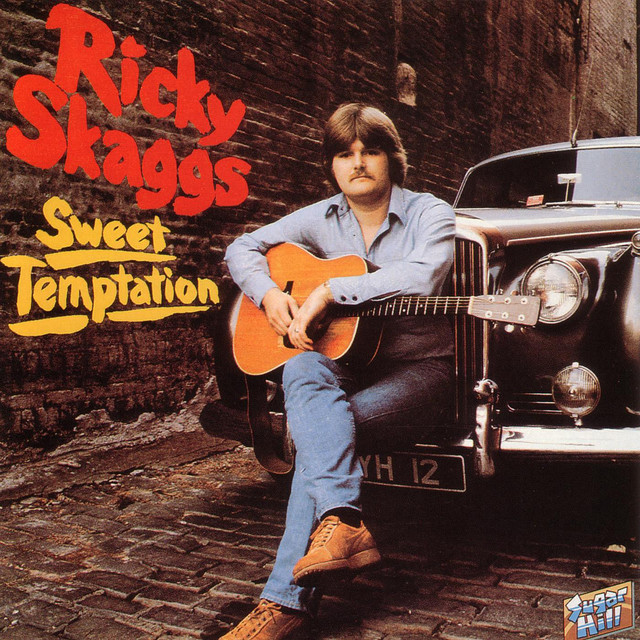
Little Cabin Home On The Hill by Ricky Skaggs
The meaning of Little Cabin Home On The Hill Ricky Skaggs comes down to a simple but powerful idea: a broken heart can turn a home into a monument to memory. The song tells the story of someone left behind, still living with the sounds, sights, and feelings of a lost relationship. In bluegrass fashion, it says a lot with very few words.
"Little Cabin Home On The Hill" - Ricky Skaggs
It seems there's a longing for you still
All i have to do now is sit alone and cry
Loading lyrics...
Unable to load lyrics
We're unable to display the lyrics at this time. Please try again later.
Ricky Skaggs did not write the song; it is credited to Lester Flatt and Bill Monroe, two giants of bluegrass history. That matters because the song carries the plain, direct emotional style that helped define the genre. In Skaggs' hands, that old sorrow feels fresh rather than museum-like.
A Small House, A Big Loss
At the center of the song is one image: the home on the hill. The singer is not just lonely in general. They are lonely in a place that once held love. That detail changes everything.
When the lyric points to little cabin home on the hill
, it is naming both a real place and an emotional world. The cabin suggests shelter, routine, and a shared life built away from noise. Now that same place traps the singer inside remembrance.
Interpretation: The song is not mainly about jealousy or anger. Even when it says someone has taken you
, the focus stays on absence, not revenge. The pain comes from being left with memories that cannot be turned off.

Watch the official Little Cabin Home On The Hill
music video
Who Speaks in the Song
The narrator speaks in first person, but the emotional effect is broad and familiar. They are talking to the absent loved one, while also talking to themselves. That is why the song feels like both a letter and a confession.
Early lines set the mood with the idea of being alone without you
. The speaker is not trying to sound poetic or dramatic. They simply state the fact of loss, and that plainness makes it hit harder.
The emotional timeline
The story moves in a clear arc:
- They spend the night alone.
- The empty home stirs grief.
- They imagine the other person elsewhere.
- They still hope that person will remember what they had.
That last step is crucial. The song does not stay frozen in tears. It reaches outward, asking memory itself to do the work that the singer cannot.
Why the Chorus Hurts So Much
The repeating lines act like a loop of thought. In heartbreak, people often replay one scene or one sentence again and again. This chorus does the same thing musically and emotionally.
listen to the rain
window pane
all alone
Those short details create a closed space. The singer is indoors, separated from the world, hearing weather strike the house. Rain in country and bluegrass songs often signals sadness, but here it does more than set a mood. It becomes the sound of time passing while nothing gets better.
Interpretation: The chorus suggests that grief is repetitive. Every return to the cabin is also a return to the same thoughts.
The Song’s Key Symbols
Bluegrass songs often use simple objects to carry emotional weight, and this one is no exception. Its symbols are easy to picture, which is part of why the song lasts.
The cabin
The cabin stands for shared life, domestic peace, and a humble dream. It is not fancy, but it matters. Losing love in a grand mansion would be one kind of song. Losing it in a small home feels more intimate and more human.
The hill
A hill can suggest distance and separation. The home is set apart, almost like it sits above the world yet outside its help. That makes the singer’s isolation feel stronger.
The rain
The rain turns emotion into sound. The singer does not just feel bad; they hear sadness around them. That sensory detail gives the song a lived-in realism.
How Ricky Skaggs’ Sound Supports the Meaning
Skaggs is widely known for carrying traditional bluegrass into modern country-era audiences, as reflected in his artist biography. That background suits this song perfectly. His approach usually favors clear vocal delivery, strong acoustic picking, and respect for older material.
In a song like this, bluegrass instrumentation does important meaning-work. Mandolin, guitar, fiddle, and steady rhythm create motion, yet the lyric remains emotionally still. That contrast matters: life keeps moving even when the heart does not.
The style of the song also fits the tradition established by Bill Monroe, whose writing helped shape bluegrass as a genre. High, lonesome phrasing is especially important here. It gives sorrow an edge that is not polished or theatrical. Instead, it sounds close, rural, and honest.
A Final Turn Toward Memory
One of the most interesting parts of the lyric comes near the end, when the singer imagines the lost partner reaching the end of the way
and looking back. This is not a threat. It is a plea.
The speaker seems to believe that memory has moral force. Even if love is gone for now, the shared home still means something. In that sense, the song argues that places remember us, even when people move on.
Why the Song Still Connects
The meaning of Little Cabin Home On The Hill Ricky Skaggs stays powerful because it avoids complicated language and trusts concrete images. A house, a hill, rain on glass, and a lonely night are enough to carry deep feeling.
For many listeners, the song is about more than romantic loss. Interpretation: It can also speak to anyone who has sat in a familiar place after life changed and realized that memory can make a room feel full and empty at the same time.
That is the quiet strength of this bluegrass standard. It knows heartbreak does not always explode. Sometimes it just sits by the window and listens.
Disclaimer: This interpretation is based on the lyrics, bluegrass context, and recorded performance history. As with any song, listeners may hear personal meanings that differ from this reading.








