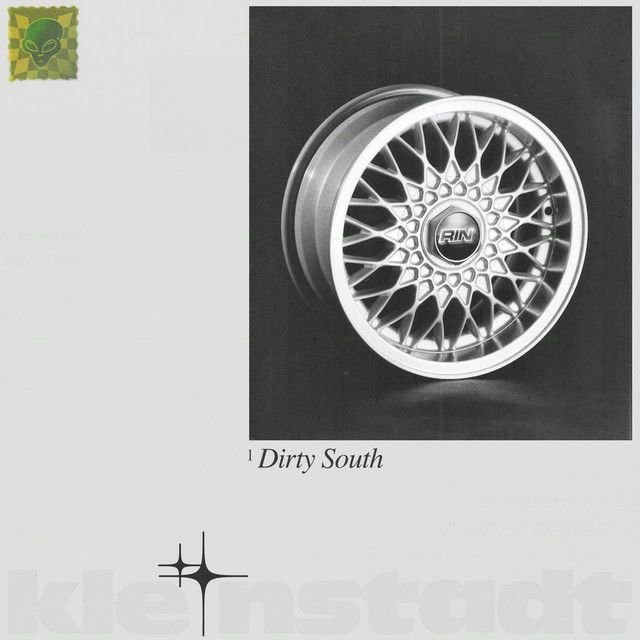
Why Rin’s “Dirty South” Hits So Hard
The meaning of Dirty South Rin comes down to a simple but strong idea: they turn local identity into a badge of success. The song is flashy on the surface, full of speed, wealth, and control. Under that shine, though, it is also about work, survival, and refusing to let a small-town background limit ambition.
"Dirty South" - Rin
Dirty South
(Auf geht's) Dirty South (yeah) BBS (hu)
Loading lyrics...
Unable to load lyrics
We're unable to display the lyrics at this time. Please try again later.
Rin has long blended rap, pop, and sleek modern production in German hip-hop, building a style known for melody, fashion-minded imagery, and sharp hooks. In this song, they use that familiar mix to say that their world is no longer small, even if it started that way.
A Small Place Made to Feel Huge
The opening hook frames the whole track. When Rin says Kleine Stadt, huge Hits
, they compress the song’s main message into a few words. They come from somewhere that may look minor on the map, but the music and impact are anything but minor.
That is why the hook keeps returning to Dirty South
. Interpretation: here, the phrase feels less like a direct copy of the classic American rap label and more like a self-made regional myth. Rin is naming their own territory, then enlarging it through sound, confidence, and repetition.
The line about things being virtuell
adds a modern twist. Their success moves through screens, streams, and online image. The local scene becomes global through digital culture.

Watch the official Dirty South
music video
Brag Rap With Pressure Underneath
A lot of the song sounds like pure flexing. There are cars, designer goods, expensive interiors, and dismissive shots at rivals. But the verses keep hinting that the comfort they have now came after stress and uncertainty.
Rin mentions a mother warning them about cigarettes and then quickly shifts into talking about heavy workload and stress. That brief turn matters. It suggests the lifestyle in the song is not just a party. It sits next to anxiety, bad habits, and constant pressure.
Then the song swings back to status details, like wealth and home decor. That contrast is the point. They are showing a life where luxury exists beside strain, and where success has to be defended every day.
The Chorus as a Victory Lap
The repeated refrain is less about storytelling than branding. When Rin repeats we the best
and pairs it with open roofs and a high-end setting, they create a mood of motion and arrival.
Interpretation: the chorus sounds like a victory lap, but also like self-hypnosis. By saying they are still the best and still making the best sound, Rin reinforces their place in the scene. This matters because the verses keep pointing back to competition. Others are fading; Rin is still present.
The line about taking the roof off and letting worries fly away turns the car image into a symbol. It is not only about showing off. It is about temporary escape from pressure.
Home, Cars, and Furniture as Status Symbols
One of the most interesting parts of the meaning of Dirty South Rin is how ordinary objects become symbols of arrival. The song does not only mention jewelry or fashion. It also names floors, couches, maintenance, and horsepower.
That matters because it makes success feel lived-in. This is not fantasy wealth floating in the air. It is material, domestic, and concrete. Massivholzdielen and a Designer-Couch
suggest permanence. Rin is not borrowing glamour for a night; they are building a world around it.
The car lines work the same way. Open roofs, tire changes, and engine power all point to movement and control. Cars are freedom, but they are also proof of progress.
The “We” Voice Changes the Song
Even though the track is full of ego, Rin often speaks in the plural. The hook says we the best
, and later the song insists, in effect, that they are never leaving.
That small shift from “I” to “we” is important. It widens the song from personal bragging to collective identity. It could mean a team, a hometown circle, or the creative world around Rin.
Interpretation: this makes the song feel less lonely than many flex tracks. They are not just claiming individual greatness. They are pulling a place and a crew upward with them.
Why the Sound Sells the Message
The production style implied by the lyrics is polished, heavy, and fast-moving. Even without formal credits for producers in the provided information, the track clearly leans into a glossy rap sound: hard drums, chant-like repetition, and sharp ad-libs.
That matters because the beat likely does the same job as the lyrics. It makes the local feel large. The hook repeats like a slogan, while the verses jump between deadpan flexes and loose, playful details. The result is a song that feels both expensive and restless.
Rin’s delivery also supports the meaning. They sound casual while saying competitive things. That calm confidence is central to the song’s identity. They do not beg to be seen as important; they act as if that status is already settled.
A Few Key Lines, Decoded
Here are the main ideas the lyrics keep circling:
- Local pride becomes global ambition. The small-city line says origin does not cap potential.
- Luxury is proof, not just decoration. Home goods and cars show success made tangible.
- Stress sits behind the shine. Work and pressure keep peeking through the flexes.
- Competition is constant. Other artists are framed as behind, weaker, or less mature.
- The scene is collective. The repeated “we” turns individual success into shared identity.
Final Take on the Meaning
So, what is the meaning of Dirty South Rin? It is a song about claiming territory, style, and status from a place that others might underestimate. Rin turns small-town roots into a myth of dominance, using luxury details and a polished sound to prove they belong at the center, not the edge.
At the same time, the song works because it lets pressure show through the surface. That tension gives the flexing weight. It is not just wealth for wealth’s sake. It is a statement that they made it, they know it, and they are not giving the space back.
Disclaimer: This interpretation is based on the lyrics provided and general artistic context. Like most songs, “Dirty South” can support more than one valid reading.







