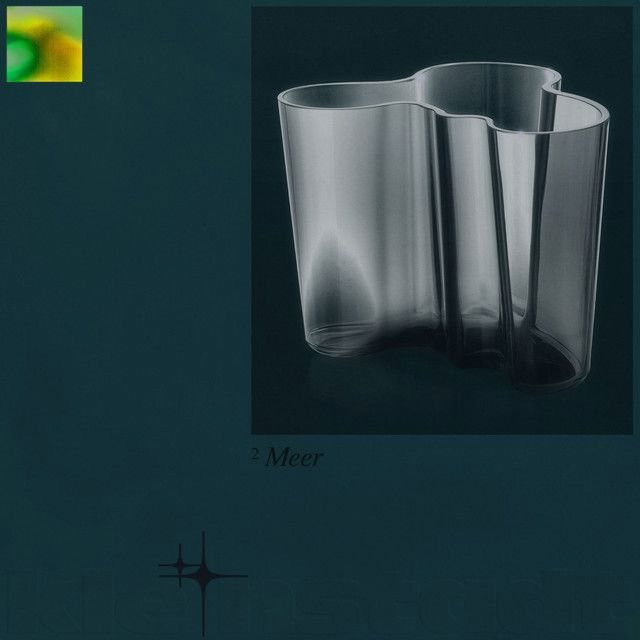
Why 'Meer' by Rin Feels Like Emotional Drowning
Rin’s “Meer” turns a breakup into a stark, almost cinematic image: one person is sinking, and the other simply watches. That is the core of the meaning of Meer Rin. It is not just about sadness after love ends. It is about the pain of realizing the other person has already stepped away emotionally, even while they still stand close enough to see the damage.
"Meer" - Rin
Oh, whoa
Oh, no
Loading lyrics...
Unable to load lyrics
We're unable to display the lyrics at this time. Please try again later.
The song was written by Renato Simunovic and Alexis Troy, according to the credits provided here. Even without a full production sheet, the writing points to a clean, modern pop approach: simple language, strong repetition, and one central metaphor that carries the whole track.
The Heart of the Song Lies in Uneven Grief
The verses list reasons the relationship is falling apart. The speaker hears explanations, blame, and practical causes. There is numbness at the start, shown in the idea that they are both too far gone to feel much anymore. Then the details get more specific: words no longer connect, trust is fraying, and social media seems to make things worse.
A short line like da ist die Tür
shows how final the breakup feels. The partner is not inviting discussion. They are showing the exit.
That is what makes the song hurt. The speaker is not only losing love. They are being told that the reasons have already been decided.

Watch the official Meer
music video
A Sea That Stands for Overwhelming Feeling
The title image does most of the heavy lifting. In the chorus, the speaker says they are drowning in a sea the other person no longer belongs to. Paraphrased, the idea is clear: one person is still trapped inside the emotional world of the relationship, while the other has already climbed out.
Short phrases like ich ertrink'
and Bitte spring ins Meer
sharpen that idea. They frame heartbreak as an emergency. The speaker is not calmly reflecting on loss; they are in crisis, asking the other person to return, or at least to care.
Du schaust zu während ich ertrink'
Im Meer, in dem du nicht mehr bist
This is the song’s central image. One person watches. One person sinks. The emotional imbalance is the point.
Who Is Speaking, and Why Their Voice Matters
The narrative voice is first person, but the emotional design is almost theatrical. The speaker talks directly to a former partner, accusing them of distance while also pleading for connection. That mix matters.
They are not fully angry, and they are not fully resigned. They are still trying to be seen.
That is why a phrase like du schaust zu
lands so hard. The complaint is not only that the relationship ended. It is that the other person can witness the pain and remain passive.
How the Verses Build the Breakup Story
The song unfolds in a clear sequence:
- The speaker names the breakdown: both people feel numb.
- The partner offers reasons and pushes the speaker away.
- Distrust appears, including a reference to a friend noticing a swipe.
- The chorus turns those facts into metaphor: now the speaker is drowning.
- The second half deepens the image, with the partner standing on the dock and turning away.
That dock image is especially effective. If the sea represents emotion, then the dock represents safety, distance, and detachment. The partner is near enough to help, but chooses not to move.
Sound and Structure Support the Meaning
Even from the lyric layout alone, “Meer” appears built around repetition and open vowel sounds—those extended whoa
sections create space around the heavier lines. In pop songwriting, that kind of hook often works like an emotional echo. It lets the listener sit inside the feeling rather than rush past it.
The likely effect is contrast: tight, direct verses followed by a chorus that opens up into a larger, wave-like motion. That suits the sea metaphor well. The repeated refrain probably gives the song its push-and-pull feeling, like rising panic followed by stunned emptiness.
Interpretation: If the production leans atmospheric, that would further support the sense of isolation. A glossy or spacious mix would make the speaker sound small against a larger emotional landscape.
The Song’s Modern Detail: Love in the Age of the Swipe
One smart touch is the mention of a swipe being seen. It places the song firmly in a contemporary dating world, where private tension can suddenly become visible through phones, feeds, and friends. That detail keeps “Meer” from feeling like a general breakup ballad.
Instead, it becomes a modern story about how mistrust grows. A relationship can fail because of big emotional gaps, but also because tiny digital actions start to carry huge meaning.
Two Strong Ways to Read “Meer”
Interpretation 1: The most direct reading is a breakup song about emotional abandonment. The speaker still loves deeply, while the partner has already detached.
Interpretation 2: It can also be heard as a song about communication failure. The real tragedy is not just that love ends, but that both people stop speaking in ways the other can feel. One person explains. The other drowns.
Both readings fit the lyrics because the song keeps moving between practical reasons and overwhelming imagery.
Why the Meaning of Meer Rin Sticks
The meaning of Meer Rin endures because the song captures a very specific kind of heartbreak: not mutual sadness, but uneven collapse. One person is still inside the storm. The other is already on shore.
That imbalance is what gives “Meer” its force. It is simple, visual, and painfully easy to understand.
Disclaimer: This interpretation is based on the lyrics provided and available song credits. As with any song, meaning can remain open to listener experience and artist intent.







