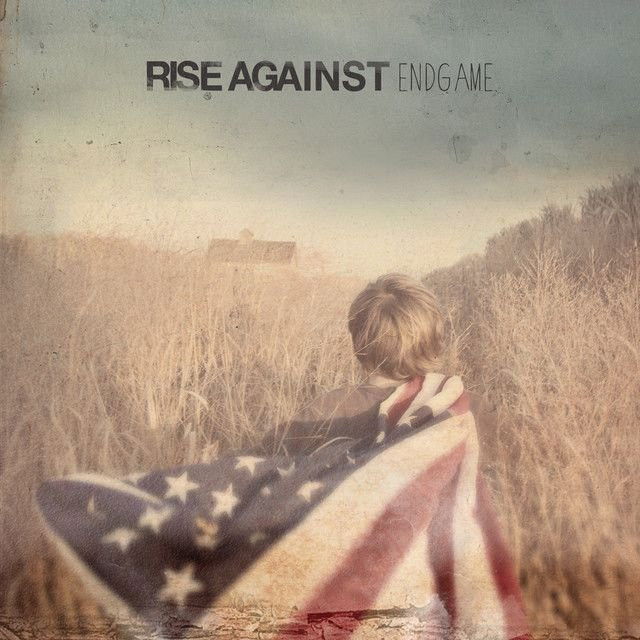
Satellite by Rise Against: Meaning and Message
The meaning of Satellite Rise Against comes down to endurance, escape, and connection. The song turns personal pain into a larger statement about people who feel shut out by the world around them. Rather than wallow in that feeling, they answer it with motion, risk, and solidarity.
"Satellite" - Rise Against
You have to cross the line just to remember where it lays
You won't know your worth now, son, until you take a hit
Loading lyrics...
Unable to load lyrics
We're unable to display the lyrics at this time. Please try again later.
Rise Against released “Satellite” on Endgame, the 2011 album that continued their mix of punk urgency and social critique. The band is known for pairing melodic hooks with political and ethical concerns, and this song fits that pattern. Even without quoting much, the lyrics clearly move between inner struggle and public frustration.
The Heart of the Song Lies in Refusal
At its core, the track says that growth does not come from comfort. The opening ideas all work like hard lessons: people learn value through setbacks, courage through danger, and conviction through pressure. When the song suggests a person must get close to the flame or stand at the edge, it frames life as something understood through lived risk.
That is why the chorus matters so much. When they insist we won't back down
, the line is not just rebellious posturing. It is the result of everything the verses set up. Pain has taught them what matters, so retreat is no longer an honest option.
Interpretation: This makes the song feel like a survival anthem. It is less about winning immediately and more about refusing to surrender identity.

Watch the official Satellite
music video
American Disillusionment, Made Personal
One of the song's sharpest lines is orphans of the American Dream
. In plain terms, they describe people who were told a hopeful national story but do not feel included in it. That phrase broadens the song from an individual struggle into a generational one.
Rise Against often writes about systems that fail ordinary people, and this lyric fits that tradition. It suggests not just disappointment, but abandonment. The promise of success, fairness, or belonging exists in theory, yet many feel left outside it.
Another key contrast appears in game plans and party lines
versus secret plotting at night. The song opposes official talking points with private truth. By day, people follow scripts. By night, they imagine change.
Interpretation: The track can be heard as a quiet protest song. It never becomes overly specific, which lets the message travel. Listeners can apply it to politics, class frustration, or any environment where public rules crush personal hope.
A Rescue Narrative Runs Through the Middle
The song is not only about social anger. In the bridge, it narrows into a scene between two people. One person feels too damaged to face the world, and the response is a plan to leave, heal, and begin again.
This shift gives the song its emotional center. Big ideas about society suddenly become personal stakes. The dream of escape is not abstract anymore; it is about helping someone survive.
We'll sneak out while they sleep
And sail off in the night
Those lines present freedom as movement. They imagine a clean break from fear, shame, or surveillance. The repeated promise of having time left in life pushes against hopelessness.
Interpretation: Some listeners may hear this as a love song hidden inside a protest anthem. Others may hear it as a conversation between any two people trying to save each other from despair.
Why the Satellite Image Matters
The title image is one of the song's most interesting symbols. When the singer says like a satellite
, the comparison suggests distance and dependence at the same time. A satellite circles, sends signals, and can drift out of reach. It is connected, but never fully grounded.
That image fits the song's emotional tension. The speaker wants contact and support, yet feels unstable enough to fall. The plea that follows turns toughness into vulnerability. Beneath the defiance is a need not to be abandoned.
This is why the song works so well emotionally. It mixes strength with fragility. They are brave, but they are not invincible.
How the Sound Carries the Message
Musically, “Satellite” delivers its meaning through speed and lift. Rise Against builds the song with driving drums, tight guitar attack, and a chorus designed to expand rather than collapse. The energy does not feel chaotic; it feels focused.
That matters because the lyrics could have sounded bleak in a slower setting. Instead, the arrangement gives them momentum. The band turns alienation into forward motion.
Tim McIlrath's vocal style also helps. He sings with strain and urgency, which makes the promises sound earned rather than polished. The voice carries both exhaustion and resolve, matching the song's central idea that hope has to fight for space.
From a production standpoint, the song balances punk force with radio-ready clarity, which was part of Rise Against's approach on Endgame. That clean, muscular sound lets the communal chorus land hard without losing emotional detail.
Why the Song Still Connects
The meaning of Satellite Rise Against still resonates because its message is broad but not vague. It speaks to listeners who feel politically disappointed, emotionally cornered, or simply tired of being told to accept the script handed to them.
Its best insight is simple: hardship can sharpen self-knowledge, and solidarity can keep people moving. The song does not promise easy rescue. It promises that refusing defeat is itself a form of survival.
Final Take
“Satellite” is an anthem for people living between collapse and escape. It joins social criticism, personal rescue, and emotional vulnerability in one of Rise Against's most direct hooks.
Interpretation disclaimer: Song meanings are not fixed, and listeners may hear political, romantic, or personal shades differently. This reading is an informed interpretation based on the lyrics, the band's broader style, and the song's musical choices.








