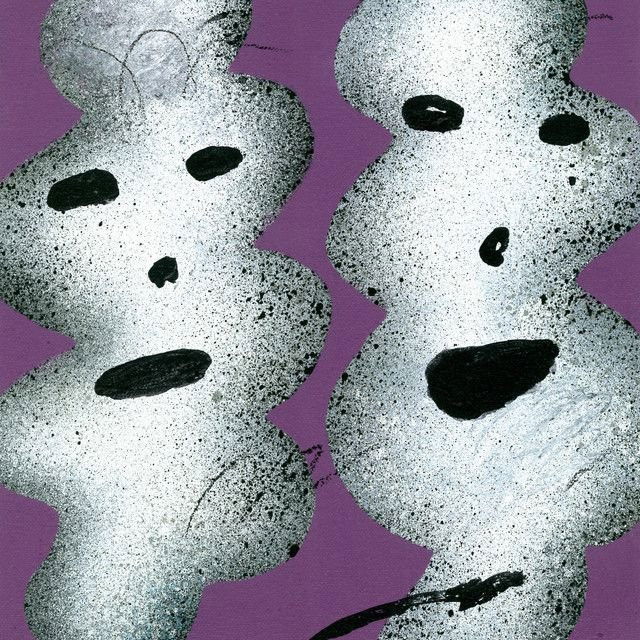
Escalator by Ritt Momney: Half Ghost, Half Grief
The meaning of Escalator Ritt Momney starts with a striking idea: the speaker does not feel fully alive. They describe themselves as damaged, fading, and stuck between presence and absence. Rather than telling a simple breakup story, the song turns emotional pain into ghost imagery, making grief feel physical.
"Escalator" - Ritt Momney
But mind you
I've got some pain so real it came alive
Loading lyrics...
Unable to load lyrics
We're unable to display the lyrics at this time. Please try again later.
Because only the lyrics and writing credits are available here, the clearest reading comes from the text itself. Written by Jack Rutter and James Harmon Stack, the song uses a small set of images—ghosts, dust, broken objects, wounds, and motion upward—to show someone trying to survive after deep hurt.
Where the Song Lives Emotionally
From the opening, the speaker frames themself as more than sad. They feel almost unreal, asking to be seen as a spirit-like figure while also insisting their pain is real. When they say call me a ghost
, the line does not sound playful. It suggests emotional detachment, numbness, and isolation.
That idea gets stronger with halfway dissolved
and less than a man
. Those phrases show a self-image that has broken down. They do not believe they are whole anymore.
Interpretation: This is likely a song about identity collapsing under heartbreak, depression, or trauma. The speaker is still here, but only partly. That “in-between” state is the emotional center of the track.

Watch the official Escalator
music video
A Narrator Who Haunts, Not Lives
The song’s point of view is first person, but the emotional effect is strangely distant. The speaker does not describe direct conversation or clear action. Instead, they drift through space and memory, almost like a person replaying a former relationship from outside their own body.
The image of haunting her halls
matters here. It suggests they are still emotionally attached to someone, but the connection is no longer healthy or mutual. They are lingering, not belonging.
That is why the touch in the verse feels so surprising. Even contact seems unreal to them now. A simple human gesture lands like something they can hardly believe.
The relationship beneath the imagery
The song never explains who “her” is in detail, but the lyrics imply a woman connected to a past intimacy. The speaker seems unable to leave that emotional space behind. They move through it like dust, which is a smart image because dust is present but barely noticed.
Broken Objects, Broken Self
One of the song’s strongest techniques is how it turns emotional damage into visible objects. The phrase broken frame
suggests memory, identity, or a relationship that can no longer hold together. A frame usually preserves something precious. Once broken, it cannot protect the image inside.
Then the song pivots from memory to motion. The speaker says:
Throw it away and start all over
Lift me through a broken plane
This is the song’s one real push forward. But even here, renewal is not clean. Starting over sounds necessary, yet the world they move through is still fractured.
Interpretation: The “broken plane” may represent a damaged reality—an inner world that no longer feels stable. The speaker wants to rise out of pain, but every route upward passes through damage, not around it.
Why “Escalator” Is Such a Strange, Smart Title
The title image does a lot of work. An escalator moves a person without requiring full control. That fits a narrator who feels weak, passive, and carried by forces larger than them. It is movement, but not freedom.
The final image joins that machine-like motion to bodily suffering with my open wound my escalator
. That is the key to the meaning of Escalator Ritt Momney. Pain is not just something the speaker has; it is the thing transporting them.
In other words, hurt becomes the mechanism of change. They are being moved by injury itself.
Sound and Delivery: What the Lyrics Suggest
No verified production credits are available in the supplied context, so any comments on sound have to stay at the level of lyrical implication rather than hard fact. Still, the words strongly suggest a moody, spacious arrangement. Repeated phrases like in me
and on me
imply an echoing structure, the kind of repetition that could feel hypnotic or haunted in performance.
The imagery also points toward a slow-burn style rather than a bright pop approach. Words like ghost, dust, broken, and wound create heaviness. If the arrangement follows the lyric mood, listeners would expect restraint, tension, and emotional swell rather than release.
Two Strong Ways to Read the Song
Reading one: a breakup turned into haunting
The most direct reading is romantic loss. The speaker cannot detach from a woman tied to intimacy and memory. Their selfhood has eroded in the aftermath, and they are trying to be carried toward a new beginning.
Reading two: depression as partial disappearance
A second reading is mental and internal. The woman and the haunted space may be less literal than symbolic. The song could describe depression or dissociation, where a person feels split off from their body, their relationships, and even their own reflection.
Both readings work because the song keeps its language open. It never locks itself into one plot.
Why the Song Sticks
What makes the meaning of Escalator Ritt Momney memorable is its balance of simplicity and mystery. The lyrics are not crowded, but the images are vivid. They give listeners a clear feeling without overexplaining it.
That is why the song lands as both intimate and unsettling. It captures the experience of being hurt so deeply that they no longer feel whole, then finding that pain itself is what carries them forward.
Disclaimer: This interpretation is based on the lyrics provided and available song-credit information. As with most poetic songs, other readings are possible.








