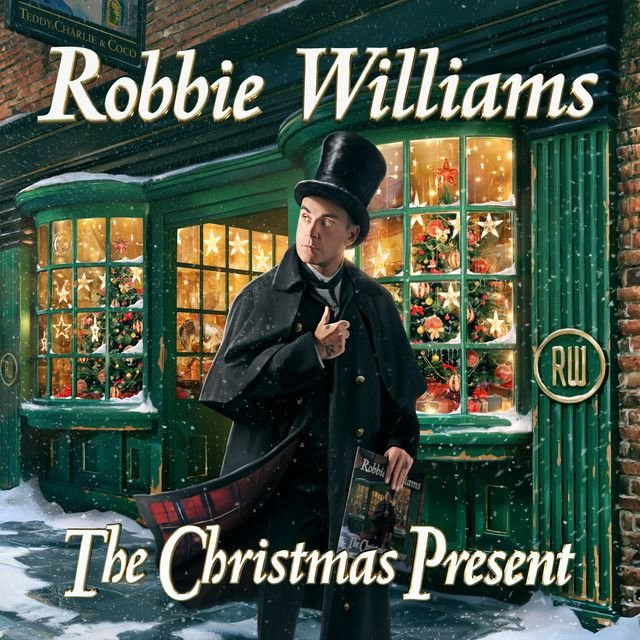
Idlewild by Robbie Williams
A nostalgic confession dressed as a pop memory
The meaning of Idlewild Robbie Williams comes into focus as a story about youth, class, excess, and remorse. Rather than celebrating a wild romance, the song revisits it with guilt. They present a narrator who remembers one dazzling relationship as both thrilling and damaging.
"Idlewild" - Robbie Williams
(Da-da-da, da, da, da)
(Where we met on Christmas Eve)
Loading lyrics...
Unable to load lyrics
We're unable to display the lyrics at this time. Please try again later.
Factually, “Idlewild” is a song by Robbie Williams from The Christmas Present (2019), a holiday-themed album that mixed seasonal songs with original material. The song is credited to Robert Peter Williams, Karl Brazil, and Tim Metcalfe. Those details are consistent with standard album credits and song listings for The Christmas Present and the track itself.
What matters most in the song, though, is how memory works. The narrator cannot stop replaying where it began: Christmas Eve
. That repeated detail turns a real moment into a private myth. It is romantic, but it also feels like evidence in a case against themselves.
Watch the official Idlewild
music video
What the song is really about
At its heart, “Idlewild” is about looking back at a relationship and admitting personal failure. The opening contrast between aristo
and working class
sets up more than biography. It suggests a power imbalance, a social gap, and a sense that the narrator always felt out of place.
From there, the song moves through intoxication, fantasy, and self-deception. The narrator says they were young, altered, and reckless. They admit they talked too much, promised too much, and turned charm into a kind of false hope.
Interpretation: The emotional center of the song is not romance itself, but shame after romance. The narrator does not just miss the other person. They understand they harmed them and are finally able to say so.
The timeline hidden inside the lyrics
The storytelling is one of the song’s strengths. It unfolds in a clear sequence:
- They meet on Christmas Eve.
- They fall into nights of drinking and speed.
- The relationship enters a richer, flashier social world.
- The narrator realizes they sold
a dream
they could not sustain. - Years later, they ask for forgiveness.
This is why the chorus matters so much. It describes nights that felt endless, as if youth could outrun consequences. But each return to the refrain adds irony. What first sounds warm and nostalgic slowly reveals a trail of broken trust.
Why class and glamour matter so much
One of the song’s most interesting details is its social setting. The narrator moves from being an outsider to living in a big old house
around “movie stars and media types.” That shift gives the song a tabloid glow, but the point is not celebrity for its own sake.
Instead, glamour becomes part of the problem. The wealthy setting offers escape, status, and excitement. Yet it also deepens the sense that the relationship is built on performance. The narrator is not grounded. They are trying on a life as much as living one.
Interpretation: In this reading, “Idlewild” is partly about class anxiety. The narrator may feel dazzled by privilege, but also warped by it. Their bad behavior does not come only from substances or immaturity. It may also come from insecurity and the need to impress.
The chorus turns nostalgia into regret
The chorus begins like a shared memory of reckless fun. They drank late, sang loudly, and acted invincible. But then the emotional mask drops. The narrator admits they made promises they could not keep.
That is the key to the meaning of Idlewild Robbie Williams. The song is not asking listeners to admire the chaos. It is showing how easy it is to confuse intensity with love.
The sharpest line in the song may be the admission that they sold the other person a dream
. That phrase is short, but it reframes everything. It suggests seduction through fantasy, not honesty. The narrator knows they were persuasive before they were trustworthy.
How the sound supports the story
Musically, “Idlewild” leans into a warm, accessible pop style with a singalong quality. The repeated syllables at the start and end give it the shape of a memory loop, almost like a crowd chant fading in and out. That makes the song feel communal even though the story is private.
The production also mirrors the lyric tension. The melody is bright and easy to hold onto, while the words carry remorse. This contrast matters. If the arrangement had been dark and stripped back, the song would feel like a direct confession. By keeping it melodic and open, Williams lets regret arrive through nostalgia.
That choice fits their broader songwriting style. They often mix bravado, self-mockery, and vulnerability, letting charm carry harder truths. “Idlewild” uses that balance well: it sounds like a fond recollection until listeners realize it is also an apology.
The final verse changes everything
The closing section gives the clearest emotional statement in the song. The narrator knows the other person has moved on and found love. Instead of trying to win them back, they finally accept responsibility.
I was just a kidI know what I didI ask for forgiveness
This is the only point where the song stops hiding behind atmosphere. There is still no full explanation and no guarantee of redemption. But there is honesty.
Interpretation: That final turn suggests the song is about moral awakening more than heartbreak. The narrator’s pain matters less than their recognition that someone else deserved better.
What “Idlewild” finally leaves behind
In the end, “Idlewild” is a song about how memory can hold two truths at once. A night can feel magical and still lead to damage. A relationship can be exciting and deeply unfair. A person can be young and still responsible.
That complexity is why the song lingers. It remembers the rush, but it does not excuse it. It lets nostalgia play, then quietly corrects it with guilt.
Disclaimer: This interpretation is based on the released lyrics and publicly available song information. As with most songs, some meaning remains open to listener interpretation.









