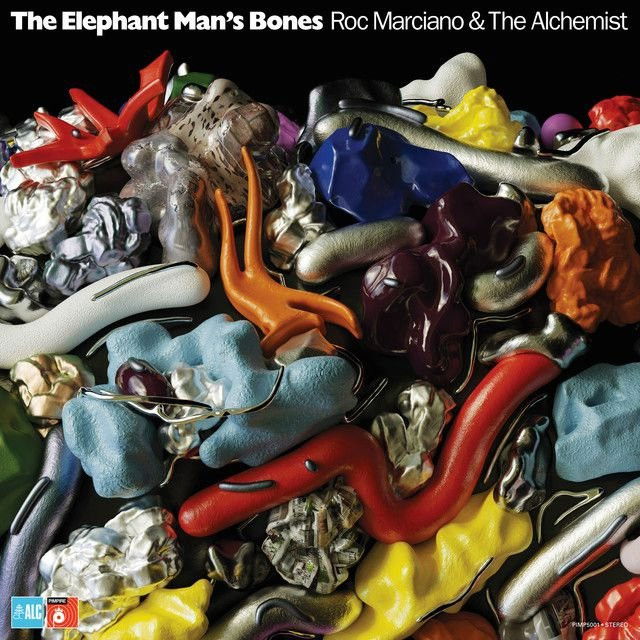
Scars in Silk: Decoding The Elephant Man’s Bones
They came to this track with a clear aim: show the cost of brilliance without losing the glow. If you’re searching for the meaning of The Elephant Man's Bones Roc Marciano, The Alchemist, this title cut reads like a code of survival—equal parts prayer, flex, and confession.
"The Elephant Man's Bones" - Roc Marciano, The Alchemist
Alchemist, Marci' (ooh, ooh)
Yeah, uh, this food for the spirit
Loading lyrics...
Unable to load lyrics
We're unable to display the lyrics at this time. Please try again later.
A Mission Statement Hiding in Plain Sight
Marciano opens by positioning the verse as nourishment: food for the spirit
and sharing a human experience
. Before the boasts or the street talk, he says the art is meant to heal. That stance matters. It frames everything that follows as more than lifestyle rap—it’s testimony.
From there, he toggles between self-myth and self-check. He remembers money moves and dodged pitfalls, but the shine is haunted. The line the pen got pain in it
makes it plain: each clever image is carrying weight. The song argues that technique is only powerful when it drags real scars along with it.
Watch the official The Elephant Man's Bones
music video
Who’s Talking, And Why the Title Bites
This is a first-person monologue. Marciano speaks to anyone listening—fans, peers, doubters—while also talking to himself. The title reaches back to Joseph Merrick, the 19th‑century figure remembered as the Elephant Man. The idea isn’t cheap shock; it’s empathy for those turned into spectacle, and a claim that value lives under what others label as “deformed.”
Across the full album, critics have noted how the duo pairs sinister elegance with reflection. Reviews from outlets like Pitchfork and AllMusic observe that the music is warm yet shadowed, letting the writing feel both luxurious and penitent. This track distills that approach into a single, unbroken verse.
A Verse That Moves Like Memory
Think of the song in beats, not bars:
- He declares purpose and spirit, grounding the flex in craft.
- He recounts the grind and near-misses, hinting at mentors, cops, and hustles that shape his code.
- Distrust creeps in; fame and lust are traps. He insists on control, steering even when the path seems straight.
- The mask slips. He admits he’s
hiding from the mirror
, suggesting shame and hard-earned humility. - Urgency hits:
I ain’t got forever
. The clock is running on growth and repair. - He lands on resolve. He’s been tested—
always swore I was being tested
—but he believes he’s aligned now.
The path is nonlinear, like memory. Flashy images arrive, then the conscience interrupts. The tension between swagger and self-scrutiny is the point.
Symbols That Glow in the Dark
- Mirrors: The mirror signals accountability. If he can’t face himself, no trophy matters.
- Sunlight and “Dr. Sunshine”: The whimsical narrator in the outro casts the verse in a golden wash. Sunlight suggests revelation and warmth, as if the art itself is the daylight he steps into after hiding.
- Steering Wheel: He keeps adjusting it, even on a straight road. That’s discipline—constant course correction.
- Fluorescent Aura: He claims a rare glow that doesn’t fade. The image implies presence you can’t dim, even in harsh light.
- Pop Culture Nods: References to sitcom families and old-school icons place personal struggle inside shared culture. It’s a way to say, “My story is part of the bigger story.”
Interpretation: Together, these symbols turn the track into a rite of self-recognition. He’s not asking for absolution; he’s proving he’s done the work.
The Alchemist’s Beat as Character
The Alchemist paints with keys—pianos, organs, even harpsichord colors—and teases the drums so they barely disturb the surface. Critics have described this album’s palette as elegant, ominous, and lounge‑jazz‑tinged. On the title track, that calm backdrop makes every bar feel deliberate, like a soloist in a dim room.
Production choices carry meaning here. The sparse percussion lets pauses breathe, signaling contemplation. The crisp vocal loop and warm mix place Marciano’s voice in the center, so confessions and flexes hit with equal weight. The sunny, vintage “Dr. Sunshine” tag at the end frames the verse as a lesson you could replay for years.
Other Ways to Hear It
- Interpretation: It’s a survival ledger. Wealth and women are set pieces; the core is craft as salvation. He treats writing like a spiritual practice that keeps him from collapsing under old wounds.
- Interpretation: It’s luxury as armor. Silk images and radiant metaphors protect tender spots. The “Elephant Man” frame says the body may be marked, but the bones—the art—are priceless.
Takeaway for the Casual Listener
Start at the top: note food for the spirit
, then track the moment he admits hiding from the mirror
. When you hear I ain’t got forever
, the urgency clicks. By the time the sunshine voice rolls in, you’ve heard a man pull beauty out of bruises.
Disclaimer: Song meanings are subjective. This reading blends lyrical analysis with public reporting on the album’s context and reception.








