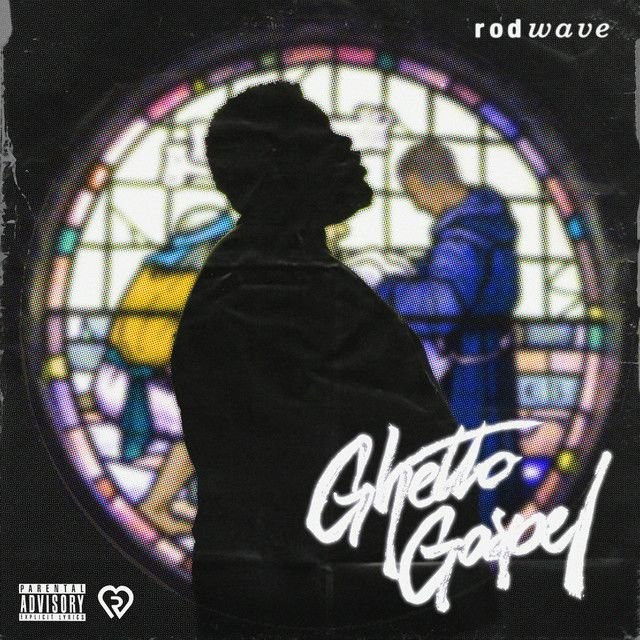
Poison by Rod Wave
The meaning of Poison Rod Wave comes down to a painful idea: the kind of love they want can also be the thing that breaks them.
"Poison" - Rod Wave
Provided by LyricFind(Ayy, that's probably Tago)
I was tryna fuck with lil' what's-her-name, but she be actin' like a fan
She had to tell the world we had, you know what I'm sayin', with the, uhLoading...Loading lyrics...
Unable to load lyrics
We're unable to display the lyrics at this time. Please try again later.
Why This Song Hurts So Much
Rod Wave often builds songs around emotional conflict, and “Poison” fits that pattern. On the surface, it is a breakup song. Under that, it is about what happens when heartbreak reopens older wounds that never fully healed.
The main feeling is summed up in the hook, where love is described as poison
. That image matters because poison does not just hurt once. It spreads, stays in the body, and changes how a person feels. In this song, romance seems to do the same thing.
Interpretation: Rather than saying love itself is always bad, the song suggests that damaged love feels dangerous when someone already carries deep pain.

Watch the official Poison
music video
A Voice Trapped Between Need and Distrust
The narrator speaks in first person, but the emotional logic is easy to follow. They want closeness, yet they no longer trust what closeness brings. That tension powers the entire track.
In the verse, they admit being unable to rest and hearing voices
late at night. Paraphrased, the line points to racing thoughts, doubt, and mental overload. This is not just sadness after a breakup. It sounds like someone whose mind keeps replaying disappointment.
Another key moment is the confession that they have too much on their chest. That phrase frames the song as emotional pressure without release. They are not only mourning one person; they are carrying years of buried hurt.
The Story Inside the Lyrics
From comfort to collapse
The central story is simple and effective:
- They had someone who made loneliness easier to bear.
- That person left or let them down.
- The loss brought back old feelings of abandonment.
- Now they pull away from love before it can wound them again.
One of the clearest ideas in the verse is that the other person helped them forget their pain, then made them remember it. That emotional reversal is the song’s turning point. For a short time, the relationship acted like relief. After it failed, the pain returned even harder.
Isolation as self-protection
The song then moves into retreat. They describe being alone, cutting off the phone, and feeling like they do not get along with others. The short phrase thuggin' dolo
is important here. It sounds tough, but in context it is not a victory lap. It is a lonely defense mechanism.
Interpretation: The hard exterior seems less like confidence and more like armor. They would rather isolate than risk being hurt again.
What the Chorus Really Means
The chorus is the emotional center of “Poison.” It repeats the same ideas because the speaker is stuck in the same cycle: no sleep, intrusive thoughts, unresolved pain, and the sense that they gave everything they had.
The line about demons still stalking me
gives the song a larger meaning than romance alone. The breakup appears to trigger older battles with fear, trauma, or depression. Love did not create every wound, but it exposed them.
That is why the hook feels bigger than a simple complaint about an ex. It is about how one failed relationship can confirm a person’s worst beliefs about themselves and others.
Sound That Matches the Message
Rod Wave’s music usually blends melodic rap with Southern soul and pain-heavy delivery, and “Poison” uses that style well. The production, credited in the provided context to Aaron Owuor Tago and Tyler Javeon Lewis as co-writers with Rodarius M. Green, supports the song’s mood through repetition and space.
The beat feels sparse and nocturnal. Instead of pushing the song forward with energy, it lets the vocal sit in the open. That creates a lonely atmosphere, like the late-night pacing described in the lyrics.
The repeated hook also matters musically. It mirrors obsessive thinking. When the chorus comes back again, it feels like the same pain circling in the speaker’s mind.
Rod Wave’s vocal style carries a lot of the meaning too. They often sound like they are half-rapping, half-confessing. In “Poison,” that blurred delivery helps the song feel intimate rather than theatrical.
Artist Context Helps Explain the Song
Rod Wave has built a career on songs that mix street survival, vulnerability, and heartbreak, as heard across releases documented on Billboard and Apple Music. “Poison” fits that larger artistic identity.
That context matters for the meaning of Poison Rod Wave because the song does not treat emotional pain as a side topic. For this artist, pain is often the main subject. Love, fame, trust, and loneliness all blend together.
The spoken intro also fits that world. It sounds defensive and irritated, especially around being treated like a spectacle instead of a real person. Even before the chorus starts, the song frames intimacy as something complicated by exposure and disrespect.
Two Strong Readings of “Poison”
Reading one: a breakup song
At the most direct level, this is about a failed relationship. Someone gave the speaker hope, then left them feeling emptied out and guarded.
Reading two: a song about patterns
Interpretation: The bigger idea may be that the speaker keeps repeating the same emotional pattern. They want love, feel briefly healed by it, then end up deeper in pain. In that reading, the true poison is not only one person. It is the cycle of dependency, loss, and withdrawal.
The Lasting Meaning
“Poison” resonates because it shows how heartbreak can awaken older pain instead of staying in the present. The song is less about blame than emotional fallout.
For many listeners, that is why it lands so hard: it captures the moment when love stops feeling healing and starts feeling risky. That is the core meaning of Poison Rod Wave.
Disclaimer: This article offers interpretation based on the lyrics, performance, and publicly available artist context. Song meaning can remain open to personal listener experience.









