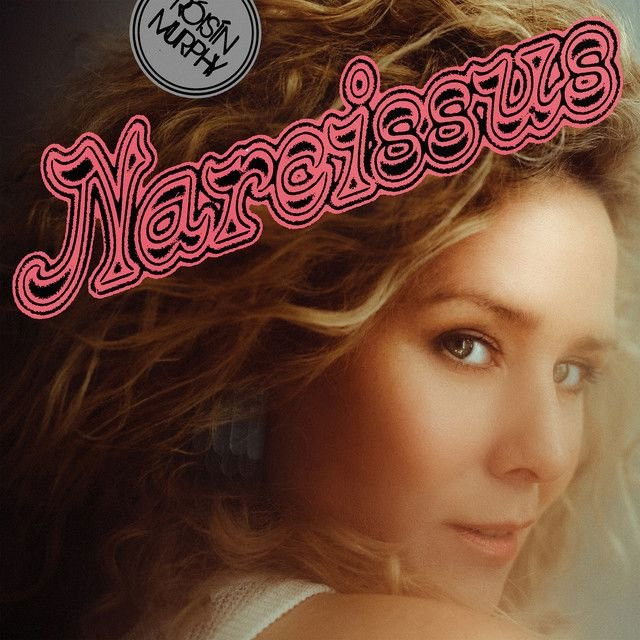
Why 'Narcissus' Turns Vanity Into Tragedy
The meaning of Narcissus Róisín Murphy comes down to one idea: self-obsession can feel glamorous on the surface, but it leaves people emotionally stranded. Murphy takes the old Greek myth and turns it into a sleek dance track about longing, refusal, and the pain of loving someone who cannot truly love back.
"Narcissus" - Róisín Murphy
Being left, being left with me
Narcissus
Loading lyrics...
Unable to load lyrics
We're unable to display the lyrics at this time. Please try again later.
Released as a single in 2019 and later included as track nine on Róisín Machine in 2020, Narcissus
sits inside an album shaped by disco, house, and extended club music textures. According to album credits summarized by Róisín Machine's documentation, the song was written by Róisín Murphy and Richard Barratt, with Barratt producing the album's sound world.
The Myth Beneath the Mirror
At its core, the song retells the myth of Narcissus, the beautiful figure who becomes trapped by his own reflection. Murphy does not just retell the story for decoration. They use it to examine emotional blindness.
The lyrics frame Narcissus as both alluring and doomed. When the song calls his story the saddest story ever told
, it shifts the myth away from simple vanity and toward pity. This is not just a song mocking a selfish person. It is a song about someone unable to receive love even when it is right in front of them.
Interpretation: That is why the track feels more tragic than angry. The speaker seems hurt, but they also sound compassionate. They can see that Narcissus is not powerful in any lasting sense. He is trapped.
Watch the official Narcissus
music video
Who Is Speaking in the Song?
One of the most revealing parts of the lyric is the line about I, the nymph
. That strongly suggests the speaker is linked to Echo, the mythic figure who loves Narcissus but cannot reach him.
This matters because it changes the emotional center of the song. Instead of hearing the myth from the outside, listeners hear it from the side of the rejected lover. The repeating phrase being left with me
sounds like a cry from someone abandoned while still full of feeling.
A Voice That Pleads, Not Just Accuses
The speaker does not simply condemn Narcissus. They offer an alternative. The song suggests they could teach him how to feel, how to understand, and how to choose real intimacy over a surface image.
Interpretation: That makes the song feel like a last attempt at rescue. The speaker knows the ending may already be set, but they still reach out.
How the Lyrics Build the Theme
Murphy keeps the writing simple and ritual-like. The repeated title and refrain work almost like a chant. That repetition mirrors obsession itself.
A few lyric moments guide the whole meaning:
the saddest story ever told
casts the myth as emotional ruinyour own reflection
points to self-fixationWhen love is here
contrasts fantasy with real connectionNarcissus dying
reminds listeners that the myth ends in loss
The song's argument is direct: loving only the self is not freedom. It is a dead end. Even the promise of beauty or control becomes empty if it blocks mutual love.
The Chorus Feels Like a Spell
The hook is one of the track's smartest choices. Its repetition makes the song feel circular, as if Narcissus is stuck in a loop he cannot break.
Being left, being left
being left with me
Narcissus
This brief refrain suggests two kinds of abandonment at once. First, the speaker is left behind by the beloved. Second, Narcissus is left alone with himself, which may be the greater punishment.
Interpretation: That double meaning is central to the song's power. The one who rejects love and the one who offers it both end up lonely.
Why the Sound Matters So Much
The meaning of Narcissus Róisín Murphy is not only in the words. It is also in the arrangement. Róisín Machine marked a strong move toward club-focused disco and house styles, and critics widely noted the album's polished, dance-driven focus. On this track, that sleekness matters.
The beat gives the song elegance and motion, but the lyric tells a mournful story. That contrast creates tension. The listener can dance to it, yet the emotional core stays sad.
There is also a theatrical quality in Murphy's vocal delivery. They sound poised rather than messy, which fits the song's mythic framing. The strings credited on track nine add drama and a faint sense of old-world tragedy inside a modern disco setting.
Production Context
Barratt produced Róisín Machine across years of collaboration with Murphy, often working remotely while Murphy recorded vocals at home. That long creative process helps explain why the album feels detailed and sculpted rather than rushed. It also fits a song like Narcissus
, where the surface sounds beautiful but every layer serves the theme of distance and desire.
A Modern Reading of the Myth
Even without naming social media or celebrity culture, the song feels current. Many listeners may hear it as a warning about image-driven living: the self treated as a brand, the mirror replacing intimacy, appearance replacing understanding.
Interpretation: In that reading, Narcissus is not just a figure from myth. He is a modern type. The song asks what happens when a person becomes unreachable because they are too busy admiring or defending themselves.
That idea also connects to the lyric about protection. The song suggests that emotional armor can look like control, but it may really be fear.
The Lasting Meaning of "Narcissus"
What makes the track memorable is its balance of style and sorrow. It turns a famous myth into a human relationship drama and then wraps that drama in sophisticated disco. The result is both catchy and cutting.
The best way to understand the meaning of Narcissus Róisín Murphy is this: it is a song about the tragedy of refusing real love when it is offered, and about the loneliness waiting on both sides of that refusal.
Disclaimer: This interpretation is based on the released lyrics, the song's mythic references, and documented album context. As with any art, listeners may hear other valid meanings.









