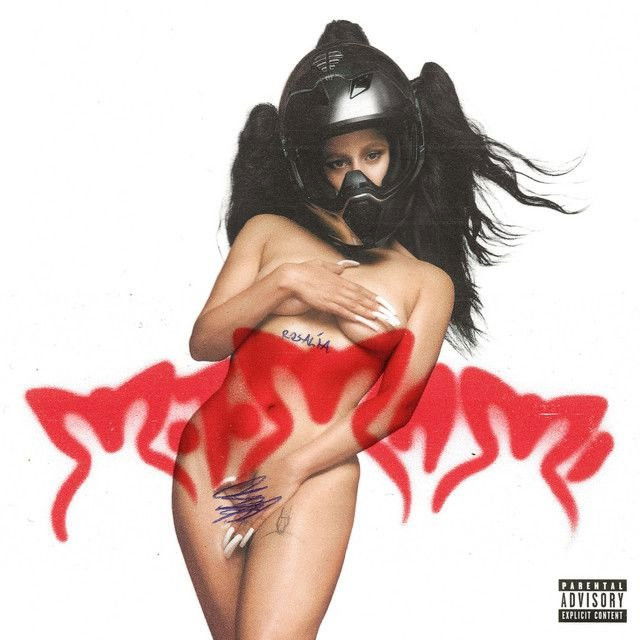
The Meaning of 'SAOKO' by Rosalía
Rosalía opens Motomami with a roar, not a whisper. If you’re searching for the meaning of SAOKO Rosalía, think movement: bodies, engines, styles, and selves in constant shift. The chant Saoko, papi, saoko
is both homage and ignition—rooted in reggaeton history while flooring the accelerator into the future.
"SAOKO" - Rosalía
Saoco, papi, saoco
Saoco, papi, saoco
Loading lyrics...
Unable to load lyrics
We're unable to display the lyrics at this time. Please try again later.
A Ride Built on Transformation, Not Just Swagger
Fact: saoco/saoko is Puerto Rican slang for standout rhythm and flavor, and the track nods to Wisin and Daddy Yankee’s classic “Saoco” via interpolation. But Rosalía repurposes that DNA to build a manifesto. The song’s central thesis is simple and bold: yo me transformo
—I transform—becomes a creed.
Interpretation: She isn’t running from identity; she’s expanding it. Each new image, from Makeup de drag queen
to high-fashion pearls, says that taste and gender performance are tools—armor she can don or discard. Change is the point.

Watch the official SAOKO
music video
Who’s Speaking, and What Are They Claiming?
The narrator is clearly first person, addressing anyone who underestimates her range. A key line—Yo manejo, Dios me guía
—balances control with faith. They drive; a higher force guides. The posture is confident, but not careless.
Interpretation: That tension mirrors Motomami’s dual title—motor (speed, grit) and mami (tenderness, tradition). In “SAOKO,” the motor dominates, yet the compass stays spiritual.
What Actually Happens: The Beat-by-Beat Map
- The opening call—
Saoko, papi, saoko
—frames lineage and rhythm as authority. - Verses hurl quick images of metamorphosis: pearls that aren’t pearls, ice that won’t melt, night flipping to day. The point is not realism but velocity—everything can change.
- The refrain
yo me transformo
stamps that thesis in steel. - Pop culture flashes (fashion houses, celebrities) become mirrors for self-reinvention.
- The breakdown chants craft over styling—
Tela y tijera
—a DIY ethic over industry rules.
Symbols That Shift: From Pearls to Trojans
Rosalía stacks symbols like runway looks:
- Pearls and couture: Status is mutable; value changes once it’s worn by a new self.
- Ice and day/night flips: Time and matter obey her artistic will—change is constant.
Cuando el caballo entre a Troya
: The Trojan horse hints at infiltration—entering a genre’s city and setting a controlled fire from within.- Drag and peacock imagery: Performance, spectacle, and chosen presentation aren’t fake—they’re freedom.
Interpretation: These symbols argue that identity is crafted, not assigned. She treats style and myth as tools, not cages.
How the Sound Engineers That Metamorphosis
“SAOKO” lasts just 2:17, but it’s dense. The production fuses experimental and alternative reggaeton with industrial textures, a distorted piano riff, and even a brief jazz-like interlude tracked at Electric Lady Studios. Producers include Rosalía, Noah Goldstein, Dylan Wiggins (Sir Dylan), and Michael Uzowuru—names associated with boundary-pushing sound design.
Interpretation: The battered piano tone feels like metal on asphalt—ugly-beautiful, kinetic. Drums slam in clipped patterns, while engine-like synths mimic acceleration. It’s not just about speed; it’s about torque. The beat lurches and surges, mirroring an artist ripping out of old frames.
Video Imagery: Motomami on Two Wheels
Directed by Valentin Petit and filmed in Kyiv, the video casts Rosalía with an all-women biker crew. The staging—gas stations, overpasses, armored silhouettes—turns the street into a catwalk-meets-speedway. Styling nods to high fashion while staying road-tough.
Interpretation: The biker pack externalizes the song’s pulse—sisterhood, power, and motion. Editing is razor-sharp, syncing visual cuts to the song’s industrial snap. No wonder it later earned a major editing award.
Alternate Readings and Why They Matter
- Genre Trojan horse: By interpolating a reggaeton classic, she enters the form respectfully, then rewires it from inside. The message: innovation can be homage.
- Feminine and queer-coded power: References to drag, make-up, and peacocking align with communities where transformation is survival. Here, fluid identity equals strength.
- Anti-gatekeeping stance: When she pivots from stylists to
Tela y tijera
, it favors craft over clout—make your own cut, literally.
Interpretation: None of these cancel the others. “SAOKO” thrives because it holds multiple truths in motion.
Takeaway: Own the Change
For listeners in the U.S. and beyond, the meaning of SAOKO Rosalía lands like a driver’s lesson: transformation isn’t a phase; it’s the vehicle. The hook celebrates rhythm as heritage, but the engine is risk. In “SAOKO,” identity isn’t fixed—it’s customized in real time.
Disclaimer: Song meanings are interpretive; artists and listeners may understand the work differently over time.








