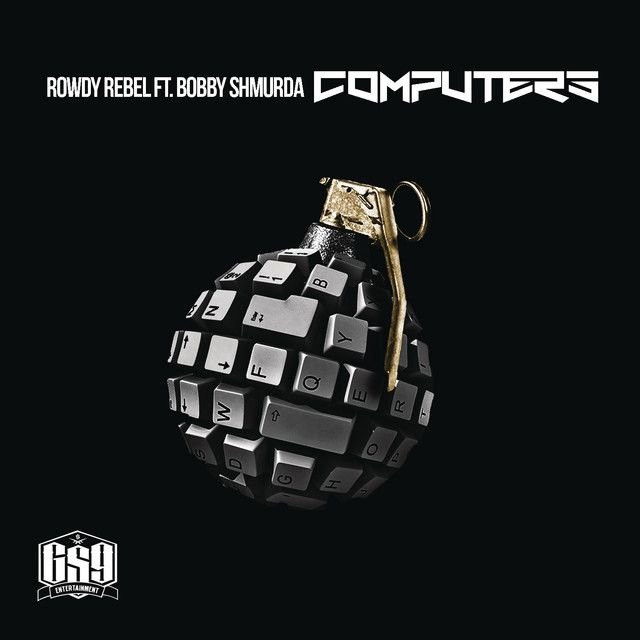
Computers by Rowdy Rebel, Bobby Shmurda
They open with a thesis line that sets everything in motion: All these social networks and these computers
. Right away, the song frames a clash between online posturing and real-world accountability. The hook and verses push a single idea—talk is cheap when it’s typed. Actions are proof.
"Computers" - Rowdy Rebel ft. Bobby Shmurda
All these social networks and these computers
Got these niggas walking round like they some shooters
Loading lyrics...
Unable to load lyrics
We're unable to display the lyrics at this time. Please try again later.
When the Internet Stops Protecting You
The core meaning of Computers is a critique of digital bravado. The narrators say that many people act tough behind screens but fold when confronted—see them in real life
tells you where the truth shows up. This isn’t a public service announcement; it’s a warning about reputation, consequences, and the gap between image and reality.
Interpretation: The track is less about technology and more about authenticity. “Computers” becomes a symbol for a world where status is built on posts and comments. In their view, the street still uses older metrics: loyalty, fearlessness, and follow-through.

Watch the official Computers
music video
Who’s Talking, and Who’s Being Checked
Two distinct voices drive the song. Rowdy Rebel’s raw, percussive delivery sets the tone. Bobby Shmurda enters with high-charge ad-libs and vivid boasts, puncturing the beat with attitude. Together, they speak in first person to a second-person “you”—anyone broadcasting threats from a safe distance. When one says I ain't come to talk
, the point is clear: conversation is over; proof is action.
They also speak to their own circle. Shout-outs to friends, the fallen, and the crew establish a code. Inside jokes and nicknames turn the verses into a roll call. The message doubles: outsiders get warnings, insiders get loyalty.
A Street Timeline in Snapshots
The narrative jumps like a highlight reel. One moment, there’s sudden success—brand new shmoney
—and the next, they’re on the move across cities. There are images of rides, cash, jewelry, and weapons. Then, the tone shifts to grief and duty: they pour out for lost friends and promise retaliation. Court dates intrude, hinting at pressure beyond the mic.
These scenes don’t read like a single day; they feel like a cycle. Money comes, enemies talk, someone crosses a line, and the drama returns. The internet accelerates it, but the decisions happen face-to-face.
Symbols That Click: From “Computers” to “Shmoney”
- Computers: shorthand for “keyboard warriors” and clout culture. It’s the foil to real-world consequences.
- Shmoney: new wealth as proof of progress. It’s a chant for survival turning into success, but it also stirs envy and conflict.
- Flags and crew names: visible identity and solidarity, with risk attached. Visibility invites rivals.
- “Gingerbread”/bread: money-hunting as a constant road trip, chasing the next bag.
I think that I'm Tom Cruise
: the stunt image. It’s swagger and self-mythmaking—turning danger into a movie scene.
Interpretation: These motifs tie status and risk together. The more they win, the more they attract the very smoke they call out.
How the Sound Drives the Point Home
The beat sits in the Brooklyn drill lane: tense minor-key textures, snapping snares, and heavy low-end. It feels like motion—urgent and forward-leaning. Rowdy’s voice is gravel; Bobby adds sparks and ad-libs that make threats feel like crowd chants. The mix leaves space for their lines to land hard, so every name-drop and warning snaps to the front.
Production-wise, the sound is stripped enough to keep the focus on delivery and details—sirens of synths, sliding bass, and drums that keep the pace relentless. The musical mood mirrors the theme: if the hook calls out empty talk, the beat supplies the muscle.
Two Ways to Read the Fury
- Interpretation: Performance of power. The song acts like a reputation engine. Boasts, warnings, and crew roll calls solidify an image that discourages challenges.
- Interpretation: Grief and stress behind the noise. References to lost friends and looming court dates suggest trauma fueling the aggression. The rage is a shield as much as a weapon.
These readings can coexist. One doesn’t cancel the other; both explain why the track resonates.
Why the Hook Hits Again and Again
Each return to the central idea resets the stakes. All these social networks and these computers
isn’t just a catchy line; it’s a test of credibility. If image is the new currency, they demand receipts that exist off-screen.
Final Takeaway
For listeners asking about the meaning of Computers Rowdy Rebel, Bobby Shmurda, it’s this: the internet can boost your image, but it can’t save your face. The song turns clout into a liability and uses street snapshots to show why.
Behind the bravado are grief, loyalty, and a scramble for money that never really stops. Call it a warning, a memorial, and a victory lap—played at full volume.
Disclaimer: Song interpretations are subjective. This article offers analysis based on the recording and public context, not the artists’ own statements.
Sources
- https://genius.com/Rowdy-rebel-computers-lyrics
- https://www.nytimes.com/2014/12/18/nyregion/rappers-bobby-shmurda-rowdy-rebel-arrested.html
- https://www.billboard.com/music/rb-hip-hop/bobby-shmurda-arrested-gs9-explainer-6406526/
- https://www.hotnewhiphop.com/55175-rowdy-rebel-computers-feat-bobby-shmurda-prod-by-jahlil-beats-new-song








