What "Dangerous" by Roxette Is Really Saying
The meaning of Dangerous Roxette comes down to attraction mixed with alarm. The song describes a person who feels pulled toward someone magnetic, but also sees warning signs everywhere. That tension gives the track its spark: desire is exciting, but it can also feel like losing control.
"Dangerous" - Roxette
You're moving into my heart and into my soul
Get out of my way, get out of my sight
Loading lyrics...
Unable to load lyrics
We're unable to display the lyrics at this time. Please try again later.
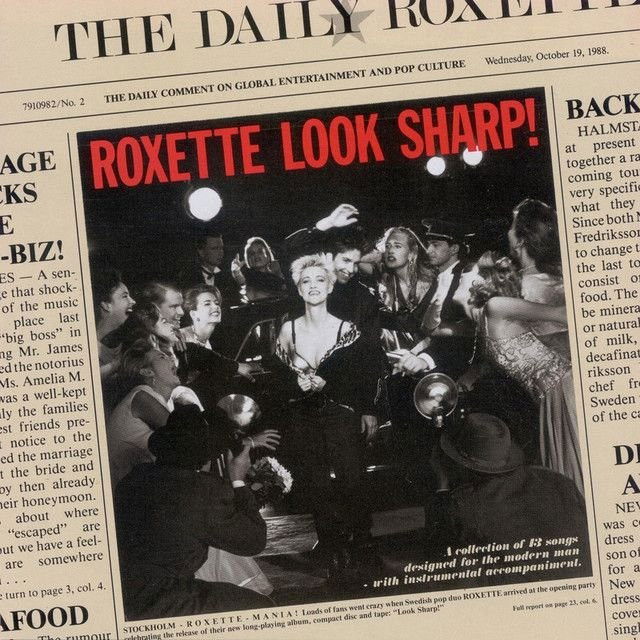
Released during Roxette's global breakthrough era, “Dangerous” fits the duo’s gift for turning emotional confusion into bright, hook-heavy pop. Per Gessle wrote the song, and Roxette issued it on Look Sharp! as part of the run that made them international stars, according to the band's official discography and major chart archives (Roxette, Billboard).
A Pop Song About Attraction That Feels Risky
At its core, the song is not really about crime or literal danger. It is about emotional risk. The narrator meets someone who enters fast, takes up space, and unsettles their judgment. Early lines suggest that this person seems to move right into the narrator’s inner life, almost before trust has been earned.
That is why the chorus lands so hard with little bit dangerous
. The phrase sounds playful, but it also carries a real warning. This person is seductive because they seem unpredictable. They are not just attractive; they are powerful enough to change the narrator’s behavior.
Interpretation: The song treats danger as part of desire itself. The more mysterious the person seems, the harder they are to resist.

Watch the official Dangerous
music video
The Push-Pull Voice at the Center
One of the smartest things in the lyric is how often it swings between invitation and defense. The narrator sounds drawn in, then suddenly tries to create distance with phrases like get out of my way
. That does not read as calm confidence. It sounds like someone trying to talk themselves out of a bad idea.
There is also a strong sense of not fully knowing the other person. When the narrator says I don't know your name
, the point is not simple forgetfulness. It suggests a connection based on chemistry, appearance, and instinct rather than trust or history.
Mystery Makes the Attraction Stronger
The song keeps asking questions: who is this person, what do they want, what is their game? Those repeated doubts create the emotional plot. The narrator is not in a steady romance. They are caught in a charged encounter where uncertainty is part of the thrill.
Hold on tight
you know she's a little bit dangerous
This brief hook works like a warning label and a dare at the same time. It tells the listener to brace for impact while also making the experience sound irresistible.
How the Verses Build the Song's Theme
The verses are full of collision. One moment, the other person seems almost angelic; the next, they feel manipulative or impossible to read. That contrast matters. The lyric places innocence and temptation side by side, which is a classic pop way of showing mixed signals.
Another key phrase is what's your game?
The narrator senses performance. They believe the other person knows exactly how to charm, confuse, and control a room. This adds a layer of suspicion under the flirtation.
A second important line is make ends meet
. In context, it can suggest survival skills, hustle, or resourcefulness. This person knows how to get by and how to get what they need. That makes them impressive, but also harder to trust.
Interpretation: The song may be admiring a woman who is self-possessed and street-smart, while also showing how that confidence intimidates the narrator.
Why the Chorus Feels So Big
Roxette were experts at writing choruses that simplify a complicated feeling into one unforgettable line. Here, the chorus takes all the confusion from the verses and turns it into a label: dangerous. It is not a detailed explanation. It is a gut reaction.
That is why the song feels immediate. Instead of explaining every emotional detail, it uses repetition and momentum. The listener understands the situation through feeling before logic catches up.
The Sound Tells the Story Too
The production helps sell the meaning of Dangerous Roxette. The track blends polished pop with a hard-edged rock pulse, a style associated with Look Sharp! and the duo’s late-1980s sound (AllMusic, Encyclopaedia Britannica). The drums push forward, the guitars add bite, and the synth gloss keeps everything sleek rather than dark.
Marie Fredriksson’s vocal is key. She does not sing the hook like a victim. She gives it force and attitude, which keeps the song from sounding fearful. The result is more like exhilaration than panic.
Pop Brightness, Emotional Shadows
That contrast is classic Roxette. The arrangement is catchy and radio-friendly, yet the emotion underneath is unstable. The music says fun; the lyric says caution. Together, they capture the rush of wanting someone who may not be good for you.
Artist Context Matters
Roxette often built songs around strong hooks and emotionally clear situations rather than dense storytelling. Per Gessle, the band’s main songwriter, had a gift for direct phrases that sounded universal across countries and formats. “Dangerous” fits that style well: simple language, vivid tension, huge payoff.
Its success also shaped how listeners heard it. During Roxette’s peak, audiences often met the song as a glossy pop-rock single first, then noticed the unease inside it later. That split between surface pleasure and emotional friction is part of why the track has lasted.
Final Take on the Meaning of Dangerous Roxette
The meaning of Dangerous Roxette is the thrill of being drawn to someone who feels exciting, unknowable, and possibly harmful. It captures that moment when attraction outruns common sense.
Interpretation: The song is less a moral lesson than a snapshot of temptation. It understands that people often run toward risk because risk can feel alive.
Disclaimer: This interpretation is based on the released lyrics, performance, and known artist context. As with most pop songs, listeners may reasonably hear different shades of meaning in it.







