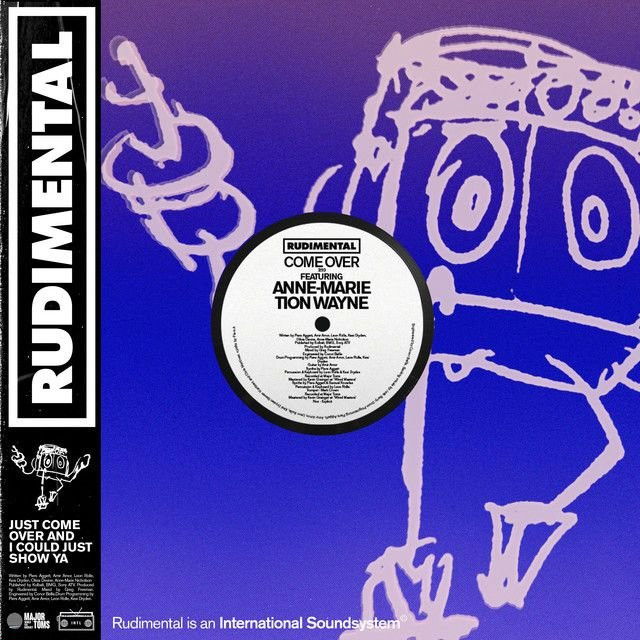
Come Over by Rudimental, Anne-Marie, Tion Wayne
They turn a breakup apology into a dance-floor invitation. This guide unpacks the meaning of Come Over Rudimental, Anne-Marie, Tion Wayne and explains how the song’s feel-good pulse carries a bittersweet story.
"Come Over" - Rudimental ft. Anne-Marie, Tion Wayne
And I can just show ya
Let me do-over
Loading lyrics...
Unable to load lyrics
We're unable to display the lyrics at this time. Please try again later.
The Heart Behind the Hook
At its core, Come Over is about regret and the hope for a second chance. The narrator admits they didn’t show up in the relationship and now see the cost. The chorus keeps asking directly—You should just come over
—and pairs it with a wish to let me do-over
.
Interpretation: the hook sounds casual, even flirty, but it hides a serious promise to change. The cheerful tone softens the plea, making vulnerability feel brave instead of desperate.

Watch the official Come Over
music video
Voices in Tension: Two Sides of a Breakup
Anne‑Marie’s verses play the honest confessor. She admits, I got regrets
, and vows she’d treat the partner better now—I would hold you closer
. Her delivery is warm and direct, like a face-to-face apology.
Then Tion Wayne arrives as the counterweight. He brings swagger and distance, flashing success and a forward-looking mindset. His verse cools the heat of reunion with a hard line: it might be too late. This tension between longing and closure is the song’s dramatic engine.
A Simple Timeline of the Story
- Realization: The speaker sees the ex thriving without them and owns their mistakes.
- Promise: They insist they’ve grown—older, bolder, more respectful.
- Invitation: The repeated chorus asks for a meeting to reset—come over, talk, try again.
- Pushback: The rap verse suggests the other person has moved on, or at least set boundaries.
- Open ending: The chorus returns, but the answer remains unclear—hope stays, certainty doesn’t.
Why the Chorus Sticks
The hook compresses the whole story into two short moves: an ask and a fix. You should just come over
lowers the barrier to contact, while let me do-over
raises the stakes with accountability. Interpretation: it’s a smart contrast—simple action meets deep change—so the chorus feels catchy and sincere at once.
Symbols and Motifs That Matter
- Do-over: The word “do-over” is the song’s thesis—ownership plus a new start.
- Time and growth: Lines about being older and bolder mark real development, not empty talk.
- Chance and risk:
My love's like roulette
frames romance as luck and courage, not guarantees. - Status markers: Cars, luxury food, and summer flexes signal life after heartbreak. Interpretation: they hint at coping and distraction, but also independence; moving on can look glamorous even when it’s complicated inside.
The Sound of Second Chances
Rudimental set the apology to a bright, kinetic groove. The track leans on a 2‑step/garage swing with crisp snares and a sunny, major-key top line. Keys and light synths keep the texture airy, while the bass adds warmth without dragging the tempo.
Anne‑Marie’s voice sits upfront in the mix, giving intimacy to the confession. Stacked harmonies make the hook feel communal, as if friends are cheering on the promise to change. When Tion Wayne enters, the beat thickens slightly and the flow sharpens, signaling a new perspective without breaking the dance momentum.
Interpretation: the upbeat production says, “We can fix this,” even when the lyrics admit fault. It’s musical optimism—regret you can move to.
Alternate Ways to Hear the Story
- Reconciliation anthem: The song is a straightforward plea for another chance, framed by growth and clear promises.
- Boundary-setting twist: The rap verse underscores that not everyone wants to rewind; healing can mean saying no.
- Self-talk angle: Interpretation—“come over” could be the narrator speaking to their past self, inviting a better version back into the present.
Why It Resonates Now
For U.S. listeners, the blend of UK garage bounce with pop melody makes the track familiar yet fresh. The emotional stakes are simple and universal: admit the hurt, show the growth, ask for time together. That tension—between nostalgia and new rules—keeps the replay value high.
Final Takeaway
Come Over captures the awkward, hopeful space between breakup and reunion. They pair an open-door invite with real accountability, then let another voice question whether it’s wise. That push-pull—heart versus boundary—is the true pulse behind the party.
Disclaimer: Song meanings are subjective. This interpretation draws on the lyrics, performance, and production choices, not any single definitive statement by the artists.









